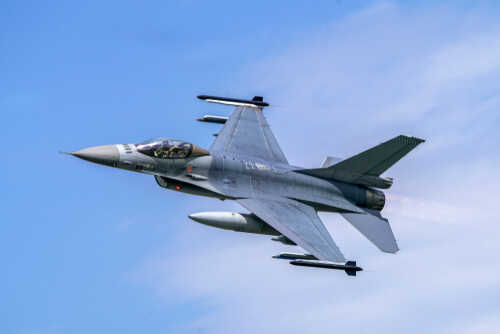
Chinese fighter jets locked fire control radar on Japanese F-15s over international waters, marking one of the most dangerous escalations in the region that directly threatens America’s key Pacific ally.
Story Highlights
- Chinese J-15 fighters targeted Japanese F-15s with fire control radar on December 6th over international waters
- Radar lock signals potential attack preparation, representing extreme military escalation beyond normal operations
- Japan summoned China’s ambassador and launched formal protests demanding prevention of future incidents
- Incident occurred southeast of Okinawa, near critical U.S. military installations and strategic shipping lanes
Dangerous Escalation Over International Waters
Japan’s Defense Ministry reported that two Chinese J-15 fighter jets directed fire control radar at Japanese F-15 warplanes on December 6th over international waters southeast of Okinawa. The radar lock forced Japanese pilots to take immediate evasive action to avoid potential conflict. Fire control radar targeting represents one of the most escalatory actions an aircraft can take, signaling preparation for attack rather than serving as a mere warning or deterrent measure.
Beijing’s Reckless Military Aggression
Tokyo condemned the Chinese actions as dangerous and far exceeding what constitutes necessary procedures for safe flight operations. The incident demonstrates China’s willingness to endanger pilots and dramatically increase risks of military miscalculation in one of the world’s most strategically important regions. Such provocative behavior threatens not only Japanese sovereignty but also challenges the broader security framework that protects democratic allies throughout the Pacific theater.
Watch: https://youtu.be/PJ-WgjP7-3M?si=tjkdvbe7LLNAWjFD
Japan Demands Accountability From China
Japanese officials summoned China’s ambassador and launched strong diplomatic protests demanding immediate steps to prevent similar incidents. Prime Minister Takai stated Japan would respond “calmly and resolutely” to this dangerous provocation while emphasizing the extremely regrettable nature of China’s actions. Tokyo’s measured but firm response reflects the serious threat posed by Beijing’s increasingly aggressive military posture toward democratic nations in the region.
Strategic Implications for Pacific Security
The incident occurred in waters critical to both Japanese defense and broader Pacific security architecture supporting American interests. China’s willingness to engage in such dangerous provocations near Okinawa, home to major U.S. military installations, demonstrates Beijing’s escalating challenge to the established order that has maintained regional stability for decades. This aggressive behavior pattern threatens the security framework protecting democratic allies and vital shipping lanes essential to global commerce.
Sources:
https://www.dw.com/en/japan-says-china-directed-fire-control-radar-at-its-aircraft/a-75049156