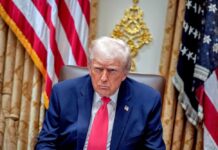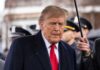
President Trump’s new policy could make social media inspections mandatory for tourists, sparking debates over privacy and security.
Story Highlights
- The Trump administration aims to make social media checks mandatory for foreign tourists.
- Visitors must disclose five years of social media history, expanding existing security measures.
- This proposal is part of Trump’s broader push for “maximum” vetting of visitors.
- Critics warn of potential impacts on tourism and privacy rights.
Mandatory Social Media Checks for Tourists
The Trump administration has proposed a policy requiring foreign tourists to disclose their social media history from the past five years. This proposal is part of the broader “maximum” vetting initiative, aiming to enhance security measures for visitors entering the United States. The policy targets travelers from approximately 40 countries participating in the Visa Waiver Program, necessitating additional personal and biometric data collection.
Critics argue that these measures could deter tourists and business travelers, contributing to a decline in foreign visitors and potential economic consequences. Industry experts project a $12.5 billion loss in travel revenue for 2025, raising concerns about the impact of such stringent security requirements on the tourism sector.
Watch: https://www.youtube.com/watch?v=jFfMmzDSY8Y
Potential Security Implications and Concerns
The Department of Homeland Security and U.S. Customs and Border Protection justify the proposal as a necessary step to screen out potential security threats. By collecting extensive social media data, authorities aim to better assess risks associated with foreign visitors. However, civil liberties groups caution that this could infringe on privacy rights and chill free speech among prospective travelers.
There is also apprehension that mandatory social media disclosure could lead to viewpoint-based retaliation or ideological policing, as critics fear that individuals may self-censor online content to avoid adverse scrutiny by U.S. authorities. This aspect of the policy raises significant concerns about its implications for freedom of expression.
Trump ramps up tourist checks with plans for mandatory social media inspections | The Independent https://t.co/HqcL0i2HYd
— Bill Niven (@LegaciesofPast) December 10, 2025
Trump’s Stance and Future Prospects
In response to concerns about tourism and economic impacts, President Trump has emphasized that security remains the top priority, even if it means a potential decrease in foreign visitors. He has dismissed worries about tourism, reiterating that the focus is on keeping “the wrong people” out of the country.
As the proposal undergoes a 60-day public comment period, stakeholders from various sectors, including tourism, civil rights, and international relations, are expected to weigh in on its implications. While the final implementation of these measures remains uncertain, the debate highlights the ongoing tension between national security priorities and individual privacy rights.
Sources:
US plans to start checking all tourists’ social media
US plans to introduce mandatory social media checks for visa-free travelers