
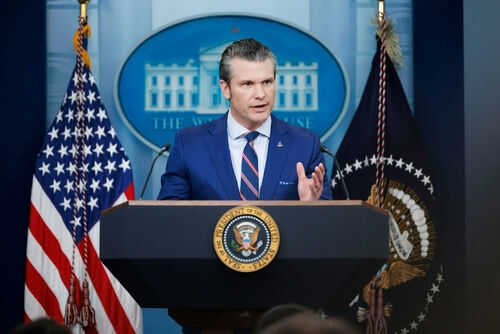
Even Fox News refused to sign Pete Hegseth’s new Pentagon media rules—an unusually public warning that Washington’s power struggles are now colliding with basic questions about oversight, accountability, and the public’s right to know.
Quick Take
- The Pentagon issued new media rules requiring pre-approval for releasing certain unclassified information, with press access threatened for outlets that refuse.
- Multiple major outlets—including Fox News—declined the terms by the deadline, leaving the policy’s practical impact and legality under fresh scrutiny.
- Congressional oversight is intensifying over reported U.S. “boat strikes” off Venezuela, with lawmakers demanding records and testimony.
- Hegseth is also escalating the culture fight inside the defense establishment, including ending military-education ties with Harvard.
Pentagon Press Rules Trigger Rare Pushback—Including From Fox
The Pentagon’s new press-access policy has become a flashpoint because it ties credentials to compliance with rules that reportedly require pre-approval before publishing some kinds of unclassified information. Several outlets refused to sign on by the deadline, including Fox News—Hegseth’s former employer—along with other major national organizations. President Trump and Hegseth defended the policy as a commonsense security measure, while critics framed it as a press-freedom problem.
The practical effect of the standoff is straightforward: fewer reporters with meaningful access means fewer independent eyes on the world’s largest defense bureaucracy. Conservatives have long argued that legacy media often operates like an opposition party, and nothing in the reporting requires readers to pretend otherwise. But press restrictions also cut against a core limited-government principle—sunlight as a check on power—especially when rules appear to cover unclassified information rather than tightly protected secrets.
Boat-Strike Questions Put the Spotlight on Rules of Engagement and Oversight
Separate from the media fight, Hegseth faces a growing congressional focus on reported boat strikes near Venezuela. According to reporting, lawmakers are seeking records and clarity about an initial strike on an alleged drug-running vessel and a reported follow-on strike affecting people in the water. Some Democrats have used the most extreme language, including calls for resignation. At the same time, key facts remain contested publicly pending records and testimony.
The politics here are complicated for Republicans: national security demands decisive action against transnational crime, but constitutional government requires oversight when force is used. Reporting indicates the Pentagon’s inspector general delivered a report to Congress related to “Signalgate,” involving the use of Signal for strike discussions, and that testimony from senior military leadership is expected. Until Congress reviews evidence like communications and video, firm public conclusions about legality are difficult to justify.
“Meet the Standard” Messaging Meets Washington’s Demand for Proof
Hegseth has built his brand around standards—discipline, “warrior culture,” and the idea that institutions should stop bending to elite excuses. That message resonates with voters tired of woke training priorities, bureaucracy, and the sense that failure never has consequences. But the same “meet the standard” posture raises expectations when controversies hit: critics and lawmakers alike now insist the Pentagon provide documentation, timelines, and answers rather than slogans or social-media-style dismissals.
Harvard Split and Pentagon Prayer Event Signal a Broader Culture Shift
The Pentagon is also moving on cultural and institutional fronts, including ending military-education ties with Harvard for the 2026–27 cycle amid the broader Trump-era feud with the university. Hegseth’s public argument, as reported, is that the military should train “warriors” rather than accommodate ideological activism. In a separate development, he invited an Idaho pastor described as a “Christian nationalist” to lead a monthly Pentagon prayer meeting, drawing predictable backlash.
These moves are popular with conservatives who watched prior administrations cater to elite institutions, DEI bureaucracies, and political correctness that often punished traditional beliefs. The tension is that high-visibility cultural fights can crowd out operational questions—like rules of engagement, chain-of-command discipline, and congressional reporting requirements. If the Pentagon is going to demand strict compliance from everyone else—press, officers, institutions—lawmakers will demand equally strict transparency when controversies emerge.
Limited public details in the available reporting make it hard to judge how the press rules will be enforced day to day, or what specific language outlets were asked to accept. What is clear is the collision of priorities: operational security, constitutional checks and balances, and public trust. The next decisive moments will come from testimony, inspector general findings, and whether the administration narrows the policy to protect secrets without appearing to punish independent reporting.
Sources:
Fox News declines Pentagon press restrictions
Pete Hegseth faces deepening scrutiny from Congress over boat strikes