

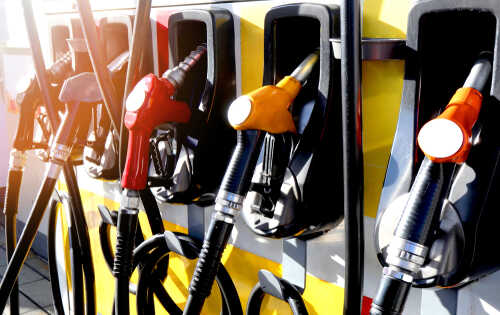
Cyber attackers have quietly slipped into gas-station tank systems across America, exposing just how fragile our fuel lifeline has become while officials whisper about Tehran and leave everyday drivers in the dark.
Story Snapshot
- Researchers say thousands of fuel-tank monitors at U.S. gas stations were left exposed online, allowing remote manipulation or shutdowns.
- Officials now hint that Tehran may be behind a new wave of intrusions, but the public record shows almost no transparent proof of who is responsible.
- Security labs have documented critical flaws that could let hackers fake fuel levels, disable alarms, and even force stations to halt service.
- Gas-station systems remain a soft target, underscoring why a secure, energy-independent America cannot rely on weak networks and secretive bureaucrats.
Exposed Tank Systems Turn Everyday Gas Stations into Strategic Targets
Security researchers warned years ago that automatic tank gauges, the electronic systems that track fuel levels and detect leaks under most gas stations, were hanging wide open on the public internet with no passwords at thousands of locations across the United States.[3] By scanning for a common network port, analysts found roughly 5,800 of these tank gauges exposed, including over 5,300 on American soil.[1][3] Those devices sat on live equipment, not in laboratories, meaning real-world stations could be touched from anywhere on the globe.
Technical reviews explained that anyone who reached the serial control interface on these gauges could do far more than just snoop on fuel readings.[1] Researchers showed that an intruder could spoof fuel levels, trigger bogus alarms, or reset systems in ways that could force stations to shut down operations as a precaution.[1][3] Follow‑on work from multiple firms continued to find internet-exposed gauges years later, confirming that the danger was not a one‑time oversight but an ongoing pattern of neglect across parts of the fuel industry.[2]
From “Theoretical” Risk to Confirmed Critical Vulnerabilities
Initial reporting used words like “theoretically” and “could” when describing the possibility of shutting down more than 5,000 fueling stations through remote attacks on their tank systems.[1][3][4] That cautious language reflected the gap between what was technically possible and what had been caught in the wild. However, more recent investigations have gone further, documenting multiple critical, previously unknown flaws across six tank-gauge product lines from five different vendors, all of which are deployed at real facilities.
Those newer disclosures detail how hackers could disable alarms, change tank thresholds, and alter configuration settings, opening the door to disruptive or even destructive outcomes if the wrong country or criminal crew decided to pull the trigger.[5] Analysts warn that similar tank systems also appear in hospitals, airports, and other critical locations that rely on steady fuel supplies.[5] In plain terms, the same kind of software sloppiness Americans associate with mobile apps has quietly crept into infrastructure that moves gasoline, diesel, and jet fuel—turning “theoretical” into “ready‑to‑use” for anyone with skill and bad intentions.
Tehran Suspicions Collide with Thin Public Evidence
Against this backdrop, unnamed officials now suggest Tehran may sit behind a fresh breach of American gas‑station tank readers, raising the specter of a hostile regime probing our fuel network. The technical history makes such a campaign plausible: exposed gauges, weak passwords, and known flaws mean foreign intelligence services would not need cutting‑edge tools to cause chaos. Yet the open record still stops short of naming any Iranian group, command‑and‑control servers, or malware tied directly to these incidents.[1][3]
What we do have is a decade of warnings about exposed systems, a stack of vulnerability reports, and vendors insisting that customers have not reported confirmed unauthorized access on their gauges.[1] That reassurance clashes with alarmed whispers about foreign hands on the controls, but it also highlights a deeper problem: Americans are being asked to accept national‑security narratives without seeing the hard evidence. For citizens who remember years of politicized intelligence leaks and selective briefings, that is a familiar and troubling pattern.
Why Weak Cyber Defenses Undermine Energy Security and Everyday Life
Fuel networks are not just another corporate asset; they are lifelines for commuting workers, truckers hauling groceries, and families trying to visit aging parents. Prior research has already shown how cyberattacks on pipelines can trigger fuel shortages and panicked runs on gas stations across multiple states, even when attackers never fully seize physical control.[4] When automatic tank gauges at thousands of stations can be reconfigured from overseas, the same kind of cascading disruption becomes frighteningly easy to imagine.
For a conservative audience that values self‑reliance and strong national defense, this situation exposes two failures at once. First, private operators and vendors allowed vital equipment to sit naked on the internet for years, despite repeated warnings from independent researchers.[1][3] Second, government watchdogs produced reports and task forces but never forced decisive cleanup across the sector, even after discovering flaws that could shut pumps, fake leaks, or threaten safety.[5] Washington found time for woke grant programs and climate virtue‑signaling, yet basic cyber hygiene at the nation’s fuel stops remained optional.
What Needs to Happen Next to Protect Drivers and the Grid
The Trump administration now has both the responsibility and the mandate from voters to end this complacency. That starts with compelling vendors and gas retailers to lock down tank gauges, remove them from direct internet exposure, and patch known weaknesses—no more excuses about cost or convenience when the stakes involve supply chains and public safety. It also means demanding transparent attribution from agencies before they float claims about Tehran or any other foreign adversary, backed by evidence that can be shared with Congress and, whenever possible, with the American people.
Real security respects both the Constitution and common sense. It rejects secret narratives used to justify new surveillance powers while quietly tolerating sloppy engineering on critical systems. Citizens should insist that federal regulators focus on defending tangible infrastructure—pipelines, refineries, tank gauges, and pumps—rather than expanding bureaucratic control over law‑abiding Americans. Energy independence and a strong, resilient fuel network are not partisan luxuries; they are the foundation of the free, prosperous country conservatives are fighting to preserve.
Sources:
[1] Web – US Gas Stations Exposed to Cyberattacks: Researchers
[2] Web – Unknown hackers hit Gas Pump Monitoring Systems in the US
[3] Web – The Internet of Gas Station Tank Gauges | Rapid7 Blog
[4] Web – A Theoretically Devastating Cyber Attack on America’s Gas Stations
[5] Web – Critical Flaws in Tank Gauge Systems Expose Gas Stations to …