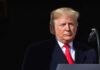


A sitting senator urged “signature cases” to scare young Americans away from serving President Trump’s administration.
Story Snapshot
- Sen. Elissa Slotkin said prosecutions should deter college grads from Trump administration jobs.
- She argued aides lack presidential immunity and should face accountability for “enabling” misconduct.
- Reports tie her view to her own recent investigation that ended without an indictment.
- Critics warn this blurs law enforcement with partisan intimidation of conservatives.
What Slotkin Said On Campus About “Deterrence”
At a University of Chicago Institute of Politics event on October 14, 2026, Sen. Elissa Slotkin described pursuing “signature cases” not only against President Trump, but also against “people who enabled him.” She said she wants young people leaving college to ask if a Trump job would mean “a ton of problems,” and stated, “I want that deterrence message.” Multiple outlets quoted these remarks and framed them as a plan to scare conservatives away from public service.
Slotkin linked her goal to a legal theory that staff and appointees lack the president’s protections. She said aides “have no such immunity the way the president does,” implying prosecutors should target subordinates who carry out unlawful orders. Supreme Court precedent supports the general point that presidential aides do not have blanket, absolute immunity; instead, any immunity is limited and functional, not categorical. That legal context, however, does not identify specific crimes by unnamed future hires.
Why This Alarmed Conservatives
Breitbart and other outlets highlighted Slotkin’s words as proof that deterrence—using prosecutions to chill service under Trump—is a stated goal, not a side effect. The Gateway Pundit called the approach “actual fascism,” arguing that the message targets young conservatives for punishment based on politics, not proof of crimes. This reaction reflects a core concern: law should punish unlawful acts, not lawful association, policy work, or everyday service in a duly elected administration.
Critics also note Slotkin did not cite specific statutes, acts, or defendants in her remarks. The references to “enablers” and “doing his bidding” are broad and undefined, which makes the line between crime and normal policy work unclear in her framing. That vagueness invites abuse. Clear laws and due process protect citizens from partisan prosecution. When senior officials talk about “signature cases” to send a political warning, they risk turning justice into a weapon rather than a shield.
Her Own Investigation And What It Shows
The New York Times reported in January 2026 that prosecutors were investigating Slotkin and other Democrats over a video about refusing illegal orders, after Trump officials called the conduct “seditious”. A federal grand jury did not indict her, as she later announced in a February 11, 2026 statement. That outcome underlines two truths: investigations can create serious pain without charges, and public claims can outrun the law. It also shows why deterrence talk is dangerous when evidence is uncertain.
Slotkin has long said people can and should refuse unlawful orders. In a November 2025 interview, she told service members they can say no to illegal commands and should consult legal officers. That principle is correct. No American must carry out an illegal act. But it differs from a plan to prosecute broadly to send a message. Lawful public service—answering phones, drafting policy memos, managing grants—cannot be treated as crime by association.
Legal Boundaries And The Risk To Civic Service
Constitutional doctrine draws a line between the president and aides, and it rejects blanket immunity for staff. The Supreme Court in Harlow v. Fitzgerald held that aides do not enjoy absolute protection and must rely on limited, qualified defenses tied to their roles. That guardrail does not license prosecutors to target staff for politics. It calls for fact-specific proof of a real crime—clear acts, clear intent, and clear law—tested in court, not in a campus auditorium.
I'm warning you. Donald Trump is going to put ICE agents at polling stations this November!"
Elissa Slotkin…….
— Stella (@ItsStella_4) October 17, 2026
President Trump leads the executive branch today, and his team must be able to hire talent without fear of partisan retribution. Young Americans should not be told that serving their country could “buy” them “a ton of problems” because of who won an election. If a staffer breaks the law, charge the crime and prove it. If not, respect the vote and the Constitution. We need fair laws, not fear campaigns—justice that is blind, not a tool to scare our kids away from service.
Sources:
thegatewaypundit.com, breitbart.com, us.headtopics.com, nytimes.com, abcnews.com, slotkin.senate.gov