Germany’s green‑driven industrial model is cracking so badly that Volkswagen now plans the biggest factory and job cuts in auto history, and American drivers need to pay attention.
Story Snapshot
- Volkswagen’s CEO is weighing up to 100,000 job cuts and four plant closures in Germany, the largest restructuring the auto industry has ever seen.
- The plan would scrap roughly 15% of VW’s global workforce and spin off the core VW brand and parts operations into new entities.
- VW’s own spokesperson admits the old model of building cars in Europe and exporting worldwide “no longer works” for many brands.
- German unions and politicians are trying to block the plan, highlighting how high‑cost energy, heavy regulation, and EU tariffs helped push VW into crisis.
Volkswagen’s Shock Plan: 100,000 Jobs On The Line
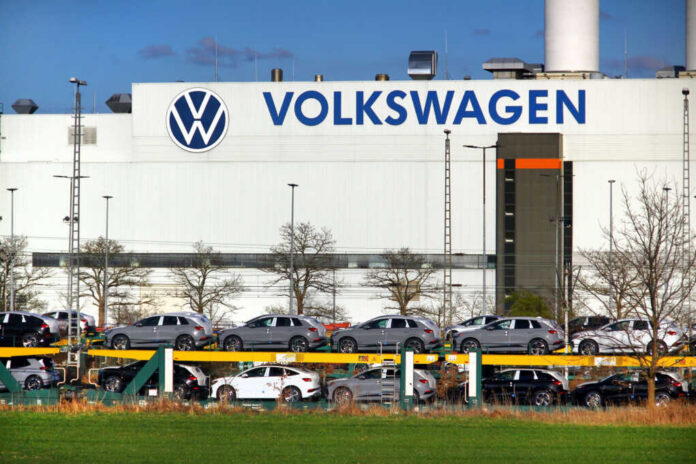
Volkswagen Group Chief Executive Officer Oliver Blume has quietly put a radical plan on the table: cut up to 100,000 jobs worldwide and shut four major German plants over the next few years. Reports say this would touch Emden, Zwickau, Hanover, and Audi’s Neckarsulm factory, together holding more than 45,000 workers. If carried out, this would erase about 15 percent of Volkswagen’s global workforce and become the biggest single industrial job‑cut program ever attempted in the auto sector.
Manager Magazin and other outlets report that Blume has already presented this restructuring blueprint to senior executives, with Volkswagen’s supervisory board scheduled to debate it formally. A LinkedIn summary of the plan notes that core VW brand production and parts operations would be spun off into separate companies, part of a wider effort to slice about 11 billion euros from costs by 2030. The company would also trim planned investments by around 15 percent to just over 130 billion euros in the next five years.
How Green Policy And Globalism Broke A German Giant
Volkswagen’s crisis did not appear overnight; it is the product of years of high energy costs, aggressive climate rules, and trade policies that favored foreign competitors. European commentary links VW’s planned cuts directly to Germany’s “disastrous environmental policy and the energy transition,” which have driven power prices up and weakened industry. At the same time, Chinese carmakers now dominate nearly 70 percent of China’s electrified vehicle market, putting deep pressure on VW’s sales and margins in what used to be a key growth region.
On top of that, European Union tariffs on fully electric vehicles were supposed to protect local brands but instead pushed more Chinese hybrids into Europe, keeping pressure on VW while doing little to fix the imbalance. The United States has also raised tariffs that make it harder for VW to ship cars into the American market at competitive prices. CEO Blume has warned that “trade policy barriers, completely transformed markets, and varying regulatory systems” mean the business model that held up Volkswagen for decades is “no longer viable.” In plain terms, the old globalist dream of building expensive cars in Germany and selling them everywhere is breaking down.
Unions, Politicians, And The German State Push Back
German leaders are not taking this plan quietly. Volkswagen signed a binding deal with unions in late 2024 that promised no German factory closures and no forced layoffs until the end of 2030. Now, union IG Metall and the VW General Works Council say they will fight the new proposal “with all our might,” setting up a direct clash between labor guarantees and hard economic math. These unions have real power inside Volkswagen’s governance structure and can slow or block drastic steps.
Berlin’s political class is also on edge. A government spokesperson for Chancellor Friedrich Merz said the federal goal is “to preserve the locations of the German manufacturers and to guarantee jobs,” which pushes back against the closure plan. Supervisory board member Olaf Lies has warned against “simplistic measures like cuts and closures” and insists VW must stay competitive without killing off factories. Local budgets in regions like Lower Saxony rely on Volkswagen tax revenue, so politicians have every reason to resist mass layoffs, even as profits fall.
What It Means For American Drivers And Conservative Values
For American readers, Volkswagen’s turmoil is a warning about where unchecked climate policy, expensive power, and soft trade rules can lead. When governments chase green goals without protecting industry, companies face rising costs, shrinking margins, and pressure to cut middle‑class jobs. VW is now trying to survive by slashing workers while still answering to unions, regulators, and global investors. That is exactly the kind of squeeze many conservatives fear when Washington talks about new mandates and electric‑only targets.
Volkswagen CEO Oliver Blume faces perhaps the biggest test of his leadership this week: persuading the German carmaker's supervisory board to accept painful job cuts and factory closures as it struggles to fend off Chinese rivals. https://t.co/YuqRdIQxtJ
— Reuters Legal (@ReutersLegal) July 6, 2026
Volkswagen’s model also shows the danger of letting foreign rivals, especially Chinese state‑backed firms, take over key markets. As Chinese brands gain share, European plants go dark and Western workers pay the price. In the United States, a strong manufacturing base, reasonable energy costs, and smart tariffs can protect jobs and keep cars affordable. The Trump administration’s push for fair trade and cheaper American energy stands in sharp contrast to the path that helped bring Volkswagen to this “generational overhaul.”
Sources:
reason.com, hrexecutive.com, reuters.com, facebook.com, cnbc.com, youtube.com