A string of bodies turning up in Houston’s bayous is colliding with social-media conspiracy frenzy, leaving ordinary citizens feeling unprotected while officials insist there is “nothing to see here.”
Story Snapshot
- A fourth body in roughly two weeks was pulled from Houston’s bayous, intensifying fears of a “bayou serial killer.”
- Police, the district attorney, and the mayor all reject the serial killer theory, blaming drownings, homelessness, and addiction.
- Roughly 200 bodies have been recovered from area bayous since 2017, with dozens of 2025 deaths still classified as “undetermined.”
- The clash between online sleuths and city officials exposes deeper failures in public safety, mental health, and transparent governance.
Fourth Body in Two Weeks Deepens Unease in Houston
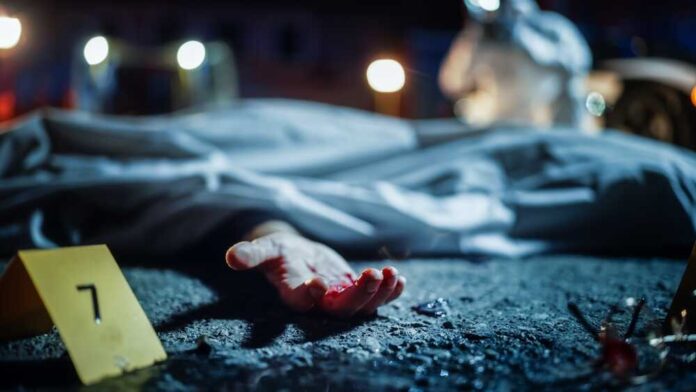
On January 6, 2026, a maintenance crew working along Buffalo Bayou in downtown Houston spotted a clothed body in the water near Commerce and Fannin/Main, triggering yet another grim recovery in a city that has grown used to these scenes. Authorities say the corpse, described by some outlets as a man in a gray jacket, marks the first bayou body of 2026 but the fourth pulled from Houston waterways in about fifteen days, following three late-December recoveries.
Houston police and fire crews responded quickly, closed a section of the popular trail, and turned the case over to the Harris County Institute of Forensic Sciences for identification and autopsy. Officials have not yet confirmed the victim’s identity, cause of death, or whether foul play is suspected. Homicide detectives were called in, which is standard protocol, but investigators have publicly avoided suggesting any connection among the recent cases beyond timing and location.
Watch: https://www.youtube.com/watch?v=lFI6SMaLiFY
Long Pattern of Bodies, Few Clear Answers
The latest discovery lands on top of a disturbing long-term pattern that many residents believe has been downplayed. Since 2017, about two hundred bodies have been found in Houston-area bayous, with nearly sixty in Buffalo Bayou alone. Local reporting says roughly thirty to thirty-four bodies were recovered from water in 2025 and about thirty-five in 2024, numbers that might not shock statisticians but feel alarming when clustered into short stretches like the recent two-week span. The medical examiner’s data indicate most classified deaths involve drownings or violence, yet by early December 2025 at least sixty-eight cases remained “undetermined,” meaning there was not enough evidence to rule on cause or manner.
Officials Reject Serial Killer Theory, Cite Social Crises
Harris County District Attorney Sean Teare has tried to slam the door on serial killer rumors, stating there is nothing in the evidence to indicate a murderer stalking the bayous. Instead, he points to overlapping crises: homelessness, untreated mental illness, and addiction pushing people into risky situations around dark, fast-moving water. Houston’s mayor, John Whitmire, echoes that view, arguing drownings have “always been an issue” in a city built around flood-control channels and often-treacherous weather. Police leadership likewise insists there is no pattern of linked homicides, yet their messaging has struggled to calm an anxious public conditioned by years of rising urban disorder elsewhere.
Social Media Fuels “Bayou Serial Killer” Narrative
True-crime culture and algorithm-driven feeds have turned Houston’s bayous into a national ghost story. TikTok and YouTube channels track each new body, overlay maps, and speculate freely about a “Bayou serial killer,” even as local data undercut that narrative. Videos about the case now appear in the feeds of people far beyond Texas, amplifying fear and outrage. Some out-of-state visitors told reporters they had heard more from social media than from official briefings before ever setting foot in Houston. This online wave creates real pressure on law enforcement and city hall. When investigations move slowly and final rulings linger in the “undetermined” column, a communication vacuum opens, and conspiracy fills the gap.
Safety, Accountability, and the Road Ahead
Behind the headlines, the victims in these cases are often among society’s most vulnerable: the homeless, the mentally ill, the addicted, people already failed by broken systems. Their deaths expose wider policy choices about policing, prosecution, and urban management. District attorneys who frame these tragedies primarily as public health issues are not wrong about the role of addiction and mental illness, but that framing can also sound like an excuse for years of weak enforcement that left dangerous corridors essentially unsupervised.
Looking forward, Houston officials are weighing more lighting, fencing, cameras, and patrols along bayou trails, along with expanded outreach to people living on the streets.
Sources:
Body reportedly spotted in Buffalo Bayou, marking first case of 2026
Body found in Buffalo Bayou marks Houston’s first recovery of 2026
Body found in Houston’s Buffalo Bayou
Body found in Buffalo Bayou shuts down downtown Houston trail