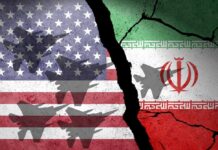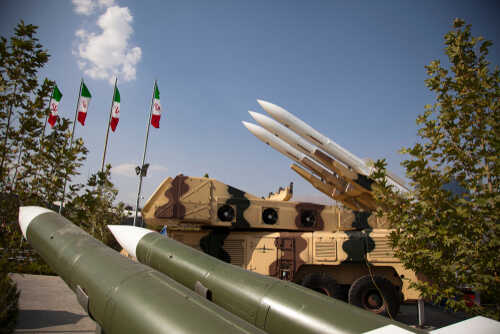
America’s massive military might in Iran risks morphing into another endless Vietnam quagmire, draining resources and betraying the promise of swift victory.
Story Highlights
- US strike on February 28, 2026, expected quick win but triggered Iranian asymmetric counterattacks lasting over six weeks.
- Military costs topped $11.3 billion in first week alone, with precision weapons stockpiles depleting rapidly.
- Trump claims Iran’s forces obliterated yet deploys 5,000 more troops, considering ground invasion amid Vietnam warnings.
- Energy prices surge at home, eroding public support and exposing limits of endless foreign wars.
Escalation from Surprise Strike
The United States launched a surprise military strike against Iran on February 28, 2026, anticipating rapid dominance. Iran countered with firm resolve and effective asymmetric tactics, echoing Vietnam’s horizontal escalation strategy. Over six weeks, the conflict drew in regional nations, destabilizing Middle East stability. Global energy markets turned volatile, hitting American families with higher gasoline prices. This shift from expected triumph to attrition exposes how superior firepower fails against determined foes.
Mounting Military and Economic Toll
US expenditures exceeded $11.3 billion in the conflict’s first week. Precision-guided missiles and interceptors deplete fast, forcing redeployments from other regions. The Trump administration claims Iran’s army, navy, and air force stand obliterated after bombing Karak Island, Iran’s economic hub. Yet simultaneous deployment of 5,000 additional service members signals no end in sight. These contradictions highlight a military giant strained by prolonged engagement, mirroring Vietnam’s resource drain.
Domestic Frustrations Echo Across Divides
Americans on both sides tire of federal overreach that prioritizes foreign adventures over homefront needs. Conservatives decry wasted billions amid high energy costs, while liberals lament alliance strains and inequality gaps. Rising pump prices and production costs compound inflation woes from past mismanagement. Political polarization deepens as the war diverts focus from the American Dream. Both camps see elites pursuing power at citizens’ expense, fueling distrust in Washington.
Warnings of Vietnam Repeat
Iranian Deputy Foreign Minister Saeed Khatibzadeh warned ground troops would repeat 1970s failures, invoking Vietnam directly. European allies criticize the strikes for lacking UN approval, violating international law. Analysts note Iran’s shift to total offensive, creating US strategic passivity despite tactical gains. No clear exit strategy exists, risking hegemonic decline and alliance erosion. This quagmire threatens Trump’s domestic agenda, aggravating internal divisions in a polarized nation.
Iran Could Be America’s Next Vietnam – The Atlantic https://t.co/Xs0vNBfedc
— Amandasatiro (@Amandasatiro07) April 11, 2026
Strategic Lessons Ignored
Vietnam proved technology trumps no political will against resilient adversaries. Iran’s cost-effective tactics draw parallels, turning US strength into vulnerability. Domestic trauma looms if escalation continues, weakening national resolve. Americans demand leaders prioritize sovereignty, limited government, and citizen prosperity over elite-driven wars. History urges swift de-escalation to preserve resources for true threats at home.
Sources:
Will Iran become another ‘Vietnam’ for the US? – Global Times
The Iranian Quagmire: Toward A New ‘Vietnam Syndrome’ For The United States – Eurasia Review
Iran in the Shadow of Vietnam: How Trump’s Excursion Leads to a Quagmire – Washington Spectator