

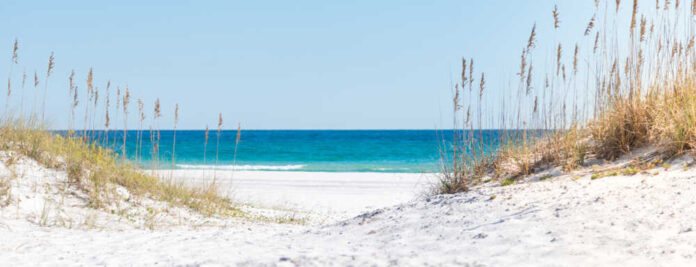
Holmes Beach has drawn a line in the sand, and it’s not a shallow one—digging deep holes on this beloved Florida shore is now officially off-limits.
At a Glance
- Holmes Beach has passed an ordinance banning holes deeper than one foot.
- The rule aims to prevent tragic accidents and protect endangered sea turtles.
- Manatee County and other Florida areas have similar regulations.
- Tourists and locals must adapt to new beach safety measures.
Holmes Beach Implements New Safety Ordinance
Holmes Beach, a picturesque spot on Anna Maria Island, recently enacted Ordinance No. 25-09, banning holes deeper than one foot and the use of metal shovels on its public beaches. This decision follows a tragic incident in 2024 when a young girl lost her life after being trapped in a sand hole. Holmes Beach officials have reported numerous near-misses, emphasizing the urgent need for such measures to ensure the safety of beachgoers.
Popular vacation spot bans 'gigantic holes' in sand after near-tragedy https://t.co/XedoN1FmMQ
— Fox News (@FoxNews) July 16, 2025
The ordinance also aims to protect the local wildlife, particularly sea turtles that nest on these shores. Large, uncovered holes pose significant risks to these endangered creatures, potentially trapping them during nesting season. This rule reflects a growing trend among Florida’s coastal communities to address the hazards posed by deep holes left by beachgoers.
Community and Tourist Reactions
The new ordinance has received mixed reactions from the Holmes Beach community. Local residents largely support the rule, citing safety and environmental concerns. However, some tourists and families accustomed to digging large holes as part of their beach activities express frustration, viewing the rule as an inconvenience. Beachgoers are now urged to use children’s toy and plastic shovels, ensuring that any holes dug do not exceed the one-foot depth limit.
Commissioner Carol Whitmore, a vocal advocate for the ordinance, has stressed the importance of compliance, noting the repeated incidents and noncompliance that led to its necessity. “People aren’t listening,” she remarked, highlighting the need for the community to prioritize safety for all, including those who may arrive after holes are left uncovered.
Watch: New rules at the beach to prevent huge holes in the sand
Impact on Wildlife and Environment
This ordinance is a significant step forward in protecting the environment and wildlife of Holmes Beach. Sea turtles, which are especially vulnerable during nesting season, will benefit from fewer obstacles on the beaches. This regulation aligns with recommendations from wildlife experts and the National Ocean Service, who advocate filling in holes to safeguard these endangered species and their hatchlings.
In the long term, the ordinance is expected to foster a cultural shift in beach behavior, with increased awareness of environmental and safety concerns. Similar measures are being considered in neighboring areas like the city of Anna Maria, highlighting a regional commitment to protecting both people and nature from the hazards of deep sand holes.
Looking Ahead
As Holmes Beach moves forward with its new regulations, the focus will be on education and compliance. Signs are being placed on the beaches to inform visitors of the rules, and local officials are working to ensure that the message is clear. While some pushback is expected from tourists, the overall goal is to enhance the safety and reputation of Holmes Beach as a family-friendly destination.
The tourism industry might face minor challenges as visitors adjust to the new norms, but the community stands to benefit from improved safety and environmental stewardship. As more Floridian beaches consider enacting similar ordinances, Holmes Beach sets a precedent for balancing recreational freedom with the pressing need for conservation and public safety.