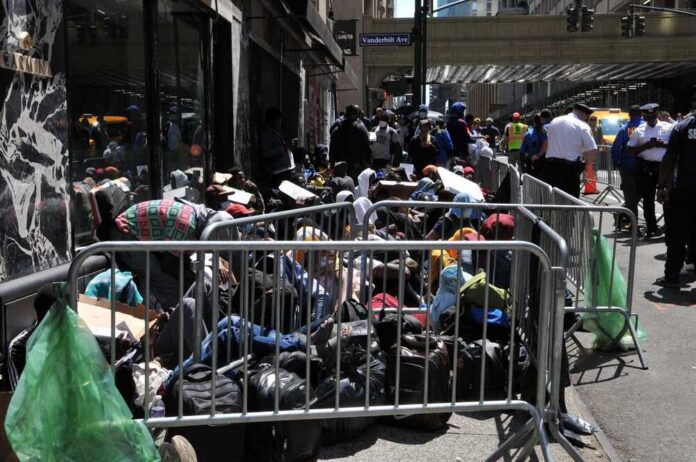
A top House Democrat is now floating “reparations” for people who entered the country illegally—just as Americans are already straining under inflation, war costs, and a border system that still feels upside down.
Story Snapshot
- Rep. Pramila Jayapal called for “some form of reparation” for illegal migrants’ families and urged prosecution of immigration officers during a progressive “shadow hearing” on March 27, 2026.
- The remarks landed as the Trump administration has increased deportations of criminal illegal immigrants, intensifying the partisan fight over enforcement.
- House Republicans advanced the “Deporting Fraudsters Act” (H.R. 1958) to bar benefit access for fraud-committing aliens and ensure removal.
- Democrats’ push highlights a widening divide over whether government resources should prioritize citizens and lawful residents or extend new compensation schemes to non-citizens.
Jayapal’s “Shadow Hearing” Message: Prosecute Officers, Pay Families
Rep. Pramila Jayapal (D-WA), the top Democrat on the House Judiciary Committee’s immigration subcommittee, argued at a March 27 “shadow hearing” that immigration enforcement has “traumatized” undocumented families. Reports of the event say she called for prosecutors to target “the people that have been inflicting this harm,” and added the country will need “some form of reparation for the kids and the families.” No official response from her office was noted in the initial coverage.
Democrats used the “shadow hearing” format because they lack House control, turning the event into a messaging platform rather than a legislative step. Other lawmakers reportedly echoed complaints about ICE enforcement, while one participant argued migrants “do jobs that keep our city running.” The immediate practical impact is political: the comments sharpen the debate over whether enforcement itself is wrongdoing, or whether enforcement is the baseline expectation in a constitutional nation with borders and laws.
Why “Reparations” for Non-Citizens Is a New Political Threshold
Reparations debates in Washington have typically centered on slavery and Jim Crow, including long-running proposals such as H.R. 40 to study compensation. Recent progressive efforts have included land-reparations concepts advanced by Democratic lawmakers in 2022–2023. Jayapal’s framing shifts the rhetoric to people who are not U.S. citizens and, by definition in this context, are present unlawfully—raising immediate questions about eligibility, taxpayer exposure, and whether enforcement actions can be recast as compensable “harm.”
Supporters of stronger borders see a basic fairness problem: if government is asked to cut checks to illegal migrants for enforcement-related “trauma,” citizens who play by the rules may conclude the system rewards lawbreaking while punishing compliance. The available reporting does not provide specifics on proposed amounts, program design, or a legislative vehicle. Without those details, the idea functions more as a political signal—one that risks widening distrust in institutions already strained by years of overspending and policy whiplash.
Republicans’ Enforcement Track: Fraud, Benefits, and Removal
Republicans have pointed to fraud and public-benefit abuse as a concrete reason to tighten eligibility and speed removals. In March 2026, House Republicans advanced H.R. 1958, the “Deporting Fraudsters Act,” described as targeting aliens who commit fraud to obtain benefits and ensuring they are removed. Backers framed the bill as taxpayer protection and deterrence, while Democrats’ “shadow hearing” emphasis focused on the human cost of enforcement and alleged trauma from immigration actions.
What to Watch Next: Hearings, Spending Pressures, and Trust in Law
House leadership is expected to hold official immigration hearings that will likely amplify the split between enforcement-first policy and humanitarian-first rhetoric. The coverage so far remains limited and localized, and there is no detailed federal proposal attached to Jayapal’s remarks in the provided sources. Still, the language matters: calling for prosecutions of immigration officers and “reparations” for illegal migrants implies a future where enforcing duly passed laws becomes legally risky for agents and financially costly for taxpayers.
Leading Democrat Calls For Reparations For Illegal Immigrants https://t.co/cTgvAss4LD
— zerohedge (@zerohedge) March 30, 2026
For conservatives—especially voters already skeptical after years of “woke” priorities, spending spikes, and border chaos—the key question is whether Washington will defend equal application of the law or create new carve-outs that erode it. With the country also paying the price of a major overseas conflict and higher energy costs, any new entitlement-style compensation program would face a harsh credibility test: prove the legal basis, define eligibility, and explain why citizens should fund payouts tied to illegal entry.
Sources:
Far-left House dem pushes land reparations for descendants of American slaves
Deporting Fraudsters Act (H.R. 1958) summary and House Republican leadership release
Rep. Jayapal Calls for ‘Reparations’ for Illegal Migrants