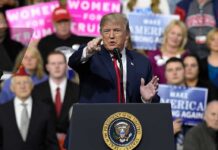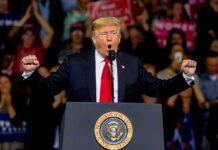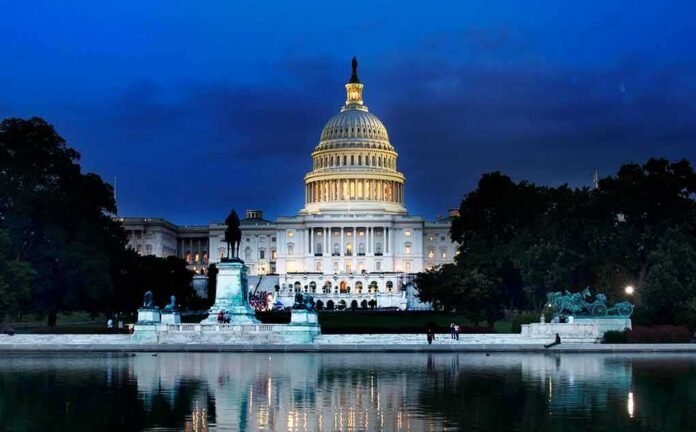
Senate leaders are holding “pro forma” sessions during a five-week break, a move that blocks President Trump from using recess appointments under Supreme Court rules.
Story Snapshot
- Senate left town for weeks while scheduling brief “pro forma” sessions that keep it technically in session.
- Supreme Court guidance says recess appointments require a break of at least 10 days without such sessions.
- Senate confirmed 74 Trump nominees before leaving but left many key posts unfilled.
- Reports show Leader John Thune weighed procedural options while facing a nominee backlog.
How Pro Forma Sessions Prevent Recess Appointments
Article II allows temporary appointments only when the Senate is in recess. The Supreme Court’s 2014 framework, summarized by major outlets, says a break shorter than 10 days does not count for unilateral appointments. Senators often meet this standard by holding quick “pro forma” meetings every few days during long breaks. One senator gavels in and out with no business done. This keeps the chamber technically open and blocks the recess-appointment window.
Associated Press explains that the Senate has used this tactic for years, across parties, to protect its advice-and-consent role. CBS describes the same practice as a routine method to deter end-runs around confirmation. These sessions are brief, but they satisfy the rule that the Senate is available to act. Presidents can still nominate, but cannot bypass the confirmation process when the chamber never enters a qualifying recess.
Where This Fight Stands Under President Trump
Politico reports senators confirmed 74 of President Trump’s nominees before leaving for a five-week recess. That was progress, but many positions remain open across agencies and the courts. The nomination logjam reflects years of partisan fights and slow floor time. Trump allies argue vacancies slow the agenda on border security, energy, and law-and-order priorities. Pro forma sessions keep the Senate technically present, so recess appointments are off the table during the break.
The Hill reported that Senate Republican Leader John Thune said options were “on the table” as leadership worked through the backlog earlier in the summer. Coverage from Politico and others chronicled pressure campaigns to cancel or shorten the August break to process more nominees. The current schedule leaves town while planning brief sessions, which continue the Senate’s control over confirmations and deny the White House a unilateral path during the pause.
What The Constitution And Courts Actually Allow
Legal explainers note that the Constitution’s recess-appointment clause is narrow. It gives the president a tool when the Senate truly cannot act. The Supreme Court’s guidance, as summarized by outlets, makes two points clear: the Senate decides when it is in session, and a recess generally must exceed 10 days to trigger unilateral appointment power. Regular pro forma meetings prevent that threshold, so the Senate preserves its say over lifetime judges and senior officials.
This is a live procedural clash, not a theory. Axios and Politico have tracked months of friction over stalled confirmations and timing. Fox News and others have explained how these brief meetings shut the recess window. Supporters say this protects checks and balances. Critics see delay that hobbles a sitting president’s team. Both can be true at once: the method is legal and established, yet it also slows the staffing that voters expect after an election.
Why It Matters To Conservative Readers
Staffing drives policy. Border enforcement needs confirmed leaders. Energy permitting needs steady hands. The longer key posts sit empty, the harder it is to press a mandate on security, inflation, and deregulation. Pro forma sessions are legal. But they also keep Washington stuck in neutral. The Senate should finish the job it started when it confirmed 74 nominees and return ready to vote. The country deserves a full team in place to carry out the agenda voters chose.
What We Know And What We Do Not
Reporters and legal guides agree on the basics: recess appointments require a true recess; pro forma sessions block that window. Multiple outlets confirm the Senate is using these sessions during the August break. What is missing in the public record provided here are the official calendar entries that list each specific date, or a direct on-record statement from Leader Thune explaining the exact purpose of this schedule. Those records would settle any remaining doubts.
Sources:
arnoldporter.com, politico.com, apnews.com, axios.com, thehill.com, foxnews.com, cbsnews.com, time.com