

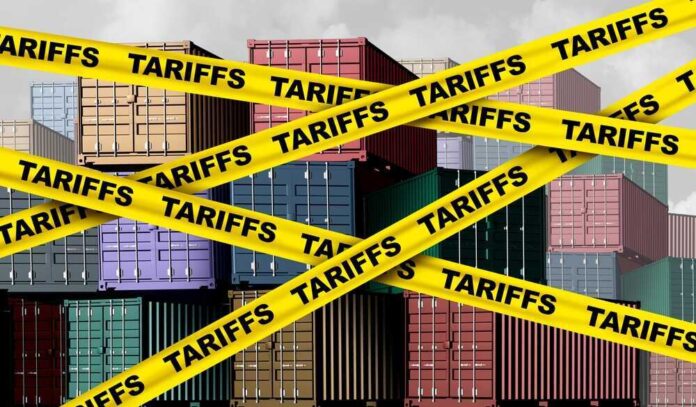
President Trump escalated diplomatic tensions with France after Emmanuel Macron rejected his invitation to join a proposed “Board of Peace,” with Trump threatening punitive tariffs.
Story Highlights
- France refuses Trump’s “Board of Peace” invitation, citing concerns over UN authority undermining
- Trump responds with threats of 200% tariffs on French wines and champagne
- French Foreign Ministry criticizes board’s scope extending beyond Gaza reconstruction
- Diplomatic rift highlights growing tension between America First policies and European multilateralism
France Rejects Trump’s Peace Initiative
President Trump’s proposed “Board of Peace,” initially designed to oversee Gaza reconstruction, faced immediate resistance from France on January 19, 2026. Sources close to President Emmanuel Macron confirmed France “does not intend to answer favorably” to the invitation. The French Foreign Ministry expressed concerns that the board’s charter extends far beyond Gaza’s situation and potentially undermines United Nations principles of international law and sovereign equality.
Trump’s Retaliatory Response
Following Macron’s rejection, President Trump launched a scathing counterattack, declaring “nobody wants” the French president and threatening severe economic consequences. Trump announced plans to impose a 200% tariff on French wines and champagne, targeting France’s luxury export sector.
The president’s response demonstrates his willingness to use America’s economic leverage to pressure allies who oppose his foreign policy initiatives, marking a significant escalation in transatlantic tensions.
Watch: https://youtu.be/05itJEI_elg?si=ooxwvgbIg6vE1pTn
UN Primacy Versus American Leadership
The diplomatic clash reveals fundamental disagreements over global governance structures. France’s Foreign Ministry emphasized the United Nations as the “keystone of effective multilateralism,” positioning the rejection as a defense of established international order. French officials criticized Trump’s board as promoting “arbitrariness and power politics” over legal frameworks. This resistance reflects European concerns about American unilateralism undermining decades-old multilateral institutions that have governed international relations since World War II.
Strategic Implications for Middle East Peace
France’s rejection potentially weakens Trump’s ability to build international legitimacy for his Middle East peace efforts. As a permanent UN Security Council member, France’s participation would have provided crucial European credibility to the initiative. The board’s expanded scope beyond Gaza reconstruction raised sovereignty concerns that extend throughout Palestinian territories and potentially other conflict zones. Trump’s approach mirrors his first-term preference for bypassing traditional diplomatic channels in favor of direct, results-oriented negotiations.
#BREAKING | Canada & France oppose Trump’s peace board seat
Trump’s $1 billion price repels nations from peace panel@eriknjoka brings you more by @susanmtehrani pic.twitter.com/5kINfIeeyK— WION (@WIONews) January 19, 2026
Economic Warfare and Alliance Strain
Trump’s threat of punitive tariffs represents a return to his signature tactic of leveraging America’s economic power to achieve foreign policy objectives. The 200% tariff on French wines and champagne would devastate France’s luxury export industry while demonstrating consequences for opposing American initiatives. This approach reinforces Trump’s “America First” doctrine, prioritizing bilateral pressure over multilateral consensus-building. The escalation threatens to further strain NATO relationships and European Union solidarity with American leadership on global security issues.
Sources:
France unlikely to accept US invitation to join Trump’s ‘Board of Peace’, Macron’s aides say