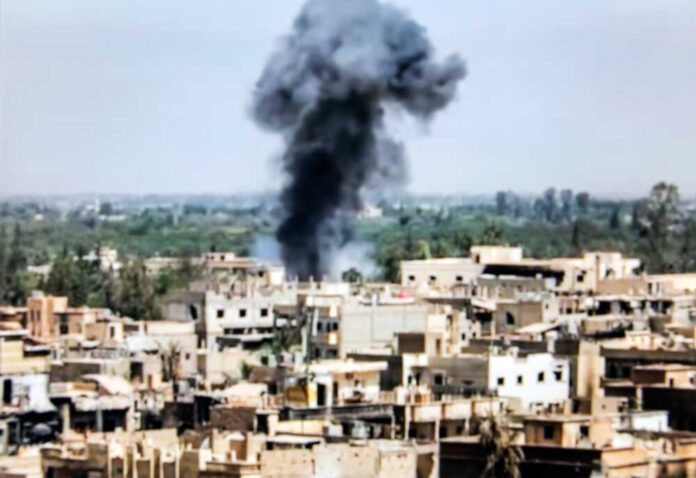
U.S. airstrikes on ISIS-linked targets in Nigeria ignites debate on Trump’s strategy and potential repercussions.
Story Snapshot
- U.S. military airstrikes targeted ISIS in Nigeria on Christmas Day, as authorized by President Trump.
- Nigeria claims its intelligence services were crucial in enabling these strikes.
- Fox News’ Pete Hegseth warns of potential retaliatory attacks or further U.S. military actions.
- The timing of the strikes aligns with Trump’s focus on protecting Christians.
U.S. Military Action in Nigeria
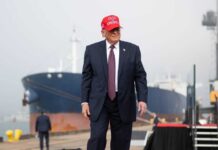
President Donald Trump authorized U.S. military airstrikes against ISIS targets in Nigeria, strategically timing them for Christmas Day. This decision was made to deliver a symbolic message to groups accused of targeting Christians. The Nigerian government has publicly welcomed these strikes, stating that their intelligence services were instrumental in providing key targeting information. This collaboration signifies a rare but significant partnership between the U.S. and Nigeria in counterterrorism efforts.
Fox News commentator Pete Hegseth has cautioned that these airstrikes might lead to further attacks, either by prompting terrorist retaliation or necessitating additional U.S. military engagements. The strikes are framed within Trump’s broader campaign against radical Islamic terrorism, emphasizing the protection of Christians—a theme resonating strongly with his conservative base.
Nigeria’s Role and Strategic Implications
Nigeria’s assertion that it provided intelligence for the strikes highlights a significant shift in the typical dynamics of U.S. military operations in Africa. Such cooperation is often kept under wraps, but Nigeria’s public acknowledgment aims to demonstrate effective counterterrorism collaboration with a major power. This move allows Nigeria to project competence and strengthen its domestic and international standing, especially amid ongoing security challenges.
The airstrikes underscore the evolution of Nigeria’s local insurgency into a regional ISIS affiliate, with ISWAP (Islamic State West Africa Province) actively targeting security forces and civilians. Nigeria’s public involvement in the operation also aligns with its strategic interest in securing continuous U.S. military, intelligence, and economic support.
Watch: https://www.youtube.com/watch?v=y1qqfhKcpkM
Potential Escalation and Future Considerations
The airstrikes have reinforced visible U.S.–Nigeria security cooperation, with both governments indicating their intent to maintain joint efforts. However, the risk of retaliatory violence remains a concern, as groups like ISWAP are known to adapt and regroup following such strikes. Analysts suggest that a comprehensive approach, combining military action with governance and development efforts, is crucial for sustainable peace in the region.
As the U.S. deepens its counterterrorism footprint in West Africa, these operations could normalize direct military engagement in the region. This development might deter militants but could also bolster extremist narratives of Western intervention. The evolving U.S.–Nigeria alliance has the potential for more joint missions and technology transfers, although any collateral damage could provoke domestic backlash in Nigeria.
Sources:
Nigeria says it shared intelligence to support US strikes on ISIS
Trump says US struck Islamic State targets in Nigeria after group targeted Christians