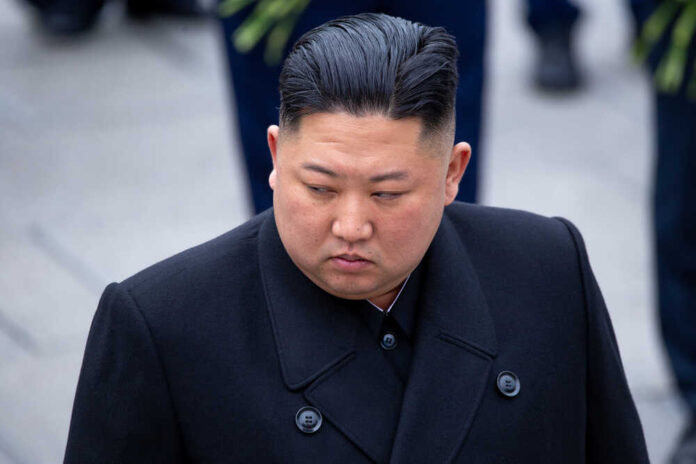
Kim Jong-un’s chilling New Year message glorifies North Korean troops sharing “blood, life and death” with Russian forces in Ukraine, forging an unbreakable axis that mocks UN sanctions.
Story Highlights
- North Korea openly celebrates combat involvement alongside Russia in Kursk, admitting nine soldiers killed in 120-day deployment.
- Pyongyang supplies artillery shells, missiles, and troops to sustain Russia’s Ukraine war, receiving food, energy, and advanced tech in return.
- This “invincible” DPRK-Russia alliance revives Cold War ties, eroding non-proliferation norms and linking European and Asian security threats.
- UN sanctions bypassed as authoritarian states coordinate, prolonging conflict and boosting North Korea’s missile capabilities against U.S. allies.
Kim’s Provocative New Year Message
On December 27, 2025, North Korean state media KCNA released Kim Jong-un’s New Year 2026 greeting to Vladimir Putin. Kim declared 2025 a “really meaningful year” for DPRK-Russia ties, forged by “sharing blood, life and death in the same trench” on the Ukraine front. This rhetoric frames North Korea as a direct co-belligerent, not mere supplier. The message emphasizes an “invincible” alliance no force can break, capping months of acknowledged troop deployments and arms transfers. Such open glorification marks a shift from denial to pride in combat solidarity.
Watch; https://www.youtube.com/watch?v=KTIwm0Y_hE8
Timeline of DPRK-Russia Military Escalation
June 2024 saw Russia and North Korea sign the Comprehensive Strategic Partnership Treaty, pledging mutual assistance. August 2025 brought North Korean engineering troops to Russia’s Kursk region for mine-clearing, per official claims, though intelligence links them to Ukraine support. On December 12, 2025, Kim welcomed home a unit, confirming nine soldiers killed in 120 days. Putin reciprocated with praise for their “heroic” role. Expanded arms shipments—artillery shells, missiles, multiple rocket launchers—followed, with Russia providing financial aid, food, energy, and military technology.
Strategic Exchanges and Battlefield Impact
North Korea supplies cheap Soviet-caliber munitions to backfill Russia’s depleted stocks amid high Ukraine war consumption. Pyongyang tests weapons in live combat, advertising capabilities while gaining Russian satellite, missile, and submarine tech. This quid pro quo violates UN arms embargoes, with Russia—a veto power—shielding DPRK from enforcement. Troops in Kursk free Russian forces for frontlines, sustaining operations and complicating Ukrainian defenses. Analysts note this parallels Iran-Russia drone deals, normalizing sanctions-busting.
The partnership fits authoritarian coordination under Western pressure, with DPRK securing regime-sustaining resources. Kim’s missile production orders intensify, heightening threats to South Korea, Japan, and U.S. assets. President Trump’s administration faces this axis testing American leadership, as proliferated tech links Ukraine to East Asia, eroding global norms conservatives champion for secure borders and strong defense.
Geopolitical Ramifications for U.S. Security
Short-term, DPRK munitions prolong Ukraine’s conflict, boosting Russian intensity against Western-backed forces. Long-term, tech transfers accelerate North Korea’s nuclear and missile programs, entangling European and Korean Peninsula tensions. Sanctioned states like Iran deepen ties, weakening non-proliferation. South Korea and Japan bolster U.S. alliances amid rising threats. This “blood alliance” revives Cold War dangers, challenging President Trump’s peace-through-strength doctrine and demanding vigilant countermeasures to protect American interests abroad.
Sources:
https://www.rte.ie/news/world/2025/1227/1550606-north-korea/
https://www.dawn.com/news/1963646/kim-stresses-shared-bloodshed-in-new-year-message-to-putin
https://macaubusiness.com/n-koreas-kim-stresses-shared-bloodshed-in-new-year-message-to-putin/