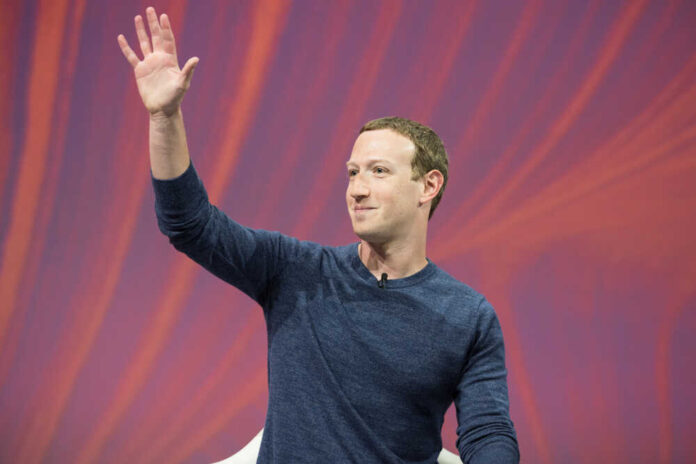
Mark Zuckerberg’s much-hyped AI smart glasses demonstration turned into a public relations disaster when multiple technical failures left the Meta CEO scrambling for excuses on stage.
Story Snapshot
- Meta’s smart glasses demo failed repeatedly during live presentation
- Zuckerberg blamed Wi-Fi issues for the embarrassing technical glitches
- Multiple features including AI gestures and display functions malfunctioned
- Social media erupted with criticism of Meta’s overhyped technology promises
Demo Disaster Exposes Meta’s Rushed Technology
Mark Zuckerberg faced a humiliating series of technical failures during Meta’s live demonstration of their new AI-powered smart glasses. The Meta CEO attempted to showcase advanced features including AI gestures, display capabilities, and voice commands, but encountered repeated malfunctions that left him visibly flustered on stage. The demonstration, intended to highlight Meta’s technological leadership in augmented reality, instead revealed the company’s tendency to overpromise and underdeliver on cutting-edge innovations.
The failed presentation occurred during a high-profile Meta event where Zuckerberg was promoting the company’s latest Ray-Ban smart glasses with enhanced AI capabilities. Multiple critical functions refused to work properly, forcing the CEO to make excuses and attempt workarounds that further highlighted the product’s instability. Industry observers noted this latest mishap follows a pattern of Meta rushing unfinished products to market while making grandiose claims about their capabilities.
Meta's Ray-Ban AI glasses demos flopped when the AI looped on a recipe and a WhatsApp call failed. While X users memed the Wi-Fi woes, some praised Mark Zuckerberg and Meta for attempting a bold live demo instead of relying on polished videos. #Meta #MetaAI #AI #metaconnect2025… pic.twitter.com/heW25DB8mv
— Markos.DU (@markos_du) September 18, 2025
Zuckerberg Blames Infrastructure for Product Failures
Rather than acknowledging potential flaws in Meta’s smart glasses technology, Zuckerberg immediately blamed Wi-Fi connectivity issues for the demonstration failures. This excuse-making approach frustrated tech analysts who argue Meta consistently deflects responsibility when their ambitious projects fall short of marketing promises. The company’s pattern of blaming external factors for internal product shortcomings has become a concerning trend for investors and consumers alike.
Watch: Meta’s Smart Glasses Demo Fail: What it says about Meta | Vantage With Palki Sharma
The Wi-Fi explanation particularly rang hollow given that major technology companies typically test their connectivity thoroughly before high-stakes demonstrations. Critics pointed out that if Meta’s smart glasses cannot function reliably under controlled presentation conditions, consumers should question their performance in real-world environments. This reliability concern becomes especially important when considering Meta’s push toward widespread adoption of augmented reality devices in daily life.
Conservative Concerns About Big Tech Overreach
Meta’s smart glasses represent another concerning step toward Big Tech surveillance of American citizens through wearable technology. These devices collect vast amounts of personal data including visual information, location tracking, and behavioral patterns that could easily be weaponized against conservatives and patriots.
The underlying technology behind these smart glasses raises serious questions about privacy rights and government surveillance capabilities. Americans should remain skeptical of any technology that promises convenience while potentially compromising constitutional freedoms and personal privacy.
Sources:
Timeline of events: Elon Musk and X (formerly Twitter)
Timeline: Elon Musk’s tumultuous Twitter acquisition attempt