
Tehran faces the real possibility of a mass evacuation as the city’s water supply collapses.
Story Highlights
- Iran’s capital, Tehran, is on the brink of evacuation as water reserves reach historic lows and government officials admit failure to secure the city’s future.
- This crisis is the direct result of decades of environmental mismanagement, reckless overconsumption, and failed infrastructure policies.
- Nearly 10 million residents face rationing, water cuts, and the threat of displacement, marking an unprecedented urban emergency.
Tehran’s Water Crisis Signals Global Risk of Government Failure
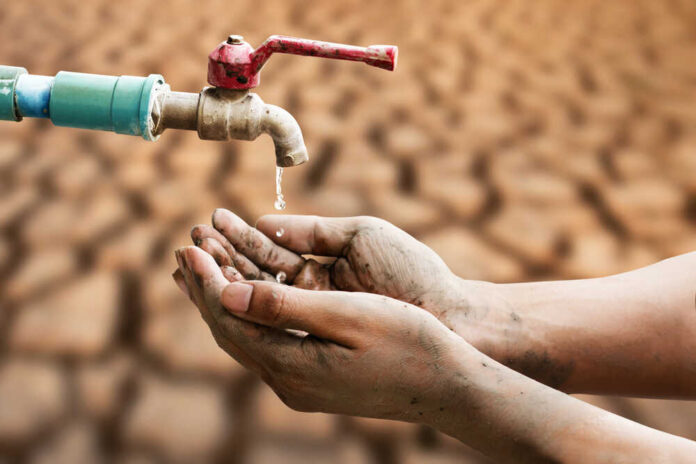
Tehran, a city of almost ten million, now stands on the edge of mass evacuation following the driest conditions in sixty years. Government warnings have escalated as dam and aquifer levels drop to just 11% of capacity, with water rationing and nightly pressure cuts already underway. The crisis, unprecedented in scale, is attributed to decades of mismanagement, over-extraction, and failing infrastructure.
The End Is Near. Tehran Faces Evacuation As Water Supplies Reach Zero and the City Sinks Into the Desert – RedState https://t.co/zK29QfpcjO
— Dan Paterson (@Paterson59Dan) November 11, 2025
Iranian officials, for the first time, are openly discussing evacuation plans for a national capital—an event never before seen in modern history. President Masoud Pezeshkian’s public warnings reflect mounting anxiety across Tehran, where residents have been urged to cut water use by 10% and install small tanks to prepare for further restrictions. Emergency measures intensify as rainfall continues to elude the region, highlighting the failure of leadership to anticipate and mitigate the disaster.
Environmental Mismanagement: A Warning for America
Iran’s water woes stem from chronic underinvestment in infrastructure, over-construction of dams for political showmanship, and decades of inefficient agricultural practices consuming up to 95% of water resources. Leaky pipes, outdated systems, and poor planning have compounded the crisis, leaving the city vulnerable as seasonal rains grow ever more unreliable due to climate shifts. This convergence of environmental and political failures exposes the dangers of centralized control and radical policies that ignore local needs and practical stewardship—a clear warning to Americans who value limited government and individual responsibility.
Watch: Iranian’s capital Tehran faces possible mass evacuation due to sever water shortages • FRANCE 24
Tehran’s geography, boxed in by mountains and desert, means few alternatives for water supply. Rapid urbanization and unchecked growth have outpaced natural resources, while the government’s response has been slow, opaque, and reactive. As millions face rationing and potential displacement, the impact ripples through schools, hospitals, and businesses.
Societal Impact: Displacement, Instability, and Constitutional Erosion
The immediate consequences in Tehran are severe: water shortages disrupt daily life, heighten public anxiety, and increase the risk of unrest. Businesses, hospitals, and schools struggle to operate as access to water dwindles. Long-term, if evacuation proceeds, millions could be uprooted, causing social fragmentation, trauma, and economic losses that threaten the city’s future as a capital and economic center. This level of government failure is a stark reminder of the importance of protecting constitutional rights and conservative values that safeguard American families and communities.
Sources:
Evacuating the capital: inside Iran’s water crisis