
The DOJ just indicted the Southern Poverty Law Center for allegedly using donor money to fund and manufacture the extremism it claims to fight—a stunning betrayal that exposes deep flaws in elite non-profits.
Story Snapshot
- DOJ indicts SPLC on April 21, 2026, for wire fraud under 18 USC § 1343, accusing it of misleading donors about paid infiltrators in extremist groups.
- Acting AG Todd Blanche charges SPLC “manufactured extremism” by paying sources to stoke hatred, diverting funds meant to dismantle hate groups.
- SPLC interim president Bryan Fair defends the informant network as essential for tracking hate and ensuring safety.
- Case highlights tensions between First Amendment protections and non-profit financial transparency, with no prior indictments of this kind.
Indictment Details
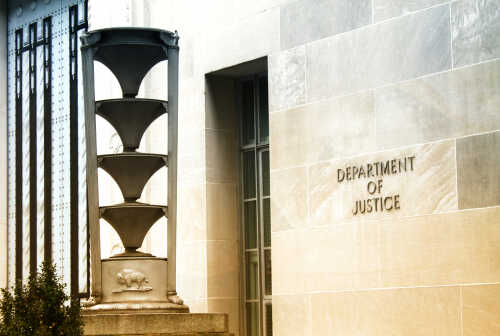
The U.S. Department of Justice filed charges against the Southern Poverty Law Center on April 21, 2026, accusing the non-profit of wire fraud and related crimes. Prosecutors allege SPLC used paid “field sources” to infiltrate white supremacist and extremist groups. Donor funds, intended to expose and dismantle these organizations, were instead misrepresented through fictitious entities to banks and supporters. This operation allegedly advanced extremist causes rather than combating them, inverting SPLC’s civil rights mission.
Clueless Columnist Asks If It’s Now a Crime to Expose White Supremacist Groups https://t.co/d7STQgT5ZP
— Dallys1515 💋 (@Dallys1515) April 23, 2026
Key Statements from Leaders
Acting Attorney General Todd Blanche declared that SPLC “manufactured the extremism it purports to oppose” by compensating sources to incite hatred within groups. SPLC interim president Bryan Fair countered that the confidential informant network remains vital for intelligence gathering and protecting communities from hate groups. Fair vowed a vigorous defense to safeguard staff and ongoing work. These exchanges underscore the high stakes in the federal case, now active with no trial date set.
The power imbalance favors DOJ’s prosecutorial authority over SPLC, a donor-dependent non-profit with a legacy in civil rights litigation. Donors emerge as key affected parties, potentially defrauded if allegations hold. White supremacist groups like the Rise Above Movement could indirectly gain from reduced monitoring should SPLC weaken.
Historical Context and Legal Precedents
SPLC originated after the civil rights era to litigate against white supremacists, employing legal action, exposure, and informant networks. Supreme Court rulings like Brandenburg v. Ohio (1969) protect hate speech absent imminent lawless action, while Virginia v. Black (2003) permits criminalizing intimidatory acts like cross-burning. Post-Charlottesville prosecutions under the Anti-Riot Act faced court challenges for overreach, striking down broad restrictions on advocacy. SPLC’s methods now face unique fraud scrutiny, distinct from protected speech.
Clueless Columnist Asks If It’s Now a Crime to Expose White Supremacist Groups https://t.co/w7asGlqAYM
— JT Badenov (@cbinflux) April 23, 2026
No direct precedents exist for indicting hate monitors like SPLC; focus remains on financial misrepresentation, not exposure itself. Platforms have deplatformed supremacist crowdfunding after violence, while groups often fund through crimes. This case amplifies debates on non-profit transparency amid persistent First Amendment tensions.
Potential Impacts
Short-term, SPLC confronts legal battles and possible donor losses, straining operations. Long-term, the outcome could deter NGOs from paid infiltration tactics without risking fraud charges. Civil rights advocates worry about diminished anti-hate efforts, while economic scrutiny hits donor-funded watchdogs. Socially, it fuels discussions on exposing versus funding hate, politically highlighting free speech versus accountability in elite institutions that many Americans distrust.
Sources:
DOJ indicts Southern Poverty Law Center for fraud
White supremacists and white nationalists
Funding Hate: How White Supremacists Raise Their Money
LDF Statement on the Investigation of the Southern Poverty Law Center