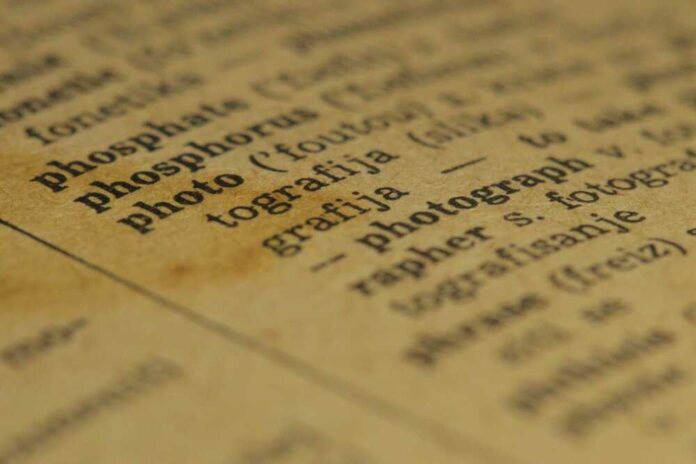
Cambridge Dictionary’s decision to add internet slang like “skibidi” to its official database has sparked outrage among Americans who see this as another assault on traditional English language standards.
Story Highlights
- Cambridge Dictionary adds over 6,000 new words including controversial Gen Z slang terms
- Terms like “skibidi,” “tradwife,” and “delulu” now receive official recognition despite public backlash
- Critics denounce move as degradation of English language standards and academic integrity
- Dictionary officials defend decision as reflecting real-world usage trends from social media
Dictionary Abandons Language Standards
Cambridge Dictionary announced in August 2025 the addition of 6,212 new words, prominently featuring internet slang that many view as meaningless gibberish. Terms like “skibidi,” originating from viral YouTube videos, and “delulu,” short for delusional, now hold the same official status as traditional English vocabulary. This represents a fundamental shift away from maintaining rigorous language standards that have preserved English as a coherent communication tool for centuries.
Cambridge Dictionary ripped for adding nonsense slang term ‘skibidi’ to its database: ‘English is no longer a language’ https://t.co/QervvMSLuK
— vanessa (@linusblue) August 18, 2025
Social Media Drives Linguistic Chaos
The dictionary’s lexical program manager Colin McIntosh justified the additions by claiming internet culture is “fascinating to observe and capture.” However, this approach prioritizes viral trends over linguistic integrity. The Cambridge English Corpus, containing over 2 billion words, now treats social media posts as equivalent to scholarly literature when determining word validity. This methodology elevates temporary internet fads to the same level as words with centuries of established usage and meaning.
Watch: https://youtu.be/C5ASJhwj6jY?si=anpM5NvPONSHYpNz
Traditional Values Under Attack Through Language
Among the controversial additions, “tradwife” stands out as particularly significant for conservatives. While the term refers to women who embrace traditional domestic roles, its inclusion in academic dictionaries reflects how progressive institutions attempt to categorize and ultimately marginalize traditional family values. The formal recognition of such terms often precedes attempts to redefine or delegitimize the concepts they represent, following patterns seen with other culturally significant terminology. This trend mirrors broader concerns about academic institutions prioritizing progressive agendas over traditional educational values.
Generational Warfare Through Language Policy
The dictionary’s emphasis on Gen Z and Gen Alpha slang represents another front in the ongoing cultural battle between generations. By legitimizing terms that older Americans view as nonsensical, Cambridge Dictionary effectively declares that youth-driven social media culture supersedes established linguistic traditions. This decision undermines parental authority and educational standards by giving official credence to language that many families work to discourage in formal settings.
The long-term implications extend beyond mere word choices to fundamental questions about who controls American cultural standards. When prestigious institutions abandon their role as guardians of linguistic excellence, they contribute to the broader erosion of educational quality and intellectual rigor that conservatives have long warned against.
Sources:
Cambridge Dictionary adds ‘skibidi’ and ‘tradwife’ among 6,000 new words
Cambridge Dictionary adds ‘skibidi,’ ‘tradwife’ to 6,000+ new words
Cambridge Dictionary adds “skibidi,” “tradwife” and thousands more words
Cambridge Dictionary Adds Over 6,000 New Words Including “Delulu” And “Tradwife”
‘Skibidi,’ ‘delulu,’ ‘tradwife’: New words added to Cambridge Dictionary