
A diplomatic standoff emerges as Trump demands the return of Bagram Air Base, challenging Taliban sovereignty.
Story Highlights
- The Taliban rejected Trump’s demand to return Bagram Air Base, citing the Doha Agreement.
- Trump warns of “bad things” if the US does not regain control of the base.
- The dispute underscores post-withdrawal tensions and strategic interests in Afghanistan.
- Taliban’s assertion of sovereignty and adherence to international agreements are central to the conflict.
Trump’s Demand and Taliban’s Response
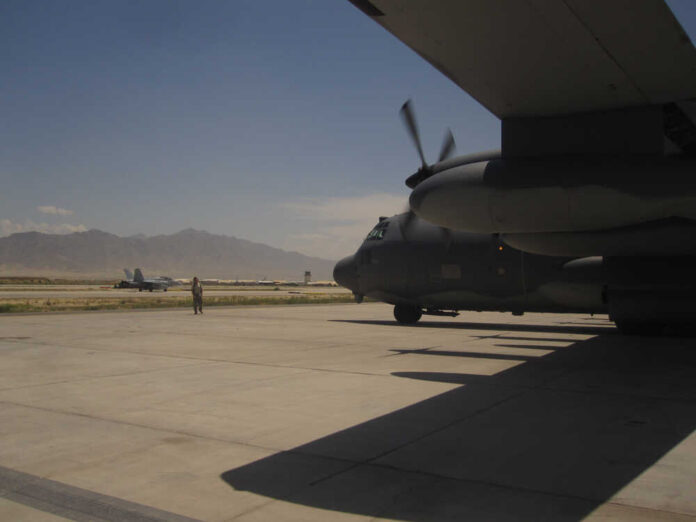
US President Donald Trump has publicly demanded the return of Bagram Air Base, a key strategic military asset, to US control. The Taliban, now in power in Afghanistan, rejected this demand, citing the Doha Agreement and Afghanistan’s sovereignty as their primary reasons. This agreement, signed in February 2020, outlined the withdrawal of US forces and the Taliban’s commitments, setting the stage for the current standoff.
The confrontation over Bagram highlights the evolving power dynamics between the US and the Taliban. While the Taliban maintains physical control over the base, the US seeks to reassert its strategic influence in the region. This conflict arises amidst ongoing debates about the effectiveness of the US withdrawal strategy and the long-term implications for regional security.
Afghanistan rejects call from President Donald Trump for the US military to return to the country and reclaim Bagram airbase https://t.co/bt5nUW0FAm pic.twitter.com/nZCm6X1Nzn
— Al Jazeera English (@AJEnglish) September 19, 2025
Strategic and Diplomatic Implications
The situation around Bagram Air Base is emblematic of broader strategic and diplomatic tensions post-US withdrawal. For the US, regaining control of Bagram is crucial for maintaining a foothold in Central Asia and ensuring counterterrorism operations. Conversely, the Taliban’s control over the base bolsters their claims to sovereignty and legitimacy, presenting a formidable challenge to US interests.
The Taliban’s invocation of the Doha Agreement underscores their commitment to international agreements, which they leverage to assert their position on the global stage. Trump’s threats of “bad things” if the base is not returned have escalated tensions without leading to immediate action, reflecting the complex interplay of diplomacy and military strategy.
Watch: https://youtu.be/qzpxjpSSuPg?si=tvyh_e-kb4A-rJrG
Potential Outcomes and Future Relations
The standoff at Bagram Air Base could lead to several potential outcomes. In the short term, heightened diplomatic tensions and increased rhetoric are likely. In the long term, this situation sets a precedent for the Taliban’s assertion of sovereignty, potentially impacting future US-Afghanistan relations and regional alliances.
The broader implications for US strategic interests in Central Asia are significant. The loss of Bagram affects not only military operations but also diplomatic engagements with regional actors such as Pakistan, Russia, and China. As the situation unfolds, both the US and the Taliban will need to navigate these complexities to avoid further escalation.
Sources:
Afghanistan rejects US bid for Bagram citing Doha Agreement