

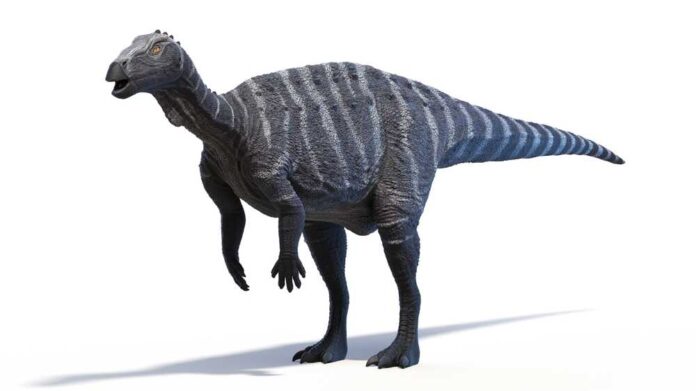
The mighty dinosaurs weren’t gasping their last breath when that cosmic boulder slammed into Earth 66 million years ago—they were actually living their best lives.
Story Snapshot
- Dinosaurs were thriving in diverse ecosystems right up until asteroid impact
- New Mexico fossil evidence reveals distinct “bioprovinces” of dinosaur communities
- Previous theories about dinosaur decline before extinction are being overturned
- Multiple specialized dinosaur habitats coexisted across North America
The Great Extinction Myth Gets Demolished
Scientists have shattered one of paleontology’s most persistent myths. For decades, researchers suggested dinosaurs were already on their way out when the Chicxulub asteroid delivered the final blow. This narrative painted these ancient giants as evolutionary has-beens, limping toward extinction in a world that had grown hostile to their survival. The reality couldn’t be more different.
Dinosaurs were thriving when the asteroid struck https://t.co/lVDRi1KEXO
— Zicutake USA Comment (@Zicutake) October 26, 2025
New Mexico’s Fossil Treasure Trove Tells a Different Story
Deep in New Mexico’s badlands, paleontologists uncovered fossil evidence that reads like a vibrant encyclopedia of dinosaur life. These ancient burial grounds preserve snapshots of thriving ecosystems where different dinosaur species carved out specialized niches. The fossils reveal distinct “bioprovinces”—essentially prehistoric neighborhoods where specific dinosaur communities flourished in their preferred environments.
Each bioprovince supported unique assemblages of dinosaurs, from massive long-necked sauropods that towered over ancient forests to nimble raptors that hunted in packs across open plains. These weren’t struggling remnants of a dying lineage. These were sophisticated, well-adapted communities that had found their ecological sweet spots.
Watch: Dinosaurs Thriving Until Asteroid Strike: New Research Challenges Extinction Theories
Biological Diversity at Its Peak
The fossil record paints a picture of biological abundance that would make modern conservationists weep with envy. Herbivorous dinosaurs had evolved into dozens of specialized forms, each perfectly adapted to extract maximum nutrition from their preferred plant foods. Some developed elaborate dental batteries for grinding tough vegetation, while others sported bizarre head crests and frills that likely served both defensive and social functions.
Predatory dinosaurs weren’t lagging behind in this evolutionary arms race. They had diversified into an impressive array of hunting specialists, from massive apex predators like Tyrannosaurus rex to smaller, more agile hunters that could pursue prey through dense forests or open grasslands. This predator-prey dynamic created a complex web of relationships that sustained itself for millions of years.
The Asteroid’s Devastating Precision
What makes the Chicxulub impact even more tragic is its perfect timing. The asteroid struck during what appears to have been a golden age of dinosaur evolution. These creatures had spent 165 million years perfecting their dominance of terrestrial ecosystems, reaching unprecedented levels of diversity and specialization just before cosmic bad luck intervened.
The extinction wasn’t a mercy killing of dying species—it was the brutal termination of Earth’s most successful experiment in large-scale terrestrial life. Within months or perhaps just weeks of impact, ecosystems that had remained stable for millions of years collapsed entirely, taking with them evolutionary masterpieces that had taken eons to perfect.
Sources:
https://www.theguardian.com/science/2025/oct/23/dinosaurs-asteroid-struck-research
https://www.nationalgeographic.com/science/article/dinosaurs-thriving-extinction-asteroid-new-mexico