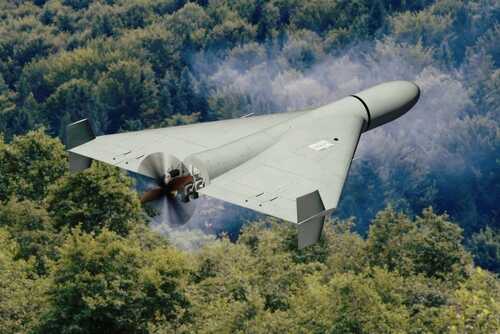
A new missile-armed drone from Russia, packed with foreign-made parts, threatens to escalate the air war over Ukraine.
Story Highlights
- Russia’s new Shahed drone variant, armed with R-60 missiles, contains foreign electronics.
- Ukraine’s intelligence reveals components from the US, UK, and other nations despite sanctions.
- Western governments face pressure to tighten export controls on dual-use technologies.
- The drone’s presence marks a shift in drone-on-aircraft warfare tactics.
Russia’s New Drone Variant and Its Implications
Russian forces have introduced a modified Geran-2 drone variant in Ukraine that carries Soviet-era R-60 air-to-air missiles. According to Ukraine’s Main Directorate of Intelligence (HUR/GUR), this drone is filled with foreign-made electronic components from several Western and Asian countries, despite existing sanctions. This significant development raises concerns about the effectiveness of current export control regimes.
The introduction of a missile-armed Shahed drone marks a qualitative change in drone warfare, threatening Ukrainian aircraft and complicating their air defense strategies. HUR’s findings suggest a critical dependence of Russia’s military capabilities on foreign technology, which persists due to systemic sanctions evasion.
Watch: https://www.youtube.com/watch?v=oPn13XarjYI
Impact of Foreign Parts in Russian Drones
Ukraine’s intelligence has documented the use of foreign components in Russian drones, highlighting a significant gap in international export controls. Countries like the US, UK, Germany, and others face growing pressure to crack down on the flow of dual-use technologies entering Russian weapons programs. The presence of these components underscores the challenges in enforcing sanctions and the need for stricter regulations and oversight.
In response to these revelations, Ukraine has called for tighter controls and increased vigilance in monitoring and restricting the export of sensitive technologies. The ongoing use of foreign parts in Russian military equipment threatens to undermine international efforts to curtail Russia’s military capabilities.
Russia's new missile-armed Shahed drone is full of foreign-made parts, Ukraine says https://t.co/XbOQFsvTr9
— Jazz Drummer (@jazzdrummer420) December 15, 2025
Strategic and Tactical Implications
The deployment of missile-armed drones by Russia represents a shift in military tactics, potentially normalizing drone-on-aircraft combat. This development could lead to an arms race, prompting other nations to enhance their drone capabilities. For Ukraine, the presence of such drones increases the risk to its aircraft, necessitating a reevaluation of interception tactics and a potential shift toward greater reliance on ground-based defenses.
Western tech manufacturers are also feeling the impact, as the discovery of their components in Russian drones raises reputational and legal risks. Companies may face increased scrutiny and pressure to implement stringent compliance measures to prevent their products from being diverted to hostile military applications.
Sources:
Ukraine releases list of foreign components in Russian Shahed-107 drones
Russia’s new missile-armed Shahed drone contains foreign parts
Russia’s missile-armed Shahed drone full of foreign-made parts