
A new policy threatens American interests and escalates tensions in the Middle East, igniting debate among patriots.
Story Highlights
- Trump imposes 25% tariffs on countries trading with Iran.
- Over 2,400 reported deaths in Iran protests, prompting U.S. response.
- Trump signals potential for military action if necessary.
- U.S. citizens advised to evacuate Iran amid escalating unrest.
Trump’s Strategic Move Against Iran’s Regime
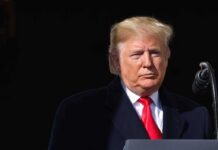
In a decisive move, President Trump has announced a 25% tariff on any country that continues to do business with Iran. This action aligns with his administration’s commitment to applying maximum pressure on Tehran amidst reports of over 2,400 protester deaths in Iran. The tariffs aim to isolate the Iranian regime further, a strategy that Trump hopes will bring about meaningful change and support the Iranian people’s demands for freedom and reform.
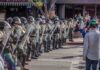
Trump’s administration has been vocal about supporting the Iranian protesters, with Trump himself posting messages of encouragement such as “HELP IS ON ITS WAY.” The current unrest in Iran, which has spread to 187 cities, has drawn international attention, with human rights organizations like HRANA reporting significant casualties and arrests. The U.S. government’s response signals a departure from previous administrations’ approaches, emphasizing economic and potentially military measures to address human rights abuses.
Humanitarian and Economic Concerns
The death toll in Iran has sparked humanitarian concerns, with President Trump calling upon the international community to condemn the regime’s actions. Trump’s administration is also evaluating further sanctions or military options to deter the Iranian government’s suppression of the protests. The high number of casualties reported by HRANA underscores the severity of the situation, which Trump has described as a “terrorist war” against the Iranian people perpetrated by their own government.
The tariffs not only increase pressure on Iran but also affect global trade, particularly impacting countries reliant on Iranian oil and banking sectors. While this move may strain international relations, Trump’s administration argues that the pressure is necessary to destabilize Iran’s regime and bring about positive change for the Iranian people. The current economic sanctions are part of a broader strategy to weaken the regime’s financial capabilities and support the protesters’ demands for change.
The Path Forward
As the situation in Iran remains volatile, the U.S. has issued warnings for its citizens to evacuate through neighboring countries like Armenia and Türkiye. This precautionary measure indicates the potential for further escalation, as the national security team continues to assess the situation. Trump’s vow to “act accordingly” after receiving confirmed death tolls suggests that military options remain on the table if diplomatic and economic pressures fail to yield results.
Watch: https://www.youtube.com/watch?v=66WsyZjDzsE
With the stakes high, the future of U.S.-Iran relations depends on the unfolding events in Iran and the international community’s response. The current administration’s approach highlights a determination to uphold conservative values such as sovereignty, national security, and support for democratic movements abroad, all while navigating complex geopolitical dynamics.
Sources:
Iran protests: Trump suggests Americans should leave; over 2,400 killed, group says