Trump’s Treasury temporarily lifts sanctions on stranded Russian oil, prioritizing American pump prices over Putin pressure amid Iran chaos.
Story Snapshot
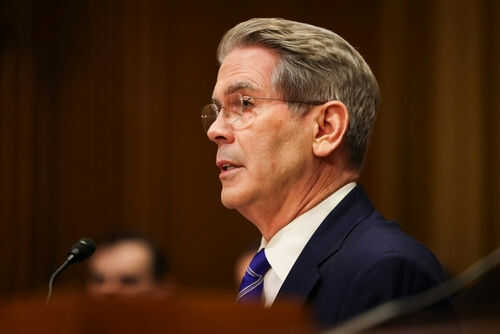
- Treasury Secretary Scott Bessent announced a narrow waiver on March 12, 2026, for countries to buy Russian oil already at sea, hit by Strait of Hormuz closure.
- Move counters Iran conflict disruptions, aiming to stabilize global energy and shield US consumers from spiking fuel costs.
- Explicitly excludes new production, minimizing Kremlin revenue since taxes fund Russia’s war from extraction.
- Builds on Trump admin’s October 2025 sanctions hitting Rosneft and Lukoil to force Putin ceasefire talks.
Announcement Details
US Treasury Secretary Scott Bessent posted the temporary authorization on social media March 12, 2026. The measure expands a prior India-only waiver to allow broader countries to purchase Russian oil cargoes stranded in transit. Iran-related conflict closed the Strait of Hormuz, triggering the world’s largest energy disruption according to the International Energy Agency. US oil production hits records, yet prices surge without relief. Bessent stressed the action’s narrow tailoring to avoid significant Russian government benefits.
Strategic Context Amid Sanctions Pressure
Trump administration sanctioned Russia’s largest oil producers Rosneft and Lukoil on October 22, 2025, escalating pressure for Ukraine ceasefire after Biden-era ramp-ups on Gazpromneft and others. Russia depends on oil extraction taxes as a war funding chokepoint. This waiver targets only pre-existing transit oil, preserving enforcement on new output. President Trump drives energy dominance policies, balancing hawkish sanctions with market stability needs during Iran threats. Private firms may see minor gains, but Kremlin lines remain blurry per analysts.
Impacts on US Families and Economy
American consumers endure high fuel costs from Hormuz closure, hitting family budgets hardest after years of Biden inflation. The waiver eases short-term supply strains, potentially trimming prices without a silver bullet until the strait reopens. Gulf Coast refiners eye Jones Act waivers for domestic fuel shifts and $20B US-backed tanker insurance. Long-term, it bolsters US production boom, prioritizing citizens over globalist handouts. Trump balances anti-Russia hawks with practical energy leadership.
Axios reporter Ben Geman, on LiveNOW from FOX March 13, called it preemptive against critics, noting limited relief levers like this and Jones Act changes won’t normalize prices fast. Carnegie analysis praises Rosneft/Lukoil hits as a Putin pressure shift, mirroring successful pre-2015 Iran enforcement over 6-24 months. Critics flag indirect Russia aid risks, but facts show extraction taxes limit benefits. Enforcement vigor defines success.
Sources:
Carnegie Endowment: Russia-US Sanctions Effect Podcast
US Treasury Press Release: Sanctions on Rosneft and Lukoil