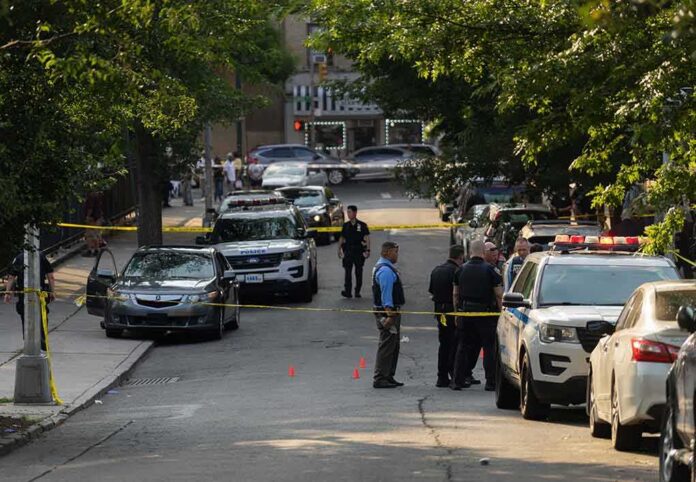
A network hyped a racially charged narrative while leaving out that police had not found evidence of a lynching and the autopsy was still pending.
Story Snapshot
- Jackson police called the case an active death investigation, not a lynching probe.
- A councilman urged federal help before autopsy results were released.
- The victim’s mother rejected suicide but did not claim a racial motive.
- Media emphasized Mississippi’s history, risking conclusions before facts.
What Police And Officials Actually Said In Jackson
Jackson Police Department reported finding a Black woman hanging from a tree behind a vacant house and described the matter as an active and ongoing death investigation. Police did not declare a homicide, a hate crime, or name suspects. The Hinds County Coroner identified the victim as 29-year-old Tasia Fortune. The state medical examiner was tasked with determining cause and manner of death, and officials had not confirmed foul play at that time.
Mississippi Free Press likewise reported that authorities had not said whether they suspected foul play. The outlet confirmed the body was found behind a vacant home and that identification came through the coroner. That reporting matched the neutral, fact-gathering tone of police statements, which kept the case open while medical findings were pending. These details show the official record stayed careful and did not support a rush to a lynching narrative.
How Media Framed The Story Before Forensics
National and social coverage leaned on Mississippi’s tragic history of racial violence to frame public understanding. That approach can stir fear and anger before evidence is in. Councilman Kenneth Stokes asked the United States Attorney’s Office to get involved even as the autopsy and investigation remained open. Calls for federal action sounded urgent but arrived ahead of the key facts that settle homicide versus suicide or undetermined causes.
Some segments centered grief and outrage while skipping crucial context on the investigation’s status. That imbalance risks training viewers to assume a racial motive without evidence. It also can drown out later findings if the medical examiner rules suicide or cannot determine the manner of death. When news leads with history but not the current evidentiary posture, it nudges audiences toward a verdict the record does not yet support.
What The Family Said And Did Not Say
Tasia Fortune’s mother told reporters she did not believe her daughter died by suicide. That is a heartfelt claim any parent would make, and it deserves care. But ABC’s video reporting also showed the family did not want the death linked to racially motivated violence. The family’s public stance pushed back on suicide while avoiding a lynching claim, which underscores how unsettled the facts remained during the media surge.
The hanging death of 29-year-old Tasia Fortune in Jackson, Mississippi, has raised questions as police investigate the circumstances surrounding her death. https://t.co/gYVph2CwLz
— FOX 13 Seattle (@fox13seattle) August 13, 2026
Responsible outlets made clear that the autopsy would decide cause and manner of death. They also noted police had not confirmed suspects or foul play. That is the right way to cover a case like this. It respects the family, it respects the investigators, and it respects the truth. Anything else, especially heavy racial framing without evidence, risks turning pain into politics before answers arrive.
Why This Matters For Viewers Who Value Truth And Due Process
Americans who believe in limited government and equal justice expect facts to lead. When media hype outpaces evidence, trust erodes. Cities already struggle with crime, addiction, and broken families. They do not need cable news turning every open case into a culture war. The right approach is simple: report what police and the medical examiner can confirm, ask tough but fair questions, and let the science and witness work guide the story—not hashtags and history alone.
What To Watch Next
Watch for the full autopsy and toxicology results from the Mississippi State Medical Examiner. Those findings will settle cause of death and suggest a manner—suicide, homicide, accident, or undetermined. Look for any scene reconstruction details, like measurements and rescue notes, that show whether self-suspension was plausible. Keep an eye on whether police find video, phone data, or witnesses that point to other people at the scene. Until then, patience protects truth and the Constitution’s promise of fair process.
Sources:
facebook.com, hindustantimes.com