Colombia has asked the United States to conduct joint military strikes on cartels, opening a new front in President Trump’s hemispheric anti-cartel campaign.
Story Highlights
- Colombia authorized joint U.S.-Colombian military operations against narco-terror groups.
- Bogotá joined the Americas Counter Cartel Coalition, expanding regional teamwork.
- U.S. officials framed designated terrorists and networks as legitimate targets.
- Analysts warn force must pair with rule-of-law and development to last.
Colombia Greenlights Joint Operations With The United States
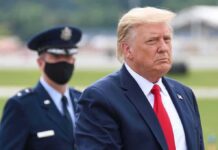
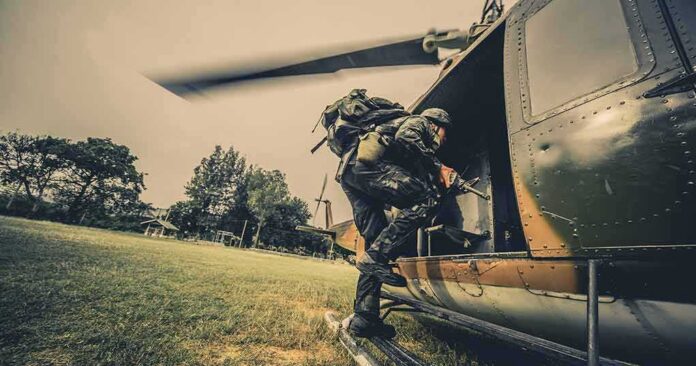
United States Defense Secretary Pete Hegseth said on August 12 that Colombia authorized joint operations with U.S. forces to target drug traffickers and narco-terror groups. He said the request came from Colombia’s newly inaugurated president and his government. The move expands Washington’s push to cripple cartels across the region. The request includes authority for joint missions against terrorists and their networks on Colombian soil, according to public remarks delivered in Panama City.
Agence France-Presse video from the event captured Hegseth calling designated terrorists “legitimate targets” for the United States when partnered with host nations. That framing signals closer targeting rules and clearer mission sets than past efforts. It also shows alignment between President Trump’s security team and Colombia’s new leadership. The remarks came as U.S. officials convened allies to expand a coordinated strike posture against cross-border smuggling and cartel-linked violence in the Americas.
Colombia Joins The Americas Counter Cartel Coalition
Hegseth announced that Colombia formally joined the Americas Counter Cartel Coalition, often described as the “Shield of the Americas.” The coalition links partners for intelligence sharing, maritime patrols, air tracking, and combined planning. Colombia’s entry gives the coalition a key anchor where most cocaine bound for the United States begins. The decision follows months of outreach and signals Bogotá’s intent to align with Washington on stronger action and shared risk against cartel power centers.
The United States government has long backed Colombia’s security forces with training, technology, and judicial support. Past reviews credit the partnership with averting state failure and improving capabilities, even as trafficking evolved. Today’s step builds on that base. It adds operational authority to act together against armed groups that hide in rough terrain, exploit weak borders, and corrupt local institutions. It also supports President Trump’s promise to push the fight outward, hitting cartels before poison reaches American streets.
Why This Matters For U.S. Families And Border Security
Cartels fuel violence, human smuggling, and the flow of hard drugs that kill Americans each week. Hitting production hubs and smuggling nodes overseas helps reduce volume before it reaches the border. Joint operations with Colombia can disrupt labs, airstrips, river routes, and finance pipelines. They also raise the cost for traffickers who rely on rural safe havens and friendly officials. A stronger Colombian partner increases pressure across the chain, from grow fields to transit corridors to export points.
Conservative readers have demanded a tougher stance for years. They watched globalist half-steps fail while overdose deaths rose and communities suffered. President Trump’s team is now pairing clear rules of engagement with regional partners who asked for help. That respects sovereignty while defending American families. It also shows that when allies step up, Washington will act with them to confront armed criminals who threaten the rule of law and regional stability.
Balancing Force With Long-Term Stability
Policy analysts caution that force alone cannot lock in gains. A June brief from the Quincy Institute argues the best results come when security action is paired with rural development, rule-of-law, and steady state presence in neglected areas. Cartels adapt when pressure rises, shifting routes or turning to covert violence and corruption. Lasting success needs courts, honest policing, and real options for farmers, alongside joint strikes on the worst actors and networks.
These warnings reflect lessons from past campaigns. They do not dispute that joint missions can remove violent leaders or destroy labs. They argue the missions should plug into a broader plan that restores order and trust. The coalition model can support that by syncing interdiction, intelligence, and justice tools across borders. Colombia’s decision to link up at the operational level could make it easier to match quick hits with follow-through that keeps territory from sliding back.
What To Watch Next
Watch for the first named joint operations and which targets they prioritize. Expect action against high-impact labs, jungle airstrips, and river convoys tied to designated groups. Look for signs of deeper information sharing that speeds raids and arrests. Also track whether Colombia pairs operations with local policing, judicial moves, and anti-corruption drives to hold terrain. Those steps will show if this is a short surge or a durable plan with teeth and staying power.
Congressional oversight may review authorities, funding, and the legal framework that guides U.S. personnel overseas. Families want results without mission creep. Clear goals, tight rules, and measurable wins will matter. If the coalition cuts supply and weakens cartel firepower, border agents and local police will feel relief at home. If partners sustain rule-of-law gains, communities in Colombia will too. That is the standard this new phase must meet to earn long-term support.