

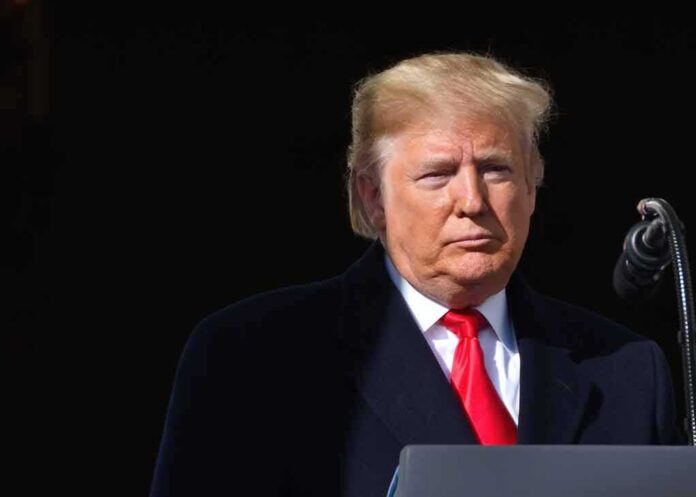
President Trump signaled he may meet North Korea’s Kim Jong Un, reviving high-stakes diplomacy that once paused missile threats and opened direct talks.
Story Highlights
- Trump said a meeting with Kim “may” happen, pointing to renewed engagement.
- Past talks began after South Korea relayed Kim’s eagerness to meet Trump in 2018.
- Trump’s prior letter and summits show a pattern from hint to handshake.
- A possible meeting is not scheduled yet, but the door is open.
Trump Signals Openness To New Kim Meeting
President Trump told reporters he “may” meet North Korea’s Kim Jong Un, describing such a session as “exciting” and noting he gets along with the North Korean leader. That brief answer matters. It puts direct leader-to-leader talks back on the table. It also echoes Trump’s past style: make a clear opening, then drive toward a concrete meeting if security and diplomatic needs line up. The statement did not include a date or venue, but it set the tone.
White House history shows this approach has worked before. In March 2018, South Korea’s national security adviser said Kim was eager to meet Trump “as soon as possible,” and Trump agreed to pursue a meeting by May to advance denuclearization talks. Weeks later, Trump wrote Kim that he looked forward to meeting and kept the door open even when plans shifted. That path led to face-to-face talks that cut through years of stale back-and-forth.
Track Record: From Possibility To Summitry
The first Trump–Kim summit in Singapore on June 12, 2018 produced a joint statement on peace and denuclearization of the Korean Peninsula. While broad, that document marked a step no recent administration had reached. The leader-level channel lowered tensions and created room for working-level talks. Trump’s pattern is clear: float a meeting, gauge the response, then move fast to seize an opening if it serves American interests and strengthens deterrence.
The base reality is tough. North Korea’s nuclear drive has resisted pressure for decades. Past cycles swing between missile tests and engagement. Even so, leader talks can calm the waters and test real intent. Trump’s summits showed that top-down pressure can shake loose rigid habits and force choices. Critics point to gaps in enforcement. Supporters note the quiet period that followed the outreach and the chance to rally allies around a firmer line if Pyongyang stalls again.
What A 2026 Meeting Could Deliver For U.S. Interests
A new meeting could aim at three wins that matter to American families and troops. First, reduce near-term military risk by pressing for a freeze on the most provocative tests while talks proceed. Second, re-open channels for recovering remains of fallen service members and reuniting families when possible. Third, set a clear ladder: limited North Korean steps on nuclear limits matched by calibrated sanctions relief, all verified. That keeps pressure high and rewards only real actions.
North Korea’s Kim showcases missile capable of reaching U.S. as Trump signals possible meeting
The report came a day after President Donald Trump said he might meet Kim during a planned trip to Asia in mid-November.https://t.co/H1qNf81xnl— Marcy (@Marcy_2022) October 14, 2026
The administration can also anchor this effort in American strength. That means tighter allied drills with South Korea and Japan, continued missile defense upgrades, and strict sanctions enforcement. Talks work best when backed by power. Trump has shown he will walk if terms are weak. One sentence of caution applies: today’s signal is a possibility, not a set plan. But the record shows that clear signals from the Oval Office can move this file from talk to table, fast.
Sources:
pbs.org, democracynow.org, transcripts.cnn.com, npr.org