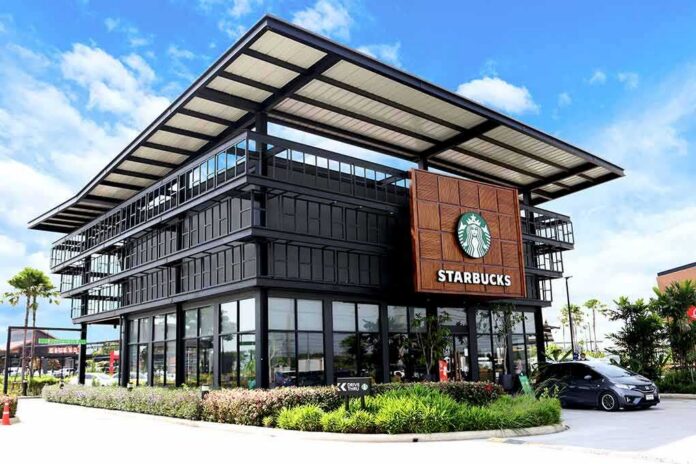
A reported Starbucks push to buy Chipotle could saddle customers with higher prices and distract from fixing its core business, analysts warn.
Story Highlights
- Financial Times-sourced reports say Starbucks explored a Chipotle takeover with outside advisers; neither company confirmed a deal.
- Analysts see limited overlap, modest cost savings near $300 million, and low odds the deal closes.
- Starbucks says it is focused on a turnaround, while Chipotle shares jumped on the rumor.
- Starbucks’ recent China restructuring adds questions about timing, scale, and priorities.
What Sparked The Deal Talk
Financial Times-linked reporting said Starbucks worked with advisers in recent months on a possible Chipotle takeover bid, citing people familiar with the matter. Starbucks has not confirmed an offer or price and called the chatter “rumors and speculation.” Chipotle has not announced talks. The core fact is simple: exploration was reported, but no deal exists today. That gap matters for investors, workers, and customers who could bear costs if this expands into a massive purchase.
The story gained attention because Starbucks Chief Executive Officer Brian Niccol previously led Chipotle for about six years. That direct experience makes a review plausible. Still, analysts say leadership overlap does not prove the companies fit well together. Starbucks runs more than 41,000 stores worldwide, while Chipotle has more than 4,000 restaurants. Big networks can share some know-how, but that does not solve brand, supply chain, and culture hurdles on its own.
Why Analysts See A Tough Fit
Wall Street voices point to limited operating overlap and different food systems. Starbucks focuses on beverages and sells mostly pre-made food, while Chipotle prepares fresh meals in each store. That gap complicates any attempt to blend kitchens, staff routines, and supply chains. Some estimates peg potential corporate and technology savings near $300 million per year, but that is small next to talk of a deal worth tens of billions of dollars, making the math look thin.
Several firms also flag risk to Starbucks’ turnaround. Analysts say a giant purchase would drain leadership time and likely require heavy borrowing or issuing new shares. That pressure could slow margin gains and store improvements. One analyst put the odds of a completed deal near 20 percent. Others call it low probability. Markets took notice anyway: Chipotle’s stock jumped on the report, showing investors priced in a possible takeover premium, at least for a day.
The Money, Debt, And Consumer Angle
A transaction near the reported range could top $40 billion, plus a premium. Financing that would strain Starbucks while it invests in stores, staff, and technology. Debt service and integration costs can push companies to raise prices or cut value, which lands on customers. Analysts note Starbucks has already faced margin pressure as it invests in labor. Layering on a mega-deal could force hard trade-offs before any real savings show up on the bottom line.
Starbucks also disclosed a major change in China: selling 60 percent of its China retail operations to Boyu Capital while keeping 40 percent. That move frees cash and reduces exposure, but it also sends a mixed signal about expansion versus focus. Trying a huge domestic acquisition right after reshaping China could confuse investors about priorities and make regulatory and execution hurdles even tougher to clear.
Odds, Oversight, And What Comes Next
Deal odds remain uncertain and, by most estimates, low. Regulators could take a hard look at a tie-up of two dominant brands in their categories. Even if clearance comes, integration is where many deals stumble. Two-brand restaurant groups often struggle to keep both banners growing same-store sales. That pattern is well known on Wall Street, and it weighs against rosy synergy slides that ignore daily store reality and worker training needs.
Starbucks reportedly spent months working with advisers on a takeover of Chipotle, which would be the biggest restaurant acquisition in history. pic.twitter.com/K3IjIvN4r5
— Straight Arrow (@StraightArrow__) October 9, 2026
For conservative consumers who are watching costs climb, the lesson is caution. Big corporate bets with slim synergy math often raise prices or shrink choice. Starbucks says it is laser focused on its turnaround. Sticking to that plan, improving service, and keeping prices in check would help families more than a headline mega-deal. Until management files a real proposal, this remains a rumor with risks that outweigh the rewards on the facts we have now.
Sources:
youtube.com, lufkindailynews.com, forth.news, cnbc.com, finance.yahoo.com, sec.gov, seattletimes.com