
Federal watchdogs say critical gaps in vetting and tracking leave migrant children unprotected after release, raising hard questions about safety and accountability.
Story Highlights
- Health and Human Services auditors found missing sponsor safety checks and weak follow-up in case files.
- Homeland Security auditors reported immigration authorities cannot always monitor children after release.
- Senate oversight said the refugee office failed to fully cooperate with trafficking probes, hampering investigators.
- Evidence shows safety risks inside the U.S. system but does not prove return to home countries is safer.
Federal Audits Document Screening and Follow-Up Failures
Health and Human Services inspectors reported that sponsor vetting and post-release checks fell short. Sixteen percent of reviewed case files lacked one or more required safety checks. Nineteen percent of children released while Federal Bureau of Investigation or state registry checks were still pending had no later update showing results. These are documentation failures, not confirmed abuse. But they are real gaps that weaken trust and leave children at risk of unsafe placements.
The same review urged stronger follow-up when caseworkers cannot reach children after release. That call matters. When files are incomplete and calls go unanswered, the system loses sight of kids who need help. Conservatives see this as a basic duty of government: if Washington insists on managing these cases, it must do it well. Families expect clear records, finished checks, and proof that every child’s safety was verified before release.
Homeland Security Oversight Flags Post-Release Blind Spots
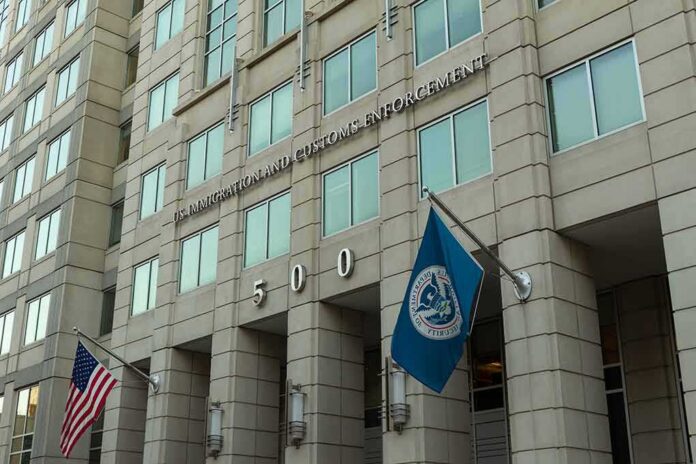
The Department of Homeland Security inspector general found that Immigration and Customs Enforcement cannot always monitor the location and status of unaccompanied children after transfer or release. That means some minors drop out of view, and the government does not know where they live or if they attend court. The finding does not prove trafficking in each case. It does show the federal system cannot keep basic tabs on the children it processed.
Weak monitoring invites exploitation by bad actors. It also erodes public confidence in border management and the rule of law. When court dates are missed and addresses go stale, the burden shifts to local communities and schools. Conservative readers know what follows: higher costs, strained services, and more cleanup for states and towns. Solid tracking and timely enforcement protect children and taxpayers at the same time.
Congressional Oversight Alleges Obstacles to Trafficking Probes
A Senate committee statement said the Office of Refugee Resettlement did not fully comply with many subpoenas and requests tied to suspected trafficking rings. Investigators at Homeland Security Investigations reportedly did not receive last-known addresses for children and sponsors or details on other household members. These are allegations from a named Senate inquiry, not court findings, but they describe specific records that were allegedly withheld and why that matters to child safety.
If investigators cannot get addresses or household data, they cannot knock on doors or verify welfare. That delay can leave a child in danger and allows criminal networks to move. Conservatives expect agencies to share vital information fast, with clear lines of authority and accountability. Privacy rules must protect children, but they cannot become shields for bureaucratic inaction when kids may be at risk.
What the Evidence Shows—and What It Does Not
The audits and oversight records establish real failures in screening, documentation, and monitoring. They justify firm action to finish background checks before release, track outcomes, and cooperate with law enforcement. The same record does not prove that returning children to home countries is generally safer. The reports compare performance inside the U.S. system; they do not measure harm, crime, or care access after return abroad. Any broader claim goes beyond the current record.
Policy should focus on steps we can verify now. Complete every sponsor check before release. Record results in the file. Make post-release contact within set time frames. Share last-known addresses and household details with investigators on credible leads. These steps defend children, uphold the law, and respect taxpayers. They also align with American common sense: do the basics well, document the work, and act fast when a child’s safety is on the line.
Sources:
npr.org, oig.hhs.gov, congress.gov