
Residents in Warren, Michigan say rapid, mosque-centered land changes are straining streets and local control, and they want neutral rules enforced the same for everyone.
Story Snapshot
- Warren residents tie traffic, parking, and noise stresses to recent religious site conversions.
- A former church became the Al Ihsaan Islamic Center, sparking use, capacity, and parking disputes.
- Citywide crashes rose about 13% from 2010 to 2024, but causation is not proven.
- Police said many vehicles were legally parked and most noise fell outside restricted hours.
Residents Link Local Strain To Site Conversions And Concentration
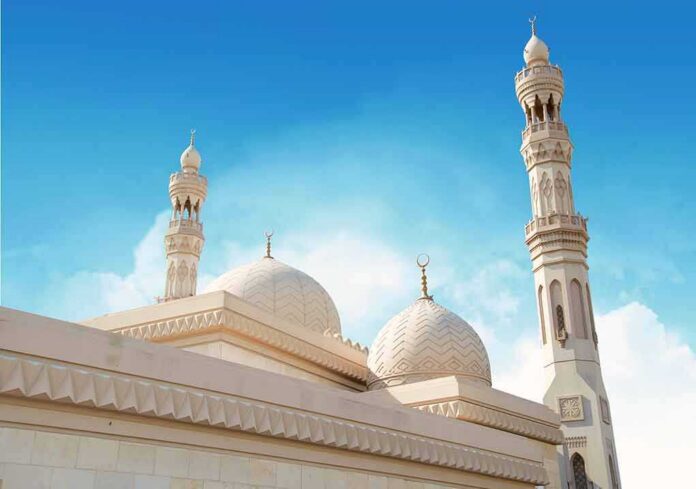
Named Warren residents told reporters that traffic, curb crowding, and neighborhood character shifted as new Islamic institutions opened or expanded. They pointed to the sale and conversion of a longtime church into the Al Ihsaan Islamic Center as a turning point. They also noted several mosques within a seven-mile area, saying the combined draw at peak times overwhelmed narrow streets and driveways. These are first-person claims from neighbors who say they want clear, even-handed land-use rules applied to all sites.
Coverage described a second fight over a plan to convert a residential home into a mosque. Warren City Council rejected the proposal after debate. Reports did not include the full application, vote tally, or transcript, so the public record remains thin. Still, the denial shows that zoning is the active battleground. The dispute is not only cultural. It centers on capacity, parking minimums, and whether homes can be converted to assembly uses on small residential lots.
Traffic, Parking, And Noise: What The Numbers And Officials Say
Fox-cited city data reported 4,086 crashes in 2024 versus 3,607 in 2010, about a 13% rise. The reports themselves caution that the data are citywide and do not prove a link to any single institution or event. National crash trends also rose during that window, which complicates blame. Warren police said officers often found cars legally parked despite heavy volume, and noise complaints mostly fell in daytime hours, outside general restrictions, which narrows enforcement options.
Residents allege blocked driveways, lawn parking, and risky driving near peak prayer times. The reporting, however, does not present call logs, citation histories, or geocoded crash maps to verify frequency or hot spots. That gap fuels frustration on both sides. Neighbors want strict enforcement before someone gets hurt. Worshipers want fair treatment under the same rules as churches and synagogues. Clear records—tows, tickets, and counts—would replace guesswork with facts both sides can accept.
Rights, Rules, And A Pattern Seen Nationwide
Federal civil-rights law protects religious land uses from unequal treatment. The Department of Justice reported that cases involving mosques and Islamic schools made up 38% of its Religious Land Use and Institutionalized Persons Act investigations after 2010, up from 15% in the prior decade. That rise shows a broader pattern: parking and traffic concerns often mask deeper fights over growth, culture, and trust. Neutral rules, applied evenly, are the constitutional path forward.
Dearborn leaders and residents promote diversity as a strength and say different faiths can thrive side by side. They argue Arab and Muslim families contribute through industry and small business and should be welcomed. Warren’s dispute tests how that message meets daily life on tight streets. Fair play demands both: protect worship rights and protect neighbors from real, measured harms. Transparent data and clear enforcement can keep tempers down and safety up.
What Accountability Looks Like For Warren Now
City leaders can order and publish regular traffic counts, curb-occupancy surveys, and sound readings around Friday prayers and major holidays. Police can post anonymized call-for-service and citation data by block and date. Planning staff can review site plans, set event traffic control, and require off-site parking agreements if needed. These steps defend property rights and public safety without targeting faith. They also stop rumors by putting numbers on the table.
President Trump’s administration backs the rule of law and equal protection. That means protecting the right to worship and the right to peace and quiet on your street. Warren’s next moves should reflect that balance. Enforce the code the same for every faith. Publish the metrics. Ticket the violators. Welcome peaceful worship. And make sure working families are not the ones stuck with chaos at the curb. That is how you keep a community safe, free, and fair.
Sources:
sg.headtopics.com, news.ssbcrack.com, foxbangor.com, theyeshivaworld.com, dailymail.com