

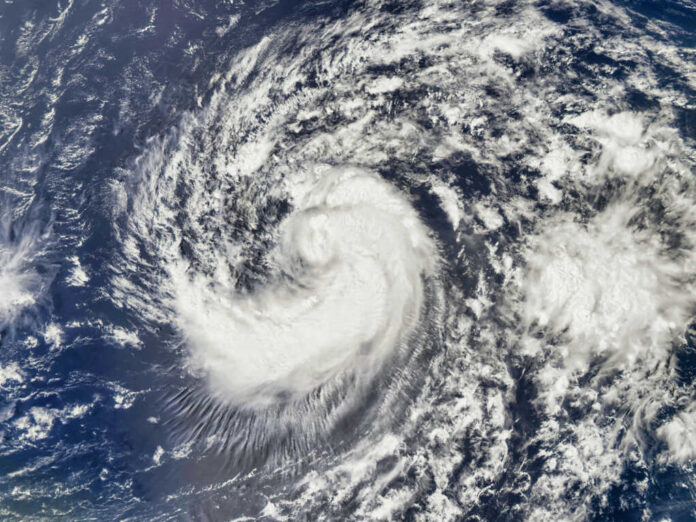
A rare Category 5 super typhoon just slammed tiny American islands in the Pacific, raising hard questions about how Washington protects—and even notices—its most remote citizens when disaster strikes.
Story Snapshot
- Super Typhoon Bavi hit Rota as a Category 5 storm with winds near 180 mph, one of the strongest landfalls ever on U.S. soil.
- Guam and the Northern Mariana Islands saw record rain, extreme wind, and major damage reports, yet no deaths have been confirmed.
- Federal forecasts warned Rota could be “uninhabitable for weeks,” exposing how vulnerable non-concrete homes and local power grids are.
- Media and climate activists are already using Bavi to push global warming narratives, while residents simply fight to rebuild their communities.
Category 5 Bavi slams Rota and batters Guam
Super Typhoon Bavi made direct landfall on the small U.S. island of Rota with sustained winds near 180 miles per hour, placing it firmly in Category 5 territory. The National Weather Service said the western eyewall passed over Rota with “catastrophic winds exceeding 150 mph,” warning of an extremely dangerous, life-threatening situation. Reports from nearby islands backed up the storm’s strength, with wind gusts hitting about 106 mph on Saipan and 100 mph at Guam’s international airport as Bavi’s core tore through the region.
The eye of Bavi moved directly over Rota, leaving the tiny island inside the calm center of one of the world’s most powerful storms for more than an hour. Meteorologists described radar images showing Rota as an “oasis of calm surrounded by a ring of hell” as the eyewall pounded the island on all sides. One report noted this was only the sixth time in recorded history that a Category 5-strength tropical cyclone eye crossed U.S. soil, underscoring how rare and serious this event was for American territory.
Damage, survival, and a fragile infrastructure
Local officials on Rota reported “major damages” after the storm, with early forecasts warning of destructive winds that could leave much of the island uninhabitable for weeks. The National Weather Service said many non-concrete, non-reinforced homes were likely to be destroyed, with total roof failure and wall collapse expected under such extreme wind loads. Power poles and trees were predicted to snap, isolating neighborhoods and causing outages that could last for weeks or even months in the worst-hit areas.
Despite the brutal hit, early reports pointed to a miracle: no confirmed deaths and only minimal injuries across Rota and nearby islands, thanks to days of warning and local preparation. Residents had already been recovering from a major storm earlier in the year, so many knew to secure property, seek shelter, and respect the threat from flying debris and storm surge. Still, the communications network proved fragile, with cell towers knocked out and power down, making it hard to quickly verify the full scope of structural damage on the ground.
Record rain, climate messaging, and federal priorities
Guam took a pounding from Bavi’s outer core, recording more than a foot of rain and setting a new daily rainfall record as streets flooded and became impassable. The National Weather Service forecast totals of up to 20 inches of rain in parts of the region, turning hillsides and low-lying areas into landslide and flash flood zones. Forecasters also warned that Bavi would stay a super typhoon for days as it tracked toward Taiwan and China, keeping the western Pacific on edge as the system moved west.
Thousands Without Power in US Pacific Islands After Super Typhoon Bavi Strikes Rota and Guam – Super Typhoon Bavi made landfall on Rota in the Northern Mariana Islands on July 6, 2026, as a high-end Category 5-equivalent storm with sustained winds of 180 mph (290 km/h). The eye…
— Planet Today (@PlanetTodayNews) July 7, 2026
Major outlets and activists quickly linked Bavi’s intensity to claims about hotter oceans and climate change, framing the storm as proof of a broader crisis rather than focusing on the immediate needs of American citizens in Guam and the Northern Mariana Islands. Government agencies such as the National Weather Service and emergency managers stressed the “catastrophic” risk to secure disaster aid and mobilize federal resources, but that messaging also feeds a familiar pattern where global talking points overshadow questions about hard infrastructure, building codes, and long-term support for these remote U.S. communities.
Sources:
youtube.com, aljazeera.com, nytimes.com, euronews.com