
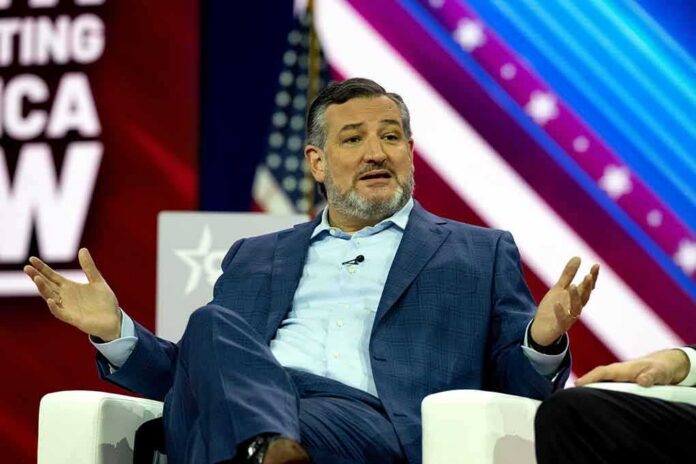
Sen. Ted Cruz says Democrats rode a wave of Trump hatred to power, raising hard questions about what, if anything, they plan to do for working families.
Story Highlights
- Ted Cruz argues Democratic wins were driven by hostility to President Trump, not a clear agenda.
- Democratic leaders claim a mandate on “affordability,” led by health care and cost-of-living ideas.
- Polling showed voters cared most about inflation and costs before the election.
- Political research shows negative voting against the “other side” has grown in recent years.
Cruz’s Charge: Democrats Won on Anti-Trump Fury
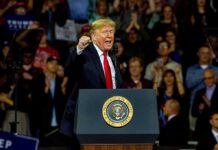
Texas Senator Ted Cruz said Democrats were “energized” by hatred of President Trump and turned that anger into sweeping wins in 2026. Cruz described a “blue tsunami” and a “Watergate-level repudiation,” arguing Democrats triumphed by uniting around opposition to Trump, not by offering a serious plan to govern. He warned Republicans must answer on bread-and-butter issues or watch the left use power to push policies that raise costs and expand government control.
Political research backs part of Cruz’s point. Scholars call it negative voting: choosing mainly to stop the other side. Studies show it affects turnout and vote choice, and has grown in modern elections. That pattern fits what Cruz described. Voters on the left did not need to love a program. They only needed to despise Trump enough to vote against his allies. That dynamic can deliver wins but leaves governing tests to come.
Democrats Claim a Cost-of-Living Mandate
Democratic leaders say they did run on ideas and will start with affordability. Reports list plans to restore larger health insurance subsidies under the Affordable Care Act and reverse Republican Medicaid cuts. Leaders also floated expanding drug price negotiations, shielding medical debt from credit reports, and adding dental, vision, and hearing coverage to Medicare. House leadership also named gas, groceries, and housing as day-one priorities. These are concrete promises, not just slogans.
Polls right before the election showed voters ranked inflation and the cost of living as their top concern, ahead of threats to democracy and immigration. That evidence supports Democrats’ claim that affordability resonated with voters. The focus on health costs and family budgets matches what many Americans feel. Families crushed by higher prices need relief now, not years from now. The question is whether the Democratic plan reduces costs or shifts them onto taxpayers.
The Real Test: Will Policies Lower Prices or Expand Bureaucracy?
Health subsidies can hide prices instead of cutting them. Restoring larger subsidies lowers what some pay at checkout but raises the bill for taxpayers. Expanding federal drug negotiations beyond government programs risks fewer choices and slower access to new cures. Adding more benefits without reforming waste can drive premiums higher or deepen deficits. Democrats promise cheaper care, but their tools look like more federal control, more spending, and more red tape.
Conservatives should press a simple measure: do families pay less next year, with more choice, and without new taxes or mandates? Policies that expand competition, boost price transparency, curb hospital monopolies, and end hidden middleman fees can cut costs without growing Washington. That path protects freedom and strengthens the doctor-patient relationship. Voters did not ask for a bigger bureaucracy; they asked for lower bills and a fair shake.
What Negative Voting Means for 2028
Negative voting can win elections, but it does not pay a mortgage. If Democrats govern on anger at Trump instead of results, families will notice. If prices fall, they will claim a mandate. If prices rise or choice shrinks, the backlash will be fast. Research shows negative partisanship is rising, but outcomes still hinge on real-life costs at the kitchen table. That is where this fight will be settled—on receipts for gas, groceries, rent, and premiums.
🚨🇺🇸 Republicans might lose the House and Senate tonight… and Ted Cruz is warning that the real victims will be DATA CENTERS😅
With exit polls showing 65% of voters saying the economy got worse and gas sitting above $4, Cruz’s message on election night was that Democrats think…
— Mario Nawfal (@MarioNawfal) November 4, 2026
President Trump’s team will keep pressing for American energy, secure borders, and leaner government to fight prices. That contrast matters. Energy abundance lowers utility and transport costs. Safe borders protect wages and reduce strain on services. Spending restraint helps tame inflation. Readers should demand clarity: fewer talking points, more receipts. If Democrats’ agenda is more control and more cost, expect voters to answer in 2028 with more than frustration—they will vote their bills.
Sources:
ca.news.yahoo.com, star-telegram.com, axios.com, nbcnewyork.com, pwc.com, usatoday.com