
President Trump’s crackdown on pharmaceutical advertising delivers a direct blow to misleading drug ads, promising stronger protections for consumers.
Story Highlights
- President Trump signed a memorandum ordering stricter transparency for pharmaceutical ads, targeting social media and digital platforms.
- Federal agencies, notably HHS and FDA, are tasked with enforcing new rules requiring full safety disclosures in all drug advertisements.
- Pharmaceutical companies must quickly adapt to avoid penalties, while social media platforms face new compliance burdens.
- The directive aims to restore consumer trust and curb misleading drug marketing, marking a sharp shift in regulatory enforcement.
Trump’s Memorandum Targets Drug Ad Transparency
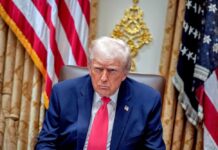
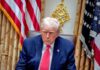
On September 9, 2025, President Donald Trump signed a pivotal memorandum directing the Department of Health and Human Services (HHS) and the Food and Drug Administration (FDA) to intensify oversight of direct-to-consumer pharmaceutical advertising. This action specifically targets online and social media ads, responding to widespread concerns about incomplete or misleading drug information that has proliferated in the digital age. The directive mandates that pharmaceutical companies provide comprehensive safety disclosures, marking a clear federal stance against deceptive marketing tactics.
Trump signs memorandum pressuring pharma companies to abide by ad laws Source: ABC News https://t.co/zdH4hutKGQ
— Daniel Nassif (@dannassif) September 10, 2025
Background: The Rise and Risks of Digital Drug Advertising
Direct-to-consumer (DTC) pharmaceutical advertising has been a controversial fixture in American healthcare since the 1990s. Historically, the FDA required that drug ads disclose both risks and benefits, but enforcement lagged as advertising shifted from television to digital and social media platforms. In recent years, pharmaceutical companies have used targeted online ads to reach millions, often omitting crucial safety information. Congressional efforts to tighten ad rules have repeatedly stalled, leaving consumers exposed to marketing that sometimes prioritizes profits over patient safety. Trump’s memorandum comes amid rising public demand for accountability and transparency in healthcare marketing.
Watch: Trump Cracks Down on Misleading Pharma Ads: New Enforcement Targets Social Media
Key Stakeholders and Power Shifts
The memorandum places federal agencies in the spotlight, with HHS Secretary Robert F. Kennedy Jr. and FDA officials leading implementation and enforcement efforts. Pharmaceutical companies now face heightened scrutiny, needing to overhaul ad campaigns and ensure regulatory compliance. Social media platforms, which serve as major distribution channels for drug ads, must adjust their policies to accommodate new federal requirements, balancing business interests against legal risk. The Trump administration positions itself as a champion of consumer protection, seeking to curb the influence of big pharma while empowering federal watchdogs.
Immediate Developments and Industry Response
Following Trump’s order, HHS and FDA began an expedited review of existing pharmaceutical advertising practices, with new transparency guidelines under development. Initial statements from agency leaders emphasize a zero-tolerance stance on incomplete disclosures and pledge robust enforcement. Pharmaceutical companies are assessing their advertising strategies to avoid regulatory penalties, while lobbyists warn of increased compliance costs and potential reductions in ad effectiveness. Social media giants face pressure to revise ad acceptance policies, anticipating both financial and operational impacts. The administration’s aggressive timeline reflects a commitment to prompt, visible results—a hallmark of Trump’s policy style.
Impact on Consumers, Industry, and the Political Landscape
In the short term, the crackdown is expected to reduce misleading drug ads and improve public access to accurate safety information, benefiting consumers and advancing public health literacy. Pharmaceutical companies incur new compliance costs and reputational risks, while social media platforms may see shifts in advertising revenue. Politically, the move bolsters the administration’s reputation for decisive action, reinforcing promises to safeguard American families from corporate and regulatory abuses. Long-term, the memorandum may set a precedent for future digital advertising reforms, influencing broader standards in other regulated industries and sparking global debate on pharmaceutical transparency.
Sources:
Trump announces crackdown on pharmaceutical advertising
HHS press release: Drug ad transparency
CBS News: Executive action and stakeholder response