An Iranian soldier faces execution for refusing to fire on unarmed civilians—a chilling reminder that authoritarian regimes punish conscience as harshly as treason.
Story Snapshot
- Javid Khales, a young Iranian soldier, sentenced to death for refusing orders to shoot protesters during January 2026 nationwide unrest
- Case exemplifies Iranian regime’s systematic use of summary trials and extrajudicial punishment to intimidate military personnel and civilians
- Death sentence issued amid broader crackdown involving tens of thousands of arrests, internet shutdowns, and reports of thousands killed in streets
- Human rights observers warn lack of transparency and swift judicial proceedings mirror historical patterns of “judicial massacres”
Soldier’s Refusal Sparks Death Sentence
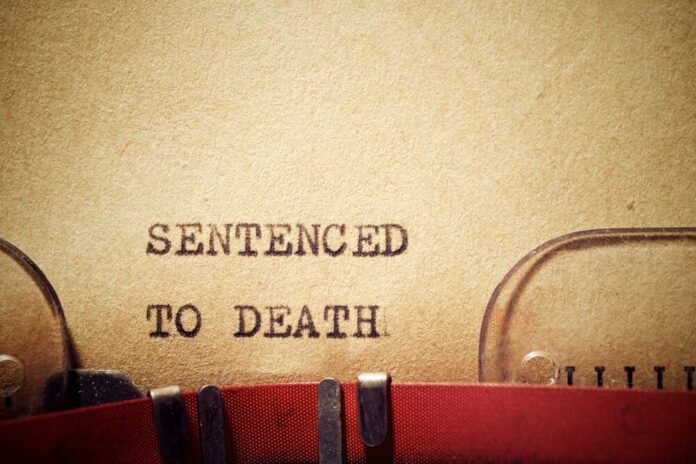
Javid Khales made a fateful decision during January 2026’s nationwide protests that would cost him his freedom and potentially his life. When ordered to fire upon unarmed protesters in the streets, the young Iranian soldier refused. His act of conscience—choosing not to kill civilians—resulted in immediate arrest and transfer to Isfahan Prison, where authorities swiftly sentenced him to death. This stark punishment reveals how the Iranian regime treats military personnel who exercise moral judgment, prioritizing blind obedience over humanitarian restraint during civil unrest.
Iran soldier sentenced to death for refusing to shoot protesters, human rights group says https://t.co/Pi6lBVAnHk pic.twitter.com/iGHFjwcho7
— New York Post (@nypost) January 20, 2026
Regime’s Pattern of Judicial Terror
The death sentence against Khales fits within a documented pattern of Iran’s weaponization of capital punishment as political control. Iranian judiciary officials publicly committed to “decisive, deterrent, and swift” responses targeting protest-related arrests, with Tehran’s prosecutor emphasizing cases must reach verdicts in the shortest possible time. Human rights observers identify this language as echoing previous periods when promises of rapid justice led to hasty, extrajudicial rulings. The “No to Executions Tuesdays” campaign, now in its 104th week with hunger strikes continuing in 56 prisons nationwide, demonstrates sustained domestic opposition to this systematic abuse of judicial authority for political intimidation.
Protest Crackdown Claims Thousands
Khales’s refusal occurred within a brutal environment where security forces actively deployed lethal force against civilians using military weapons, with reports indicating thousands killed in the streets during January 2026 protests. The regime implemented widespread internet shutdowns to prevent coverage of the crackdown while conducting mass arrests of tens of thousands across various cities. Many detainees face detention without legal representation or access to fair trials, held in conditions that human rights organizations characterize as deliberately designed to instill fear. This systematic approach reflects authoritarian governance that treats peaceful protest as existential threat requiring overwhelming military response.
Transparency Void Raises Grave Concerns
As of late January 2026, no precise information exists about Khales’s case details, judicial process, formal charges, or current condition. This information blackout represents policy rather than oversight—a calculated effort to conceal realities and prevent public reaction, according to human rights analysts. The lack of due process, combined with the judiciary’s public commitment to rapid verdicts, suggests predetermined outcomes rather than independent judicial review. This opacity violates basic principles of justice and transparency that Americans recognize as fundamental protections against government overreach and tyranny.
Implications for Military and Society
The death sentence establishes a chilling precedent with far-reaching implications. Military personnel now face execution for refusing potentially unlawful orders to kill civilians, creating pressure to comply or face capital punishment. This undermines institutional trust and moral authority within Iran’s armed forces while deepening divisions between state security apparatus and civilian population. For protesters and civil society, the case intensifies fear of state repression while potentially galvanizing opposition movements. Human rights observers emphasize that any delay in domestic and international responses places lives at immediate risk and could enable repetition of judicial massacres.
Sources:
Iranian Authorities Sentence Soldier to Death for Refusing to Fire at Protesters – Iran Focus
Radi Farin – Death Sentence Report
No to Executions Tuesdays Campaign Continues in Iran’s Prisons – Iran Focus