

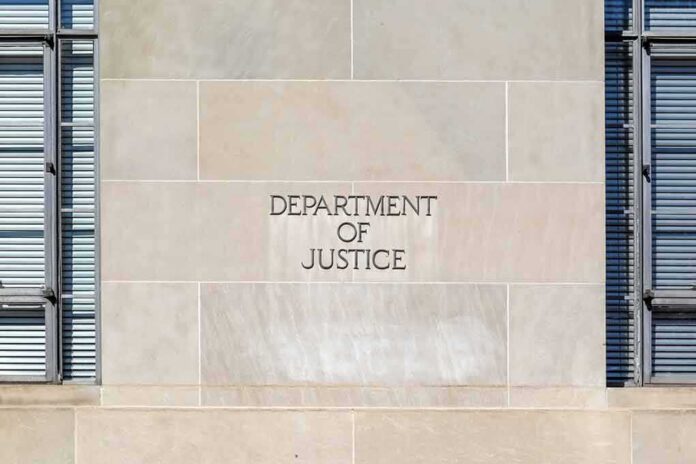
A House Oversight report says federal failures let Jeffrey Epstein keep abusing girls long after authorities could have stopped him.
Story Highlights
- House Oversight report faults federal prosecutors for a secret 2007 deal that sidelined victims.
- Report urges the Department of Justice to reinterview key witnesses and pursue associates.
- Scholars say the secret deal kept survivors in the dark and limited accountability.
- Republican leaders say survivors must not be gagged by nondisclosure agreements.
Report Finds Decades of Missed Chances to Stop Abuse
House Oversight Committee staff released a detailed report on how federal authorities mishandled the Jeffrey Epstein and Ghislaine Maxwell cases. The report describes a pattern of missed leads, poor coordination, and a secret 2007 non-prosecution agreement. That agreement let Epstein avoid federal charges in exchange for lesser state counts. Survivors were not properly told about the deal, which cut them out of key rights under federal law.
Committee leaders say these failures had real victims. They argue more crimes after 2005 could have been prevented if prosecutors had acted and informed the survivors in time. The report points to federal decisions that narrowed the case and slowed broader action. It frames the 2007 deal as the hinge point where the system put secrecy over public safety and over the rights of girls who were being harmed.
Secret 2007 Deal Put Survivors in the Dark
Legal analyses support the report’s claim that the 2007 agreement was secretive and harmful to victims’ rights. Scholars have documented how federal prosecutors negotiated the deal while keeping survivors uninformed. That move denied them a chance to confer with prosecutors and seek justice in open court. The deal shaped the next decade, limiting accountability and weakening trust in the justice system’s duty to protect children.
The deal’s terms were unusual. Epstein pleaded to two state offenses, avoided federal trial, and kept much of the case out of public view. This outcome meant less scrutiny of his network and fewer chances to follow the money and the enablers. The Senate Finance Committee’s work later described how Epstein’s post-2008 business ties and funds moved, underscoring why transparent prosecution matters for tracing criminal support.
Next Steps: Interview Witnesses, Follow the Money, Protect Speech
The report calls on the Department of Justice to interview or reinterview key witnesses, reexamine associates, and share unredacted records with survivors. It urges a full review of who helped Epstein and how they did it. It also pushes Congress to ensure nondisclosure agreements never silence claims of child sex abuse, so victims can speak and investigators can act without fear of legal threats.
This focus lines up with recent court views that gag orders tied to child sex abuse should not bar truth-telling. Lawmakers say free speech for survivors is part of equal justice. They argue secrecy serves predators and institutions that failed, not families. Protecting that speech also supports parents’ rights and community safety. It tells predators and their helpers that backroom deals will not hide the facts anymore.
Political Crossfire and Clear Limits
Republican leaders on the committee say some denials by Epstein associates strain belief, and they fault institutions that ignored red flags. Democratic members call parts of the work incomplete. Both sides agree survivors were failed, but they differ on how far the record reaches today. The report centers on documented prosecutorial failures and concrete next steps, not on broad claims beyond the evidence.
🚨 BREAKING: The U.S. House Oversight Committee has released a major investigative report exposing decades of failures by federal authorities in the Jeffrey Epstein and Ghislaine Maxwell cases.
The 15-month investigation details how Epstein cultivated relationships with powerful…
— Sophie B (@sophie_bpage) November 11, 2026
President Trump’s administration now oversees the Department of Justice and must execute the follow-up. That means reinterviewing witnesses, investigating alleged enablers, and turning over records to survivors. For conservative readers, the stakes are simple: no more secret justice, no more gagging victims, and no more federal shrug. Equal justice under the law requires transparency, limited but accountable government, and firm protection of families and children.
Sources:
facebook.com, oversight.house.gov, christophbluth.substack.com, dc.law.utah.edu