President Trump’s deployment of federal forces to Baltimore exposes the dangerous clash between constitutional law enforcement and local leaders.
Story Highlights
- Trump authorizes National Guard deployment to Baltimore despite local Democratic opposition
- Maryland Governor and Baltimore Mayor reject federal assistance, claiming crime rates are declining
- Legal challenges emerge over federal authority and Posse Comitatus Act violations
- Police groups warn that soft-on-crime policies undermine public safety and officer morale
Trump Takes Action Where Local Leaders Failed
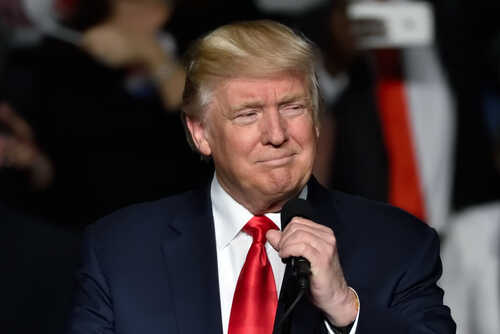
President Donald Trump announced National Guard deployment to Baltimore after labeling it one of America’s most violent cities. Trump declared Baltimore “so far gone” that federal intervention became necessary to restore order. This decisive action fulfills campaign promises to use federal authority in cities where local leadership has failed citizens. The deployment represents Trump’s commitment to law and order.
Watch: Trump ordering National Guard to Baltimore in crime prevention effort
Democratic Officials Resist Federal Law Enforcement Support
Maryland Governor Wes Moore and Baltimore Mayor Brandon Scott immediately opposed Trump’s intervention, claiming federal assistance was unnecessary. Moore rejected what he called “performative militarization,” instead announcing a state police surge focusing on evidence-based approaches. Scott argued that crime reduction efforts were already working and federal help should focus on funding rather than troops. This resistance exemplifies how Democratic leaders prioritize political opposition over accepting help that could save lives.
Trump storms most violent US city with federal muscle as police group warns of soft-on-crime consequences https://t.co/RolhxmDGB7 #FoxNews
— Julie Christian (@jchristian61) October 15, 2025
Legal Battles Threaten Federal Authority
Federal deployment faces legal challenges citing the Posse Comitatus Act, which restricts military involvement in domestic law enforcement. Recent court rulings have questioned unauthorized troop deployments, creating constitutional tensions between federal and state authority. Legal scholars warn these challenges could set dangerous precedents limiting presidential power to protect American citizens. The disputes highlight how legal technicalities are being weaponized to prevent effective crime-fighting measures.
Police Groups Sound Alarm on Soft-on-Crime Consequences
Law enforcement unions warn that soft-on-crime policies promoted by Democratic leaders undermine deterrence and officer safety. While local officials claim Baltimore has reached historic crime lows, police groups argue that data manipulation and selective reporting mask ongoing violence.
Trump’s federal deployment strategy extends beyond Baltimore to Chicago and other cities, establishing precedent for constitutional law enforcement in areas where local leadership fails. The administration’s willingness to override local political resistance shows commitment to protecting American citizens regardless of partisan opposition from Democratic mayors and governors.
Sources:
Moore announces police surge in Baltimore as Trump threatens National Guard ‘occupation’
President Trump threatens to send National Guard to Baltimore to address crime
2025 deployment of federal forces in the United States