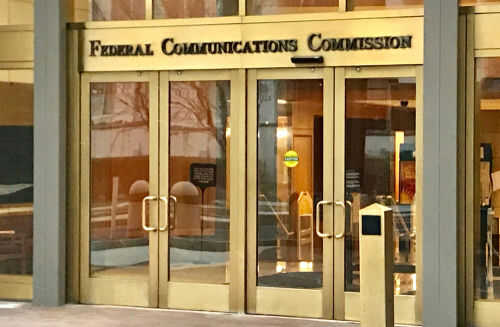
FCC Chairman Brendan Carr’s unprecedented attempt to revoke a 24-year exemption for “The View” has sparked a constitutional showdown that exposes how government regulators may be weaponizing broadcast rules to silence critics of the Trump administration.
Story Snapshot
- ABC filed a 52-page petition challenging FCC Chairman Brendan Carr’s threat to revoke “The View’s” longstanding news exemption from equal time rules
- Carr’s actions have created a chilling effect across broadcast networks, with CBS reportedly canceling a political candidate interview due to regulatory uncertainty
- Constitutional experts warn the FCC’s tactics violate First Amendment protections against government coercion of private speech suppression
- The dispute centers on whether political talk shows qualify as legitimate news programming or must provide equal airtime to all candidates during the 2026 midterm elections
Regulatory Power Play Threatens Press Freedom
The Federal Communications Commission granted “The View” a bona fide news program exemption in 2002, allowing the show editorial discretion in booking political guests without triggering equal time obligations. For 24 years, this exemption went unchallenged. In January 2026, Chairman Carr issued new guidance claiming daytime and late-night shows should not presume exemption from equal time requirements. This guidance created immediate uncertainty among broadcasters about compliance obligations, with no formal rulemaking process or clear standards provided to the industry.
In April 2026, the FCC ordered ABC’s Houston affiliate KTRK-TV to file a formal request regarding “The View’s” exemption status after booking Texas senatorial candidate James Talarico. This order directly contradicted the 2002 FCC decision. Simultaneously, CBS reportedly squelched an interview with the same candidate on Stephen Colbert’s program due to Carr’s guidance. The pattern suggests coordinated regulatory pressure targeting broadcast content critical of the administration, raising serious concerns about government interference in editorial decisions during an election cycle.
Constitutional Crisis Brewing Over Government Coercion
ABC’s May 8 petition argues that Carr’s actions violate the principle established in Bantam Books v. Sullivan that “officials may never use the threat of adverse government action to coerce a private party into punishing or suppressing disfavored speech.” Constitutional scholars point to parallel incidents, including Carr’s reported threat regarding license renewal difficulties if ABC didn’t remove Jimmy Kimmel following controversial comments. This represents exactly the kind of government coercion the First Amendment prohibits, using regulatory power to suppress dissenting voices rather than neutral law enforcement.
The FCC defended its position by claiming the equal time law “encourages more speech and empowers voters to decide the outcome of elections.” However, the agency’s response failed to address ABC’s core constitutional concerns. The timing proves particularly troubling, as the 2026 midterm elections approach and voters need maximum access to diverse political information. ABC’s filing warns that “uncertainty as to the scope of broadcast licensees’ editorial discretion threatens to limit news coverage of political candidates and chill core First Amendment-protected speech for years and potentially decades to come.”
Chilling Effect Spreads Across Broadcasting Industry
The immediate impact extends far beyond “The View.” Networks are self-censoring political content to avoid regulatory scrutiny, with broadcasters consulting legal counsel on compliance strategies rather than making editorial decisions based on journalistic judgment. Smaller broadcasters prove particularly vulnerable to this regulatory pressure, as they lack the resources to mount legal challenges against federal agencies. The result is exactly what the First Amendment seeks to prevent: government officials using their regulatory authority to suppress criticism and control the flow of political information to American voters.
“Brendan Carr's 'Equal Time' Threat Against The View Is Blatantly Unconstitutional, ABC Says”#MAGA &Trump have become what they once said they opposed. Now embrace “Fairness Doctrine” because Dumb Donny gets his feelings hurt. @GOP https://t.co/lqbR5LYa1N
— Hickory (@OldRedCedar) May 11, 2026
This controversy illuminates a broader problem that frustrates Americans across the political spectrum: unelected bureaucrats wielding enormous power over our daily lives with minimal accountability. Whether you support or oppose Trump, the principle remains clear: government regulators should not have unchecked authority to punish media outlets for their editorial choices. The FCC’s actions represent the kind of regulatory overreach that threatens the fundamental freedoms our republic was built to protect, regardless of which political party controls the levers of power.
Sources:
Politico – ABC, Disney Challenge FCC Brendan Carr on Political Speech
Divided Argument – Did Brendan Carr Violate the First Amendment?