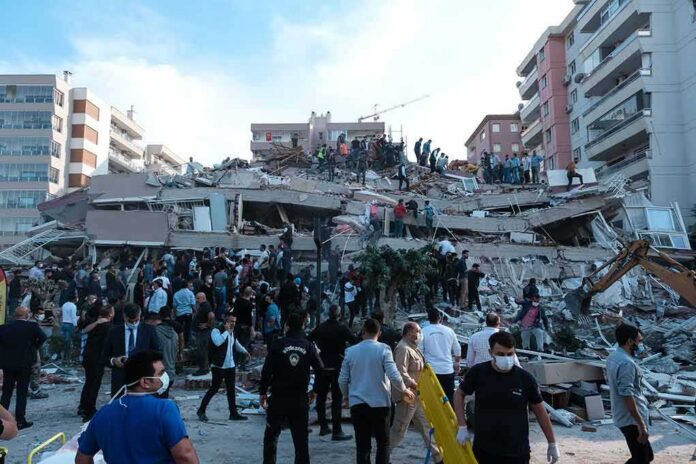
As Palestinians in war‑torn Gaza mark Eid by saying “we’re dead people,” the images of wrecked families and shattered traditions are being used to pressure Washington and its allies while side‑stepping who bankrolled this disaster and what it means for American security, spending, and values.[2]
Story Snapshot
- Eid in Gaza is marked by grief, hunger, and destruction, with many saying there is “no joy” left in the holiday.[2]
- Despite the war, Palestinians still gather for Eid prayers and small rituals, showing that religious life continues under fire.[3][4]
- Foreign media frame Gaza’s Eid almost entirely through suffering, while rarely asking who funds the war or how aid is tracked.[2]
- For American conservatives, the crisis raises hard questions about endless foreign entanglements, accountability for aid, and protection of our own borders and traditions first.
Grief‑Stricken Eid in Gaza: “We’re Dead People”
Television crews describe Gaza’s Eid as a holiday lived among rubble, tents, and fresh graves, with residents saying there is “no joy” because entire families have been wiped out.[2] Reports show people marking one of Islam’s holiest days while facing war, severe hunger, and the loss of homes and livelihoods, with some saying they feel like “dead people” simply going through motions.[2] Video segments highlight parents who sacrificed children, not animals, and elders who say there is nothing left to celebrate.[2]
News packages from international outlets show destroyed slaughterhouses, displaced families, and food lines where meat for the traditional sacrifice is either unaffordable or physically unavailable.[2] In some clips, residents say previous Eids were filled with visits, sweets, and new clothes for children, but now they spend the day searching for bread and clean water.[2] One narrative repeats across channels: war has emptied Eid of its normal joy, leaving a day of remembrance, anxiety, and survival instead of feasting.[2]
Prayer, Ritual, and the Determination to Keep Eid Alive
Even under bombardment, Gazans are still turning out for Eid prayers in streets, makeshift lots, and damaged mosques, showing that public worship continues despite the danger.[3] A Truthout report notes that, when mosques were destroyed or unusable, residents shifted to small open‑air spaces, streets, or tents to perform the Eid prayer. Coverage of Eid al‑Fitr in Gaza City shows men, women, and children standing shoulder‑to‑shoulder on prayer mats, marking the end of Ramadan even as the war drags on.[3]
Independent reporting from sources like Unicorn Riot captures displaced families in Gaza’s Tel al‑Hawa neighborhood gathering for Eid prayers and small celebrations.[4] Their coverage describes the day bringing “relief and joy, but lingering pain of war remains,” summing up a mix of smiles and trauma in the same crowded courtyards.[4] Families try to preserve core rituals such as greeting neighbors, giving small treats to children, and visiting loved ones, even when homes are gone and many relatives are missing or buried.[4]
How Media Frames Gaza’s Eid, and Why Americans Should Care
Reports on Gaza’s Eid lean heavily into heartbreaking scenes of suffering, which are real, but they also fit a familiar pattern in war coverage where grief is amplified while ordinary acts of faith receive less attention.[2][3][4] Analysts note that phrases like “there is no Eid in Gaza” capture the collapse of normal holiday life but can obscure the fact that prayer, greetings, and modest gatherings still continue under extraordinary pressure.[2][3][4]
Palestinians in Gaza mark a third Eid under war-like conditions, amid shortages of food and little cause for celebration https://t.co/XzetWo0uNT pic.twitter.com/tN8bbP1lkc
— Al Jazeera English (@AJEnglish) May 27, 2026
For American conservatives watching this from thousands of miles away, the story raises questions that legacy media rarely addresses: who is funding which side, how is humanitarian aid monitored, and why are Washington and European capitals willing to police borders abroad while leaving America’s own border and budget in chaos.[2] As Gaza’s families wrestle with war on a holy day, many here at home see another example of why the United States must insist on accountability for foreign aid, avoid open‑ended entanglements, protect our own people first, and defend the right of every community—including ours—to worship, raise families, and celebrate sacred days without fear.[2][3][4]
Sources:
[2] Web – Eid in Gaza Displays Palestinians’ Profound Loss – Truthout
[3] YouTube – Gaza’s Eid Al-Adha Overshadowed By War, Hunger And Devastation
[4] Web – Palestinians celebrate Eid in Gaza, making the most of a fragile …