

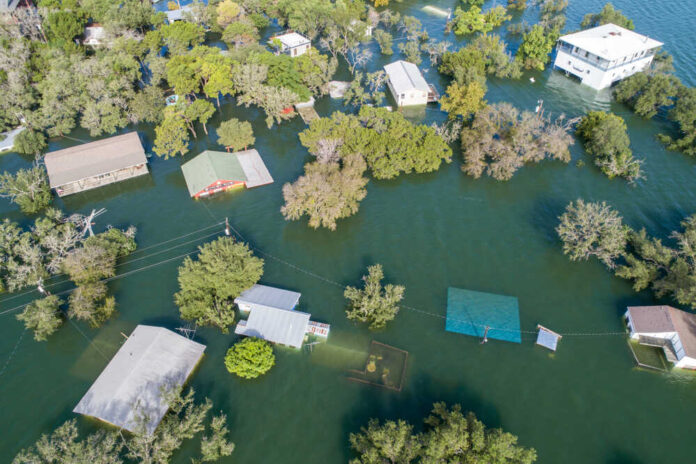
Death and devastation swept through Central Texas, but the real tragedy is how bureaucratic failure, government shortsightedness, and a chronic allergy to common sense left families defenseless as the floodwaters rose.
At a Glance
- 121 dead and more than 166 still missing after catastrophic flash floods in Central Texas, July 2025
- Early warning systems failed to protect rural communities and summer camps, including Camp Mystic, with 27 fatalities
- Floodwaters rose over 26 feet in less than an hour, overwhelming local emergency infrastructure
- Longstanding calls for better land-use planning and robust alert systems were ignored, leaving citizens to pay the ultimate price
When Government Promises Protection, but Delivers Excuses
Central Texas, known as “Flash Flood Alley,” has seen its share of heartbreak. But what unfolded along the Guadalupe River this July was not just a “natural disaster”—it was a man-made catastrophe dressed up in the language of tragedy. From July 4th to 7th, a deluge of up to 20 inches of rain pummeled the Hill Country, transforming tranquil creeks into raging rivers in minutes. In Hunt, the Guadalupe shot up by 26 feet in just 45 minutes, erasing any chance for families and campers to escape.
🚨 Horrific Texas Floods Claim Lives, Including Children — Kerrville in Crisis #TexasStrong
Key Facts:
◉ As of July 10, 2025, at least 120 people have died across Central Texas after catastrophic flash flooding, with roughly 161–173 still missing.
◉ Kerr County suffered the… pic.twitter.com/h7qedpjTrk
— GlobalWire (@global_wire_) July 10, 2025
The so-called “early warning systems” that bureaucrats are forever congratulating themselves about? They failed. Camps like Mystic, built on the floodplain with barely a nod to regulation, had no meaningful evacuation plan. Families trusted their children to these institutions, and the result is a death toll not seen since the Big Thompson flood in 1976. The government, for all its spending, can’t seem to buy a siren or enforce the kind of basic land use rules that would have kept kids and counselors out of harm’s way. Instead, the only thing that rose faster than the river was the chorus of excuses from local and state officials.
Watch a report: As Texas flooding victim searches continue, questions about early warning system emerge
A Familiar Chorus: Prayers, Declarations, and Political Theater
Once the bodies had begun to surface and the scale of the loss became undeniable, the ritual began. Governor Greg Abbott declared a disaster and called for a day of prayer. President Trump signed off on a federal disaster declaration, pledging “robust federal aid” and promising a visit to the devastated communities. Hundreds of first responders poured into the chaos, performing heroic rescues and grim recoveries amid debris and shattered lives. But for families in Hunt, Kerr County, and the countless rural outposts washed out by bureaucratic neglect, these gestures were cold comfort.
Search and rescue efforts, involving over a thousand personnel, continue to turn up both miracles and heartbreak. The official death toll stands at 121 as of July 11th, but the real number—like the water level—continues to rise. Over 150 helicopter rescues have been performed, and the National Weather Service’s warnings remain in effect as the ground remains saturated and unstable. The devastation is total: homes and infrastructure erased, entire camps swept away, communities left to count their missing and grieve their dead.
The Cost of Ignoring Common Sense: Policy, Pain, and the Price of Inaction
The Hill Country’s vulnerability is no secret. Hydrologists, meteorologists, and even the most casual observer have warned for decades that this region is a ticking time bomb for flash floods. Yet, state and local governments have consistently refused to invest in robust early warning systems, even as development sprawled across known floodplains. Camps and subdivisions sprang up with little oversight, their residents and guests left at the mercy of the next downpour. The result? Mass casualties, psychological trauma, and a community left to pick up the pieces—again.
Experts and survivors alike are asking the hard questions: Why are rural areas still without reliable alert systems? Why are floodplain regulations so lax that summer camps can operate in the direct path of disaster? Why is the conversation always about how much warning is “affordable” and never about the actual value of a human life? The usual suspects—underinvestment, bureaucratic inertia, and a misplaced faith in government promises—are already lining up to “study the problem” while families bury their dead.