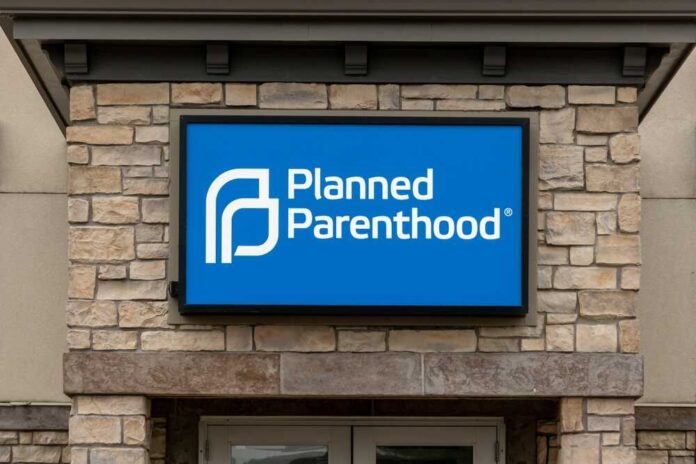
Congress just slammed the brakes on Medicaid funding for Planned Parenthood, igniting a legal and political showdown that could reshape how your tax dollars are spent on abortion providers—and what happens next will decide whether the nation finally stops bankrolling the world’s biggest abortion business.
At a Glance
- Congress passed a one-year ban on Medicaid funding for Planned Parenthood and similar abortion providers.
- A federal judge issued a temporary restraining order, allowing Planned Parenthood to keep receiving Medicaid dollars—for now.
- The Supreme Court ruled states can exclude Planned Parenthood from Medicaid, giving Congress new legal ammunition.
- The Trump administration defends the law as a victory for taxpayers and the unborn, while pro-abortion groups call it unconstitutional.
Congress Targets Planned Parenthood’s Taxpayer Pipeline
Congress, backed by President Trump, passed a budget reconciliation bill in July 2025 that yanks Medicaid funding from Planned Parenthood and similar organizations for one year.
Some Planned Parenthood locations have stopped accepting Medicaid, the government health insurance program for low-income individuals. President Donald Trump’s “Big, Beautiful Bill,” signed on July 4, immediately cut off Medicaid funding to Planned Parenthood for one year. pic.twitter.com/pr6zNfJsnD
— Straight Arrow News (@StraightArrow__) July 12, 2025
This is not a vague policy tweak—it’s a direct hit on the largest abortion provider in the United States, cutting off Medicaid reimbursements for non-abortion services as well. The law specifically targets nonprofits raking in over $800,000 in annual Medicaid revenue, a category that’s basically tailor-made to ensnare Planned Parenthood’s sprawling network.
The Trump administration calls it what it is: an end to the “forced use of Federal taxpayer dollars to fund or promote elective abortion.” No more taxpayer cash funneled through Medicaid, no more shell games, no more “fungibility” arguments. Pro-life leaders nationwide are calling this a necessary step to finally hold Planned Parenthood accountable and to stop Americans from unwittingly subsidizing abortion through their tax bills. Meanwhile, Planned Parenthood and its allies are predictably apoplectic, screaming that this is a “backdoor abortion ban” and predicting catastrophic consequences for “reproductive health” access.
SCOTUS: States Can Defund Planned Parenthood
Judiciary Intervenes, But the Legal Ground Has Shifted
On July 7, Planned Parenthood ran straight to federal court, filing a lawsuit and claiming the new law is unconstitutional and unfairly targets their organization. Judge Indira Talwani quickly issued a temporary restraining order, buying Planned Parenthood two more weeks of Medicaid reimbursement. But the legal environment is not what it used to be: just days before this lawsuit, the Supreme Court ruled that states have the authority to exclude Planned Parenthood from Medicaid programs. In plain English: Medicaid patients do not have a “right” to choose any provider, and Congress is well within its power to set these rules.
Legal experts like Josh Blackman and Tom Jipping have pointed out the obvious: Congress has the explicit constitutional authority over federal spending, and the judiciary should stop playing referee for every policy dispute. Pro-life groups cheered the Supreme Court’s decision, while pro-choice activists and the usual legal pundits called the ruling “lawless and dangerous,” as if the Constitution guarantees Planned Parenthood a taxpayer-funded business model.
Showdown Over Taxpayer Dollars and National Priorities
For years, Planned Parenthood has collected a windfall in Medicaid dollars, even though the law supposedly prohibits direct federal funding for abortion. The Hyde Amendment has blocked that funding for almost 50 years, but Planned Parenthood’s massive Medicaid reimbursements have kept the gravy train rolling for every other service they offer. Congress has now called their bluff, passing a law that targets the real source of their funding and closes the loophole.
If this law survives its legal challenges, hundreds of Planned Parenthood clinics—especially in rural and underserved areas—could close. Staff layoffs and reduced services will follow, and the left is already wringing its hands about the impact on “essential health services” for low-income patients. But for conservatives, this is a necessary correction: tax dollars should not be propping up organizations that promote or perform abortions, period. If Planned Parenthood and similar groups want to peddle abortion, they can do it on their own dime, not yours.