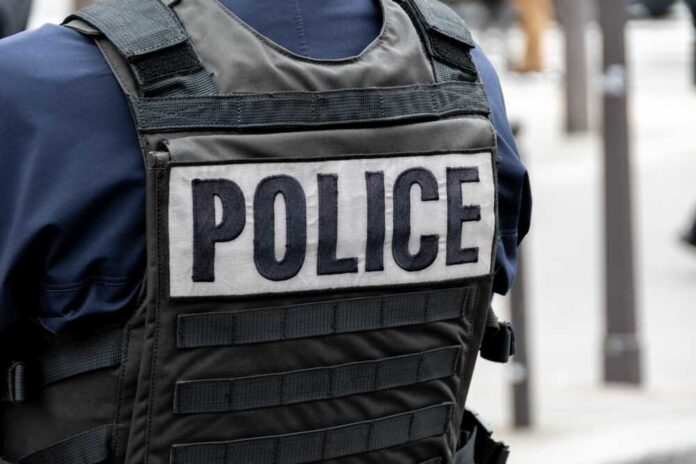
In a contentious clash with federal authorities, three lawmakers were denied access to an ICE facility, stirring a heated debate over congressional oversight.
Story Snapshot
- Omar, Craig, and Morrison denied entry to Minneapolis ICE facility.
- DHS justifies exclusion citing procedural notice requirements.
- Protests erupt following a controversial ICE shooting incident.
- Debate over transparency and oversight of immigration enforcement intensifies.
Lawmakers Denied Entry to ICE Facility
On a tense Saturday in Minneapolis, Representatives Ilhan Omar, Angie Craig, and Kelly Morrison faced an unexpected hurdle when they were denied entry to an ICE facility at the Whipple Federal Building. The denial was justified by the Department of Homeland Security (DHS) due to a lack of a required seven-day advance notice. This incident follows the fatal shooting of Renee Nicole Good by an ICE agent, which has ignited protests across the nation, particularly in Minneapolis where tensions are already high due to past enforcement actions.
The lawmakers, known for their vocal advocacy for immigrant rights, were initially granted brief access before being asked to leave. This move has been seen by many as an obstruction of congressional oversight duties. Rep. Omar, speaking to protesters outside, emphasized the importance of transparency and the constitutional rights of lawmakers to inspect facilities where individuals are detained. The situation highlights ongoing tensions between federal agencies and lawmakers concerning immigration enforcement and oversight.
Watch: https://youtu.be/lVJqwDMaFZ4?si=AHNVkQZh8jA-H9WD
Protests and Public Outcry
The denial of entry to the lawmakers spurred protests not only outside the ICE facility but also in broader Minneapolis. Demonstrators demanded accountability and transparency regarding the shooting of Renee Good. This incident has further fueled the debate on ICE’s practices under the Trump administration, with critics arguing that the agency operates with excessive force and insufficient oversight. The protest atmosphere in Minneapolis is charged, as the city has a history of activism and resistance to perceived federal overreach.
Federal officers deployed crowd-control measures, including pepper balls, to manage the protests, escalating the situation further. The public outcry has intensified calls for more stringent oversight of ICE and its practices, adding pressure on the Trump administration to address these concerns.
Oversight and Transparency Under Scrutiny
The clash at the ICE facility underscores a significant debate over the balance of power between Congress and federal agencies. Lawmakers argue that their constitutional oversight responsibilities are being obstructed by procedural hurdles like the seven-day notice requirement cited by DHS. This incident could set a precedent for future interactions between Congress and federal enforcement agencies, potentially leading to legislative or judicial actions to clarify oversight powers and access rights.
As protests continue and political pressure mounts, the broader implications for immigration policy and enforcement transparency remain significant. Both sides of the debate are entrenched, with proponents of ICE enforcement citing national security concerns, while critics demand accountability and reform. The events in Minneapolis may well influence the national conversation on immigration and federal authority in the coming months.
Sources:
Ilhan Omar joins protest at ICE facility, turned away by federal agents in Minneapolis
Omar, Craig, Morrison denied access to ICE facility in Minneapolis
Minnesota Democrats demand oversight after ICE blocks entry
Minneapolis ICE agent protest over Renee Good shooting