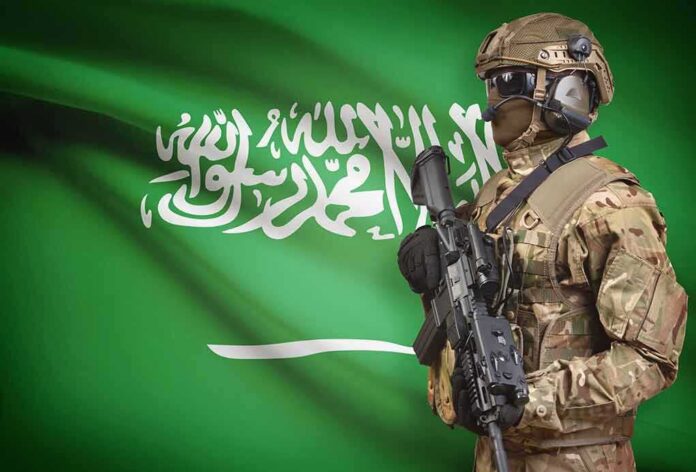
Saudi Arabia says it shot down a Houthi drone near Mecca’s protected airspace and warns that threatening the holy city is a red line.
Story Highlights
- Saudi air defenses destroyed a drone south of Mecca before it entered prohibited airspace.
- Officials called the security of Mecca a “red line” and tied the threat to Houthi forces.
- Wreckage reportedly fell south of the city after the interception.
- Houthi officials denied targeting Mecca and called the claim a lie.
Saudi Statement Details: Time, Place, and “Red Line” Language
Saudi officials released a precise timeline and location for the intercept. The coalition said air defenses engaged the drone at 6:50 p.m. local time on Tuesday and destroyed it before it entered Mecca’s prohibited airspace. The statement framed the incident as an attack on the sanctity of the holy places and warned that such threats cross a “red line.” The formal notice came through the Saudi Press Agency, reflecting an official position with clear language on religious-site security.
Wire services reported consistent operational details. Reports said the drone was taken down south of Mecca and that debris fell in that area after interception. The coalition attributed the launch to Houthi forces across the border in Yemen. The coverage emphasized speed of response and the priority placed on shielding the city from any aerial threat, whether drones or missiles. Those reports align on core facts of a successful intercept near the restricted zone around Mecca.
Conflicting Claims: Houthi Denial Versus Saudi Attribution
Houthi officials denied any intent to target Mecca. One political bureau member called the claim “an outright lie,” and other Houthi-linked statements rejected any threat to holy sites. The contradiction leaves a dispute in the public record. The Saudi account names Houthi responsibility, while the Houthi side rejects it. The available materials include no released radar tracks or debris for independent review, so the debate rests on official claims and denials for now.
Saudi officials linked this event to a prior alleged attempt in 2017, saying this was the second time Houthis tried to target Mecca. That historical frame suggests a pattern of threats aimed near or at sacred sites. It also explains the “red line” language and the firm tone of the warning. The tie to 2017 shows why Saudi defenses treat any approach vector near the city as a serious, non-negotiable security issue for pilgrims and the Two Holy Mosques.
Why This Matters to U.S. Readers: Pilgrim Safety, Air Defense, and Deterrence
Millions travel to Mecca each year, including many Americans. Any drone near that airspace risks panic, injury from falling debris, or worse. Saudi forces acted to prevent that risk and signaled zero tolerance for threats to sacred sites. For U.S. readers who value strong borders and clear rules, the message is familiar: protect critical places, enforce red lines, and deter those who test them. That stance preserves order and shields innocent people from danger.
Saudi Arabia's air defences intercepted and destroyed a Houthi drone south of Mecca on Tuesday before it entered prohibited airspace over the holy city, said a spokesman for the Saudi-led military coalition.
The security of Islam's two holiest sites and of pilgrims was a "red… pic.twitter.com/hUl6G5pNG6
— GDN Online (@GDNonline) September 16, 2026
The record still has limits. The public has not seen radar logs, flight-path data, or photos of the wreckage that would settle launch origin or intended target. That is common in fast-moving air defense incidents. Still, the Saudi statement, the consistent reporting on the intercept south of Mecca, and the “red line” warning present a clear posture: keep hostile drones away from holy ground. The Houthi denial ensures the narrative fight will continue, but the intercept result stands.
Sources:
democrata.es, scmp.com, france24.com, reuters.com, spa.gov.sa