
After Senate Democrats let airport security buckle under a DHS funding standoff, President Trump is sending ICE agents to steady the lines—and force Washington to do its job.
Quick Take
- President Trump said ICE agents will deploy to U.S. airports starting Monday to assist TSA amid a partial shutdown.
- TSA officers have reportedly gone more than a month without pay, triggering call-outs and more than 400 resignations.
- Major airports have seen security waits exceed three hours, raising concerns about reliability and safety during peak travel periods.
- Senate Democrats sought a TSA-focused funding push, while Republicans rejected efforts that sidestep broader DHS funding and enforcement disputes.
ICE Deployment Follows TSA Staffing Collapse During Funding Standoff
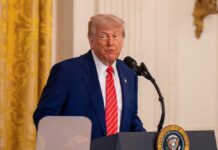
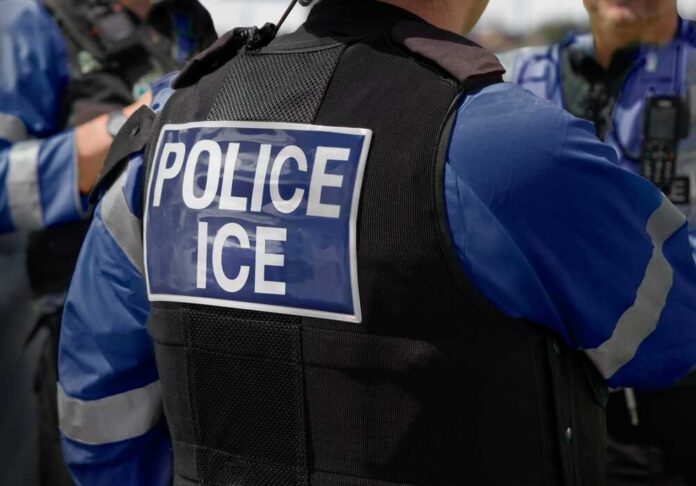
President Donald Trump announced that Immigration and Customs Enforcement agents will head to airports nationwide beginning Monday to assist Transportation Security Administration staff as airport screening operations strain under a partial government shutdown. Trump delivered the message on Truth Social while demanding Democrats agree to fund the Department of Homeland Security. The move comes as essential TSA personnel have reportedly worked for weeks without pay, intensifying staffing shortfalls and traveler delays.
The practical problem is straightforward: airports cannot run normal screening lanes without enough trained bodies on the floor. Reports from multiple outlets describe widespread absenteeism and hundreds of TSA resignations, with some airports experiencing waits of more than three hours. Footage from Philadelphia showed large crowds stacked at choke points leading to checkpoints. The administration’s position is that ICE support can help stabilize operations while Congress fights over funding.
What’s Driving the Shutdown: DHS Funding Leverage and Immigration Demands
The funding dispute centers on DHS money, with Democrats using the shutdown pressure to pursue immigration-related demands as part of negotiations. TSA officers, categorized as essential employees, are required to report even when pay is delayed—an arrangement that can work briefly but becomes untenable as bills pile up. The longer the standoff goes, the more likely airports face cascading disruptions, from missed flights to reduced throughput at security checkpoints.
Senate Democrats attempted a rare Saturday legislative move aimed at funding TSA and other components without resolving the broader DHS dispute. Republicans rejected that approach, opposing funding workarounds that leave immigration enforcement disagreements unresolved. That procedural fight matters because it determines whether Congress addresses the full DHS mission or isolates popular components while sidelining enforcement priorities. For travelers, the immediate question is whether staffing relief arrives before delays worsen further.
Operational Questions: How ICE Fits Into Airport Screening
The administration has not released detailed operational specifics on exactly what ICE agents will do at checkpoints, and that limitation matters for evaluating the plan. TSA screening includes processes and compliance requirements that differ from typical immigration enforcement duties. Even supporters of a tougher border posture can reasonably ask for clarity: Will ICE handle crowd control, document checks, back-end security functions, or other tasks that free TSA officers to focus on screening?
Democratic critics, including Rep. Jimmy Gomez of California, argued that ICE and CBP personnel are not trained for TSA work and warned about potential profiling concerns. Those allegations are, at this stage, more a caution than a documented outcome tied to the deployment, because the plan has not yet played out publicly. Still, the criticism highlights why the administration will need clear rules of engagement, defined roles, and oversight to avoid confusion at checkpoints.
The Human Cost: Essential Workers Without Pay and Travelers in Limbo
Beyond politics, the shutdown has created direct hardship for TSA employees and uncertainty for the public. Travelers interviewed in local reporting described growing wariness about airport operations and skepticism that the system can function when employees go unpaid for a month. That concern tracks with the wave of resignations and sick calls. Conservative voters often argue that Washington’s first duty is basic governance—keeping critical services running—before chasing ideological wins.
Elon Musk publicly offered to cover TSA salaries during the impasse, a striking sign of how visible the disruption has become. But private stopgaps are not a substitute for Congress doing its constitutional job: funding the government, setting policy through legislation, and keeping essential public services functioning. Trump’s ICE deployment may reduce immediate chaos, yet the lasting fix still depends on a DHS funding deal that doesn’t treat airport security and paychecks as bargaining chips.
Sources:
Trump says ICE will deploy to airports Monday to assist TSA amid funding standoff
President Trump ‘To Replace TSA Officers With ICE’ If DHS Funding Continues