A brutal knife-and-chemical rampage inside a Japanese tire factory is raising hard questions about workplace security in a world that keeps getting more dangerous for ordinary workers.
Story Snapshot
- Fifteen workers were injured in a rare knife and chemical attack at a Yokohama Rubber factory in Mishima, Japan.
- A 38-year-old suspected former employee was arrested on the scene for attempted murder after using a survival knife and bleach-like liquid.
- The attack highlights how strict gun control does not eliminate violence, as bad actors simply switch to other weapons.
- Investigators are probing motive, security gaps, and how everyday chemicals were weaponized inside an industrial workplace.
Knife-and-Chemical Assault Shatters a “Safe” Workplace
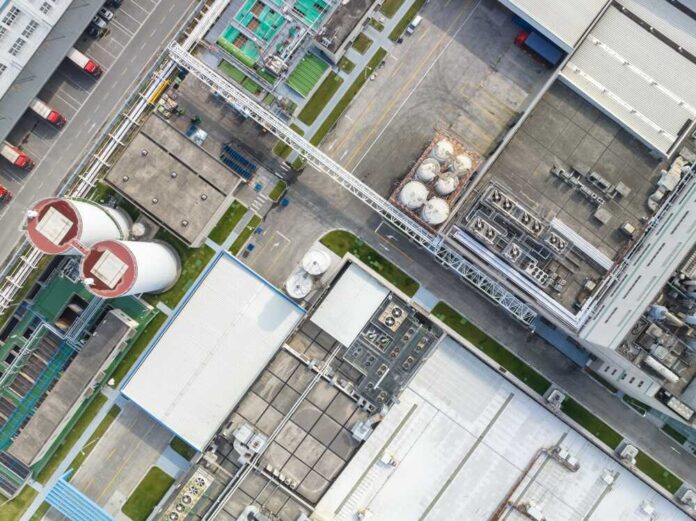
On December 26, 2025, a normal workday at Yokohama Rubber Co.’s tire factory in Mishima, Shizuoka Prefecture, turned into a scene of chaos when a 38-year-old man launched a dual knife-and-chemical attack against plant workers. Emergency calls went out around 4:30 p.m. local time as victims were found stabbed or doused with a bleach-like liquid on the factory floor. The incident immediately drew national and international attention because mass workplace attacks in Japan remain relatively rare.
Responding firefighters and police discovered that eight workers had been stabbed, while seven more suffered chemical injuries from the sprayed or thrown liquid, bringing the total injured to fifteen. At least five of the stabbing victims were reported in serious condition, though all were conscious when transported to nearby hospitals. Authorities quickly secured the scene, began testing the chemical substance, and launched a full criminal investigation into how the attacker moved and operated inside a supposedly controlled industrial environment.
Watch; https://www.youtube.com/watch?v=TZmeA3EKMxg
Suspect, Method, and Early Investigation Details
Shizuoka Prefectural Police arrested the 38-year-old male suspect at the factory on suspicion of attempted murder, ending the immediate threat but leaving major questions unanswered. Media reports, citing investigative sources, say the man is believed to be a former employee of the Mishima plant, though officials have not publicly confirmed employment history or any prior disputes. The suspect reportedly carried a survival knife and wore a gas-mask-like device, suggesting at least some pre-planning rather than a purely spontaneous outburst.
Investigators are now working to determine the precise identity of the chemical used, widely described as a bleach or bleach-like substance commonly available in industrial and household settings. Forensic teams are examining where the substance came from, how it was stored, and whether the suspect accessed materials already on-site or brought them into the plant. These answers will shape any regulatory scrutiny Yokohama Rubber may face, and could drive future recommendations on how factories control potentially dangerous chemicals during day-to-day operations.
Japan’s Tight Gun Laws and the Rise of Substitute Weapons
Japan’s famously low violent crime and strict gun control are central to how this story is being covered, but the facts underline a sobering reality: removing guns from criminals’ reach does not remove violent intent. Recent years have seen several high-profile knife attacks in Japan, mainly in public spaces like trains, streets, and care facilities. The Mishima incident fits that pattern of weapon substitution, but stands out because it unfolded inside a single workplace, with coworkers targeted in a confined industrial setting.
For American readers accustomed to hearing gun control promoted as a one-step solution, the details here are revealing. A determined attacker, allegedly a former insider, exploited access to the facility, used a legally available edged weapon, and weaponized a common cleaning chemical to injure fifteen people without firing a single shot. The case illustrates how policy that focuses solely on hardware, rather than human behavior, mental health, and security culture, leaves plenty of room for catastrophic violence using tools that no serious government is proposing to ban.
Workplace Security, Insider Threats, and Industrial Risks
Large factories like Yokohama Rubber’s Mishima plant operate with access controls, shift schedules, and safety protocols, yet this attack shows how vulnerable any facility remains to insider or former-employee threats. All known victims were plant workers, indicating a targeted environment rather than random members of the public. Corporate Japan, like companies worldwide, now faces pressure to reassess how they monitor disgruntled employees, manage access for former staff, and detect warning signs before someone escalates to mass violence on the shop floor.
Short term, the factory likely experienced production disruptions as crime-scene work, internal reviews, and repairs got underway. Longer term, insurers, regulators, and company leaders may push tighter controls on both physical access and chemical inventories. Even basic substances like bleach can become dangerous when misused in a confined workspace.
Sources:
More than a dozen people injured in a knife and chemical attack at a factory in Japan
At least 15 injured in a knife and chemical attack at a factory in Japan
Knife and chemical attack at Japanese tire factory injures 15
Stabbing, liquid spray attack in Japan factory injures multiple workers