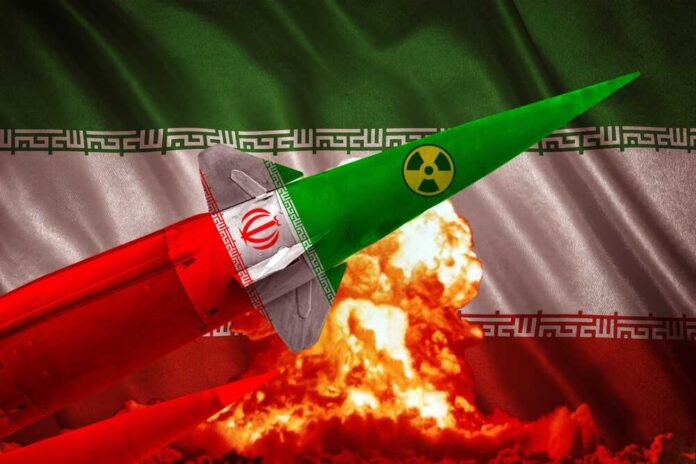
Iran’s latest push to rearm its militia allies is a ticking time bomb for Middle Eastern stability and a stark reminder of the dangers of unchecked aggression.
At a Glance
- Iran is actively rearming its militia allies in Yemen, Lebanon, and Syria.
- Intercepted shipments include advanced missiles and drone technology.
- This escalation increases regional instability and complicates diplomatic efforts.
- Renewed weapon flows pose a direct threat to US and Israeli interests.
Tehran’s Dangerous Game
Iran’s strategy of supporting non-state militias has long been a cornerstone of its regional influence, dating back to the 1980s. The Islamic Revolutionary Guard Corps (IRGC) Quds Force has built alliances with groups like Hezbollah in Lebanon, various Iraqi militias, and the Houthis in Yemen. This network, dubbed the “Axis of Resistance,” is central to Iran’s deterrence strategy. But recent developments suggest Tehran is doubling down on this approach despite facing military setbacks. In recent months, Iran has ramped up its efforts, sending sophisticated weaponry to its allies, and it’s causing considerable alarm among Western powers.
🚨 Iran rushing to rearm Mideast terror proxies after IDF, US strikes on Tehran – As part of Iran's attempt to regain its power in the Middle East, Iran is now smuggling weapons to Hezbollah in small vehicles through Syria, after previously using trucks for smuggling pic.twitter.com/tMZPWDYon0
— Raylan Givens (@JewishWarrior13) July 18, 2025
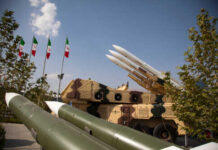
The expiration of “snapback” sanctions under the JCPOA this October marks a critical juncture. While Western powers have threatened to reimpose sanctions, Iran has promised a “firm and proportionate response.” This defiance is evident in the relentless flow of advanced weaponry to its proxies, with multiple high-value shipments intercepted en route to the Houthis and Hezbollah. Seized cargoes include cruise missiles, anti-ship and anti-aircraft missiles, warheads, targeting components, and drone engines. Such developments are a clear indication that Iran is not backing down, and its allies are being armed to the teeth for potential confrontations.
Watch: Israel Bombs Syria
Weapons Seizures and Regional Reactions
Recent interceptions of Iranian arms shipments have been significant. The Yemeni National Resistance Force announced its largest-ever seizure of Iranian weapons—750 tons of advanced arms—destined for the Houthis. Similarly, the Lebanese Army has seized shipments of Russian antitank missiles favored by Hezbollah, brought in from Syria. These seizures highlight the ongoing arms race and proxy warfare that undermines ceasefires and diplomatic efforts in the region. The Iranian-supplied missiles, specifically the Ghaem-118 and 358 loitering surface-to-air missiles, have proven capable of targeting US MQ-9 Reaper drones, further escalating tensions.
Iran’s rearmament efforts are not going unnoticed. The United States and Israel have been conducting strikes on Iranian assets, seeking to disrupt these arms flows. The renewed weapon flows, however, increase the risk of intensified conflict in Yemen, Lebanon, and potentially Israel, as proxies are re-equipped with advanced weaponry. This cycle of escalation and retaliation threatens to spiral out of control, posing a serious risk to regional stability.
Implications for the Future
The implications of Iran’s actions are far-reaching. In the short term, the escalated arms flows increase the risk of conflict, while in the long term, they could solidify Iran’s influence, making future disarmament or integration of militias more difficult. Iran’s actions complicate nuclear diplomacy, as arms flows and regional tensions hinder negotiations over its nuclear program and the potential reimposition of sanctions. The humanitarian impact is severe, with civilians in Yemen, Lebanon, Iraq, and Syria facing increased violence, displacement, and economic disruption. Regional governments struggle to maintain stability amid proxy conflicts, and the security of international shipping routes in the Red Sea and Arabian Peninsula is under threat from Houthi missile and drone attacks.