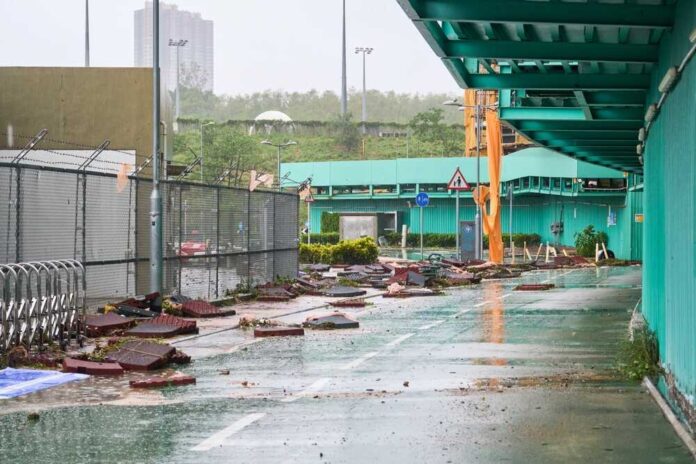
The Philippines braces for yet another blow as Super Typhoon Fung-wong threatens to deepen the devastation from a deadly storm that claimed over 200 lives just days before.
Story Highlights
- Super Typhoon Fung-wong makes landfall, intensifying the crisis in the Philippines.
- Over one million people have been evacuated from the country’s most populous island, Luzon.
- The back-to-back storms highlight the vulnerability of disaster-prone regions amid global climate discussions.
Philippines Faces Double Typhoon Threat
The Philippines, a nation frequently battered by typhoons due to its location in the Pacific typhoon belt, is currently grappling with one of the most severe weather patterns seen in years. Super Typhoon Fung-wong, with winds exceeding 185 km/h, made landfall on November 9, 2025, exacerbating the existing damage caused by Typhoon Kalmegi earlier in the month. Over a million people have been forced to evacuate from Luzon, the country’s most populous island, as authorities undertake emergency response measures.
Super typhoon threatens the Philippines, still reeling from recent storm that killed more than 200 https://t.co/NampKNComa
— CTV News (@CTVNews) November 9, 2025
This back-to-back typhoon occurrence is reminiscent of past typhoon seasons, such as in 1995 with Typhoon Zack and Super Typhoon Angela. The recent storms have prompted discussions at the UN climate summit regarding the rising frequency and severity of typhoons, possibly linked to climate change. With emergency shelters at full capacity, relief efforts are underway but are hindered by damaged infrastructure and ongoing weather conditions.
Watch; Super Typhoon Fung-Wong Hits Philippines: Over 1 Lakh Evacuated As Storm Threatens Floods | 4K
Impact on Communities and Economy
The immediate impact of these storms includes the displacement of over a million people and significant damage to homes and infrastructure. The long-term effects are expected to strain the local economies, particularly in agriculture and fishing, which are mainstays for many residents. The government faces mounting pressure to augment disaster preparedness and response capabilities, as the frequency of such destructive weather phenomena appears to be increasing.
Socially, communities are experiencing significant strain due to displacement, trauma, and loss of livelihoods. The political landscape is also impacted, with increased calls for improved disaster management policies and international support to enhance resilience against future climate-related disasters.
Expert Insights and Future Considerations
Experts like Meteorologist Mike Padua point out that while such typhoons are not unusual for the season, the intensity and frequency appear to be on the rise, likely fueled by warmer ocean waters. Climate scientists emphasize the urgent need for adaptation and resilience measures in countries like the Philippines, which are on the frontline of climate impacts.
As the situation unfolds, international aid organizations are mobilizing to provide humanitarian assistance. The broader implications underscore the necessity for global climate action and support for vulnerable regions. The events in the Philippines serve as a stark reminder of the real-world impacts of climate change that are increasingly difficult to ignore.
Sources:
https://www.bbc.com/news/articles/cq509yj82y8o