
A pregnant mother says her rescue dog bit off part of her lip in a sudden attack just weeks before her due date.
Story Snapshot
- A 34-weeks-pregnant woman says her dog bit off part of her lip on October 4.
- The bite reportedly happened in an instant, with no clear warning signs.
- Doctors deferred major reconstruction until after childbirth due to anesthesia risks.
- Medical literature shows severe lip avulsions from dog bites in pregnancy are possible.
What The Family Says Happened In Their Home
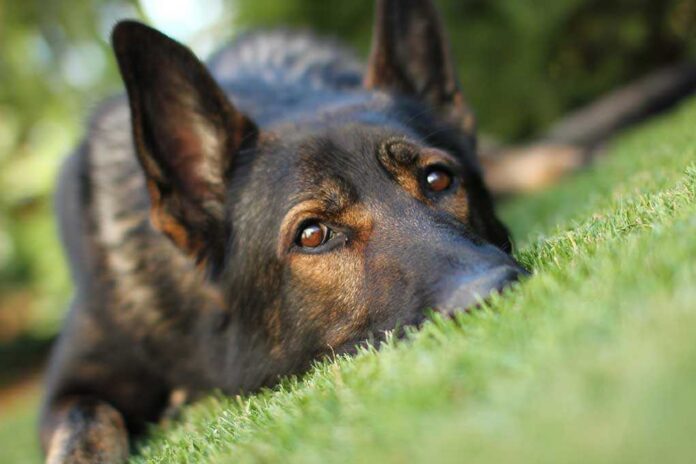
The Mirror reported that Sara Wood, who was 34 weeks pregnant, was due November 9 when her three-year-old Staffordshire bull terrier, Blue, lunged and bit her face on October 4. Wood said the strike was fast and without warning. She described no bark, no growl, and no tussle. She said it was a single bite, and then half her lip was missing. The report said the bite severed a vein, caused heavy bleeding, and left no tissue that doctors could reattach.
The Mirror account said doctors chose not to close the wound at that time because there was no viable lip tissue to sew back, and major reconstruction would require general anesthesia. Because she was close to delivery, surgeons deferred that step until after the baby’s birth, to protect both mom and child. The report said eating and drinking were hard in the first days. Wood used a syringe to take in fluids for about ten days after the attack.
How Doctors Handle Severe Lip Bites During Pregnancy
Peer-reviewed medical reports confirm that a domestic dog can cause a severe lip avulsion in a pregnant woman. One case study describes a 25-year-old pregnant patient with a 4.5-centimeter upper-lip avulsion from a household dog. In that case, surgeons replanted the amputated lip tissue, showing that advanced repair is possible under careful planning during pregnancy. That report does not confirm the facts of Wood’s case, but it shows the type of injury and treatment are medically plausible during pregnancy.
Doctors weigh two goals with these injuries. They aim to stop bleeding and prevent infection. They also aim to protect the baby by limiting anesthesia and long surgeries late in pregnancy. When missing tissue cannot be reattached, teams often plan staged reconstruction. That plan can include local flaps or grafts after delivery. The medical literature shows that timing and technique depend on the size of loss, blood supply, contamination risk, and the mother’s gestational stage.
Liability Landscape And Public Safety Questions
Dog-bite law varies by state. Some states apply strict liability for bites, meaning the owner pays for injuries even without past warning signs. Florida courts, for example, have long recognized a statute that removes the need to prove prior viciousness to hold owners responsible for damages from a bite. Other states use versions of the “one-bite” rule, which can require proof the owner knew, or should have known, the dog had dangerous tendencies before the attack.
Cases turn on facts like prior behavior, warnings to visitors, and where the bite occurred. New York courts, for example, hold owners strictly liable once the owner’s knowledge of vicious tendencies is established, even without proof of a past bite, if there are signs such as threatening behavior. These legal rules aim to protect families and hold owners to a duty of control. They also encourage clear reporting of prior incidents, training, and safe handling to prevent tragic harm.
Why This Matters To Families And Community Safety
Families welcome dogs into their homes for love and protection. But one bite can change a life. Expectant mothers and parents of young children face special risks because surgical choices can affect two patients at once. Responsible ownership means honest screening of a dog’s history, steady training, and careful separation during feeding, play, or stress. It also means knowing your state’s rules, posting clear warnings when needed, and seeking help early if a dog shows troubling behavior.
What To Watch Next
This case centers on a single family’s report, shared with a newspaper. The details raise standard questions after any serious bite: medical course, vaccination status, animal-control steps, and plans for reconstruction. The broader lesson stands regardless: prevention is the best protection. Households should review safety steps now, talk with their vet, and speak with local animal-control or trainers when concerns arise. Quick action can stop the next injury before it happens.
Sources:
mirror.co.uk, ncbi.nlm.nih.gov, journals.lww.com, supreme.justia.com