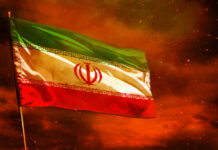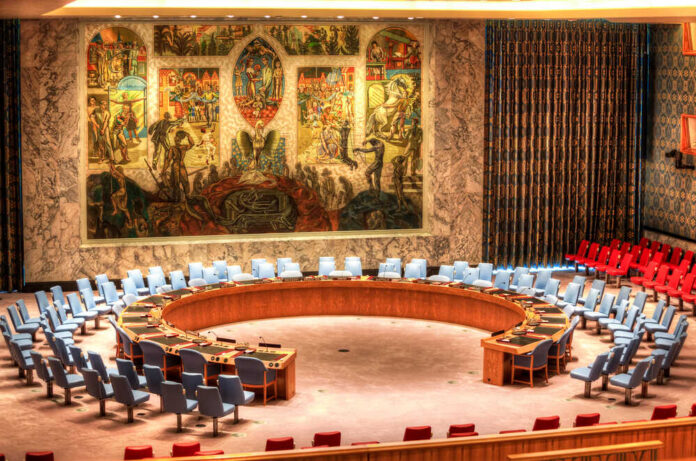
Iran faces automatic reimposition of crushing economic sanctions after the UN Security Council decisively rejected lifting restrictions.
Story Highlights
- UN Security Council voted 4-9 against permanently lifting Iran sanctions on September 19, 2025
- Sweeping economic sanctions automatically reimposed by September 28 deadline
- Iran threatens withdrawal from Nuclear Non-Proliferation Treaty in retaliation
- Vote exposes deep divisions between Western powers and Russia-China bloc
Security Council Rejects Iran Sanctions Relief
The UN Security Council delivered a crushing blow to Iran’s economic hopes on September 19, 2025, voting 4-9 against a resolution to permanently lift sanctions. This decisive rejection triggers the automatic reimposition of comprehensive economic restrictions by September 28, marking a critical escalation in the nuclear standoff. The vote represents the first successful invocation of the “snapback” mechanism since the 2015 nuclear deal’s collapse, demonstrating renewed Western resolve to contain Iran’s nuclear ambitions.
Watch: UN security council vote: Sanctions set to be reimposed on Iran on Saturday
European Powers Trigger Snapback Process
Britain, France, and Germany initiated the snapback mechanism in late August 2025, accusing Iran of systematic violations of the Joint Comprehensive Plan of Action (JCPOA). The European trio sent formal letters to the UN documenting Iran’s breach of uranium enrichment limits and cooperation restrictions. This 30-day process culminated in the Security Council vote, with the E3 claiming “unambiguous legal grounds” for reimposing sanctions. Iran immediately denounced the action as politically motivated, accusing the Europeans of misusing diplomatic mechanisms to advance Western interests.
UN security council vote: Sanctions set to be reimposed on Iran on Saturday https://t.co/bZC49MYySU via @YouTube
— hellosnoopy (@hellosnoopy8) September 27, 2025
Nuclear Crisis Deepens Amid Regional Tensions
The sanctions reimposition occurs against a backdrop of escalating Middle East tensions, including a devastating 12-day war between Iran and Israel in June 2025. Iran has suspended cooperation with International Atomic Energy Agency inspectors, who recently left the country entirely. President Masoud Pezeshkian’s government threatens withdrawal from the Nuclear Non-Proliferation Treaty if sanctions proceed, potentially eliminating the last legal framework constraining Iran’s nuclear program. This nuclear brinksmanship raises serious concerns about proliferation risks across the volatile region.
Economic Warfare Returns to Target Iran
The reimposed sanctions will devastate Iran’s already struggling economy, cutting off crucial oil revenues, international banking access, and foreign investment. Iranian citizens face renewed economic hardship reminiscent of pre-2015 conditions, with potential impacts on global energy markets. The automatic nature of the snapback mechanism means sanctions take effect without additional votes or deliberation. Russia and China strongly opposed the measure, highlighting dangerous fractures within the Security Council that Iran may exploit to circumvent restrictions through alternative economic partnerships.
This diplomatic breakdown represents a significant victory for Western security priorities over the failed Obama-era nuclear diplomacy. The Trump administration’s 2018 withdrawal from the JCPOA, once criticized by European allies, now appears vindicated as Iran’s nuclear violations justify renewed pressure. The automatic sanctions mechanism demonstrates the strength of constitutional frameworks that prioritize American security interests over diplomatic appeasement, sending a clear message that nuclear proliferation will face serious economic consequences.
Sources:
UN Security Council Vote Puts Iran Sanctions Back In Play
UN Security Council Vote Iran Nuclear Sanctions
UN Security Council Latest News
UN Security Council Fails to Extend Iran Sanctions Relief