When groundbreaking technology stirs public outrage and misinformation links innovation with disaster, a CEO’s very life hangs in a precarious balance—amidst death threats, dissent, and dire flooding.
At a Glance
- Augustus Doricko, CEO of Rainmaker Technology, denies involvement in Texas floods.
- Cloud seeding technology faces scrutiny and conspiracy theories.
- Meteorologists attribute the floods to natural causes, not human interference.
- Public safety and ethical concerns arise regarding weather modification.
- Death threats and misinformation escalate tension and fear.
Weather Modification and Public Outcry
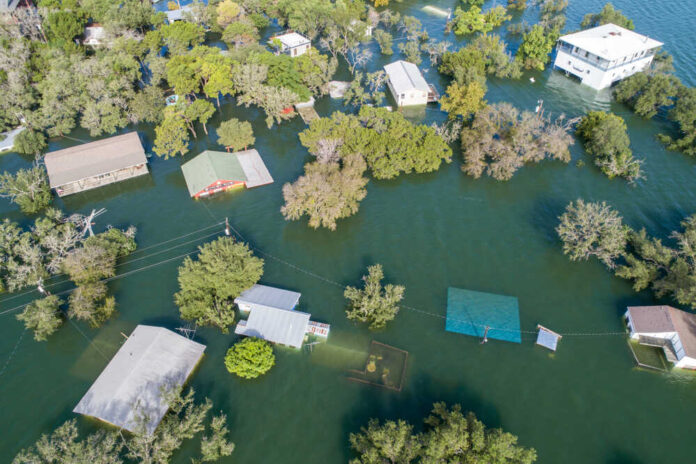
The recent catastrophic floods in Texas have sparked an intense public outcry, targeting Augustus Doricko, CEO of Rainmaker Technology. Despite dismissing connections to cloud seeding and the disaster, Doricko grapples with backlash and accusations that his company’s weather modification efforts are to blame. Death threats against Doricko, driven by misinformation and fear, illuminate the broader controversy surrounding the ethical limits of manipulating weather. Yet, scientific consensus insists cloud seeding had no impact on the flooding.
Watch a report: Cloud SEEDING BLAMED For Texas Floods, Company CEO SPEAKS Out
Cloud seeding, a method aimed at enhancing rainfall, not creating it, falls under heavy scrutiny due to unfounded claims of exacerbating floods. “Cloud seeding cannot create a storm of this magnitude,” remarked Travis Herzog, shedding light on the misconception that these technologies caused the flood. Allegations fly in the face of factual evidence, indicating a chasm between scientific understanding and public perception.
Science vs. Speculation
Meteorologists like James Spann underscore natural weather dynamics as the root cause of Texas’s plight. Spann reassured the public: “Cloud seeding did not cause last week’s Texas floods”. The destructive floods emerged from a stalled weather system and high atmospheric moisture content, not from human experimentation gone awry. Yet, voices in the political sphere, including figures like Marjorie Taylor Greene and Mike Flynn, have latched onto conspiracy theories, sparking a wider debate.
“Cloud seeding did not cause last week’s Texas floods.” – James Spann
The blatant dismissal of scientific evidence in favor of sensationalist narratives presents a profound challenge. Experts reiterate that weather modification accounts for marginal increases in rainfall from existing clouds—significantly less than the deluge seen in Texas—alleging that such charges against cloud seeding are baselessly dangerous.
@amuse on X: “Cloud Seeding and the Kerr County Floods: What the Science Shows” / X
— @amuse (@amuse) July 8, 2025
Navigating Controversy and Consequences
The controversy surrounding Rainmaker Technology highlights the role of ethics and responsibility within technological innovation. As conspiracy theories spread, Doricko stands firm, ensuring transparency and cooperation with investigators. “The flooding, unequivocally, had nothing to do with Rainmaker’s activities,” Doricko asserts, defending his company’s position amidst escalating tension. Yet the question remains—how does one rebuild public trust when entrenched fears obscure reason?
“The flooding, unequivocally, had nothing to do with Rainmaker’s activities or any weather modification activities” – Augustus Doricko.
This incident underscores the urgent need for clearer communication and understanding of technologies like cloud seeding. Public education must evolve, clarifying misconceptions and acknowledging environmental implications, mitigating the possibility of future tragedies born from fear and scapegoating. Meanwhile, the devastation in Texas reminds us of the immense power of nature—beyond the grasp of any human interference or fabricated narrative.