A Buffalo cartoonist’s jab at Trump supporters in Texas floodwaters didn’t just trigger outrage—it shut down a major public event and set off a firestorm about free speech, media bias, and the boundaries of decency in post-Biden America.
At a Glance
- A Buffalo News cartoon mocking a MAGA-hat-wearing flood victim sparked national backlash and threats.
- The Buffalo Newspaper Guild canceled a public event honoring cartoonist Adam Zyglis over safety concerns.
- Critics claim the cartoon politicized tragedy and disrespected disaster victims; others defend free speech rights.
- The episode highlights deepening divides over media bias, conservative values, and public civility.
Cartoon Crosses the Line, Event Canceled Amid Threats
On July 7, 2025, The Buffalo News published a cartoon by Adam Zyglis featuring a man in a MAGA hat swept away by Texas floodwaters, clutching a “HELP” sign and declaring, “Gov’t is the problem not the solution.”
DISGRACE: @TheBuffaloNews runs a VILE cartoon by artist Adam Zyglis, appearing to mock Texas families affected by the floods because they voted for Trump pic.twitter.com/PJkodyXFsI
— Libs of TikTok (@libsoftiktok) July 9, 2025
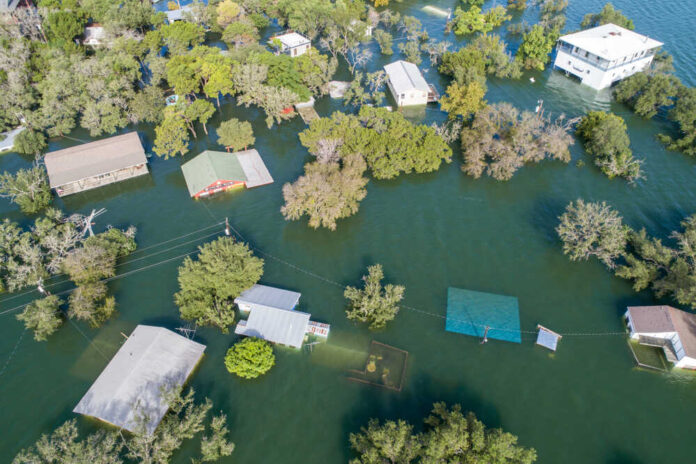
The timing—just days after historic floods in Southern Texas left over 80 dead—wasn’t just tone-deaf; it was gasoline on an already raging fire of political tension. For millions of Americans who watched helpless families lose everything, the cartoon felt like a slap in the face: yet another example of left-wing media elites using tragedy to dunk on anyone who dares value limited government or conservative ideals.
The viral backlash was immediate. Conservative media, local voices, and social platforms erupted—accusing Zyglis and The Buffalo News of mocking the suffering of real Americans, not just lampooning a political stance. The response wasn’t just angry letters to the editor; it escalated, shockingly, into threats of violence and even death threats targeting Zyglis and his family. The Buffalo Newspaper Guild, which had planned to honor Zyglis with a public event at the Buffalo History Museum, made the decision to cancel the gathering outright, citing the severity of the threats and the safety of all involved.
Watch a report: Buffalo Guild Cancels Event
Freedom of Speech or License to Insult?
The cancellation of the “Ink & Insights: 20 Years of Adam Zyglis Cartoons” event wasn’t just about one cartoonist’s safety—it was a flashpoint for a larger debate about the media’s role in an age of bitter division. The Guild and the History Museum issued statements condemning the threats, framing the ordeal as an attack on the free press. Zyglis himself doubled down on his right to provoke, insisting on Instagram that “threats of violence are never an acceptable response to disagreement” and that satire is vital in a democracy.
But let’s not lose the plot: The First Amendment doesn’t give anyone a free pass to ridicule disaster victims—especially when the ink is barely dry on stories of devastated families and lost lives. Conservatives, including Erie County Republican Committee Chair Michael Kracker, slammed the cartoon as a tasteless political cheap shot, though he rightly condemned any threats made in response. Mainstream media and liberal politicians, meanwhile, seemed more interested in defending the cartoonist’s right to offend than grappling with why so many Americans feel targeted and belittled by the press.
A Symptom of Deeper Divides—And a Warning Sign
What happened in Buffalo wasn’t just another “culture war” skirmish—it was a stark reminder of the raw nerves exposed by years of media bias, political grandstanding, and the casual dismissal of conservative values. This is the climate left behind by the Biden years: media institutions so emboldened in their activism, they see no issue with mocking the suffering of ideological opponents, then hiding behind the First Amendment when called out.
The fallout goes beyond one canceled event. There’s a chilling effect on public gatherings and open debate, with journalists and public figures now facing real security risks for expressing unpopular opinions—or, in this case, showing contempt for the “wrong” kind of American. The spiral is all too familiar: outrage fuels threats, threats silence events, and in the end, it’s the American people who lose another venue for honest, if difficult, conversation.