The World Health Organization says tens of thousands in Gaza now live with life-changing injuries that will shape daily life for years.
Story Snapshot
- World Health Organization estimates put life-changing injuries in Gaza in the tens of thousands.
- Rehabilitation capacity is shattered, with less than one-third of pre-war rehab services operating.
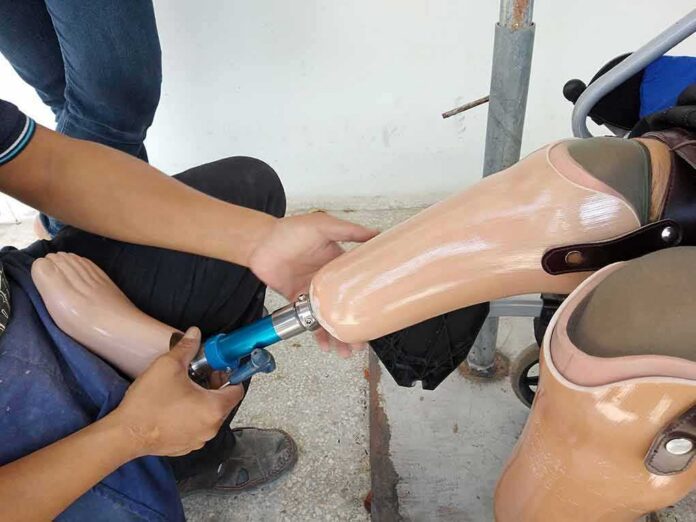
- Severe limb trauma and amputations drive long-term disability and need for prosthetics.
- Total injuries since October 2023 top 170,000, magnifying demand for care.
WHO Counts a Lasting Wave of Disability
World Health Organization reporting describes a large and lasting disability crisis in Gaza. The agency says nearly 42,000 people have life-changing injuries, including amputations and serious head or spinal injuries, with many of them children. Earlier estimates found at least one quarter of the injured would need ongoing rehabilitation, and that share held as injuries grew. These are not quick-heal wounds. They affect how people move, work, and care for family, often for life.
The pattern centers on severe limb trauma. World Health Organization analysis highlights thousands of major limb injuries, which often lead to complex surgeries, limb loss, and years of therapy. That load demands strong rehabilitation, steady supplies, and trained teams. Without those pieces, more patients lose function they might have kept. The agency’s technical notes show this is the core driver of long-term needs across the Strip, and it keeps growing as the conflict grinds on.
Health System Breakdown Blocks Recovery
World Health Organization field updates say the health system cannot meet the surge. Only a fraction of pre-conflict rehabilitation services still operate, and no rehabilitation facility is fully functional. Hospitals that do run focus on acute trauma. That means patients get discharged early and miss therapy that protects movement and prevents pain and contractures. When follow-up fails, a temporary loss of function can harden into permanent disability. That is the harsh math of a broken system.
The injury totals add to the pressure. United Nations reporting on the World Health Organization response cites more than 171,000 people injured between October 2023 and the end of 2025. Each new case pulls staff, beds, and supplies from long-term care to emergency rooms. That backlog delays fittings for prosthetics, wound care, and basic mobility support. In any country, such numbers would strain capacity. In Gaza, where clinics and supply lines are damaged or closed, the strain becomes a wall.
Rehabilitation Needs Measured in Years, Not Weeks
World Health Organization estimates from 2026 quantify extended rehabilitation demand in the tens of thousands. The agency projects that between roughly fifty thousand and fifty-six thousand injured people will need extended therapy to restore function and independence. That includes months of guided exercises, repeat surgeries, and specialized equipment. It also takes stable electricity, safe transport, and trained therapists. When any part is missing, progress stalls. Families then shoulder care that belongs in clinics.
This burden is not abstract. The World Health Organization lists over two thousand spinal cord injuries and more than a thousand brain injuries, plus thousands of major burns, on top of widespread limb trauma. These injuries change daily routines. Parents need help lifting children. Workers cannot stand for long shifts. Students need ramps, crutches, and calm rooms to manage pain and noise. These basic needs are common sense. They also require budgets, steady logistics, and a plan that lasts beyond headlines.
Why This Matters for Americans and U.S. Policy
American taxpayers care where aid goes and what results it buys. Clear goals and tracking matter. The World Health Organization data points to a narrow, practical lane: support that restores mobility and independence for civilians, with strict oversight and delivery tied to measurable outcomes like fitted prosthetics, therapy hours, and clinic uptime. That matches conservative priorities: targeted aid, accountability, and real results. It avoids waste, mission creep, and blank checks that feed bureaucracy instead of patients.
Palestinian child Mohammed Shaaban lost both his feet and one hand in an Israeli attack during Israel’s genocidal war on Gaza.
Despite these life-changing injuries, he continues attending school, practicing sports, and taking part in daily activities at his displacement camp in… pic.twitter.com/H04txLB0Uk
— The Times of Palestine (@PalTimesNews) October 5, 2026
Congress and the administration can demand transparent reporting from any partner: how many patients treated, devices delivered, and therapy completed. They can set red lines against diversion and tie funds to verified clinic performance. They can also back American and allied groups that specialize in prosthetics and rehabilitation. Helping civilians walk, work, and care for family is not politics. It is basic decency backed by clear metrics. In a hard world, that is the kind of aid that earns trust at home.
Sources:
youtube.com, emro.who.int, english.aawsat.com